

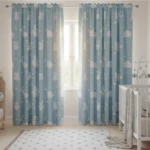
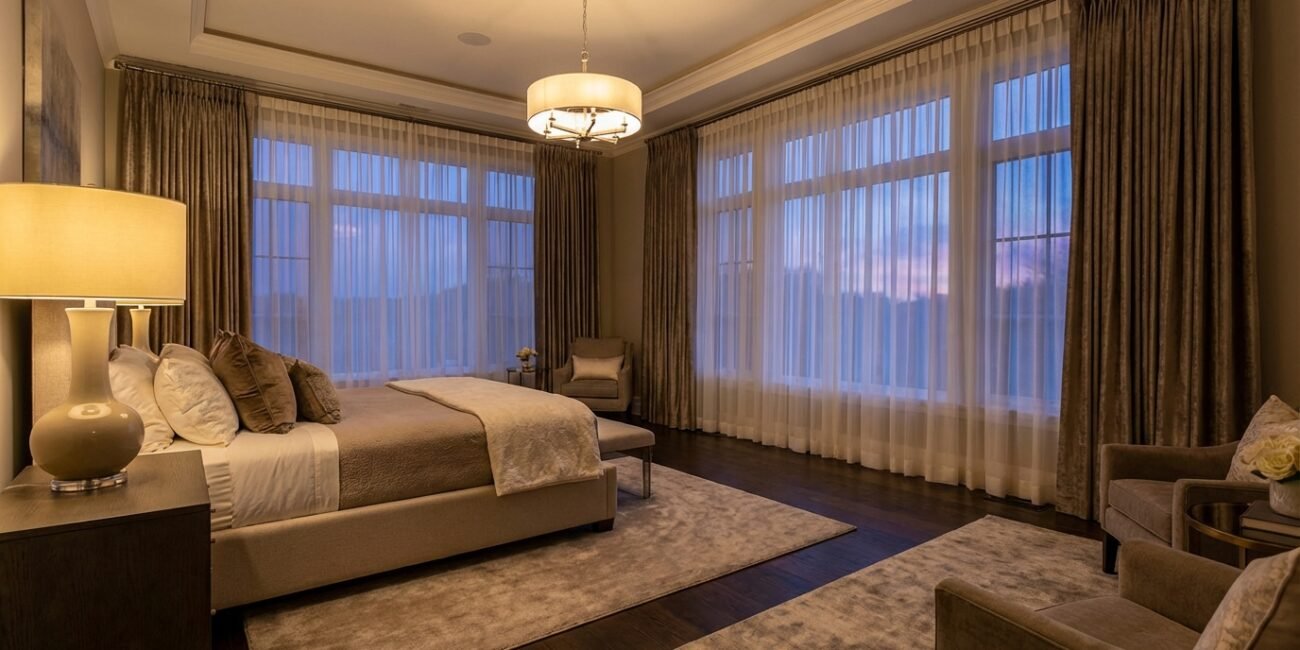
Sleep quality is intrinsically linked to your bedroom environment, and window treatments are the primary defense against sleep-disrupting light and noise. Beyond aesthetics, the right coverings regulate temperature and ensure privacy in your most personal space. Selecting the correct treatment requires balancing three core pillars: light opacity, insulation value, and architectural fit. This guide breaks down the technical and aesthetic considerations necessary to curate a bedroom that functions as a true sanctuary.
Assessing Light Control Requirements

Circadian rhythms depend heavily on exposure to light. For light-sensitive sleepers or those working night shifts, managing light ingress is the highest priority. Standard curtains often allow light leakage through the weave and around the edges. Blackout linings are essential for total darkness, utilizing tightly woven fabric layers or foam backing to completely block external photons.
Understanding Opacity Levels
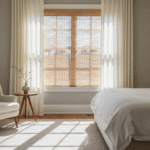
Not every bedroom requires total darkness. Light-filtering options, such as semi-opaque roller shades or unlined linen drapery, soften harsh morning sun while maintaining a connection to the outdoors. Assess the direction your windows face; east-facing windows require heavier filtration to prevent early morning wake-ups, while north-facing rooms may benefit from sheerer fabrics that maximize ambient daylight without glare.
Pro Tip: For maximum darkness, combine an inside-mount blackout shade with outside-mount drapery to eliminate the ‘halo effect’ of light bleeding through the gaps.
Prioritizing Privacy And Insulation

Windows are significant sources of heat transfer, leading to energy loss in winter and heat gain in summer. Cellular (honeycomb) shades are the industry standard for thermal efficiency. Their geometric construction traps air in pockets, creating a barrier between the glass and the room. This structure also offers moderate sound absorption, dampening street noise.
Balancing View and Seclusion
Privacy does not require sacrificing natural light. Top-down bottom-up shades allow the upper portion of the window to remain open for sunlight while the lower portion covers the line of sight from the street. Layering is another effective strategy; install a privacy sheer for daytime use and a heavier drape for evening seclusion. This dual approach provides flexibility throughout the day.
Pro Tip: Check the ‘R-value’ of window treatments if energy efficiency is a priority; double-cell cellular shades generally offer the highest insulation rating.
Selecting The Right Mounting Hardware
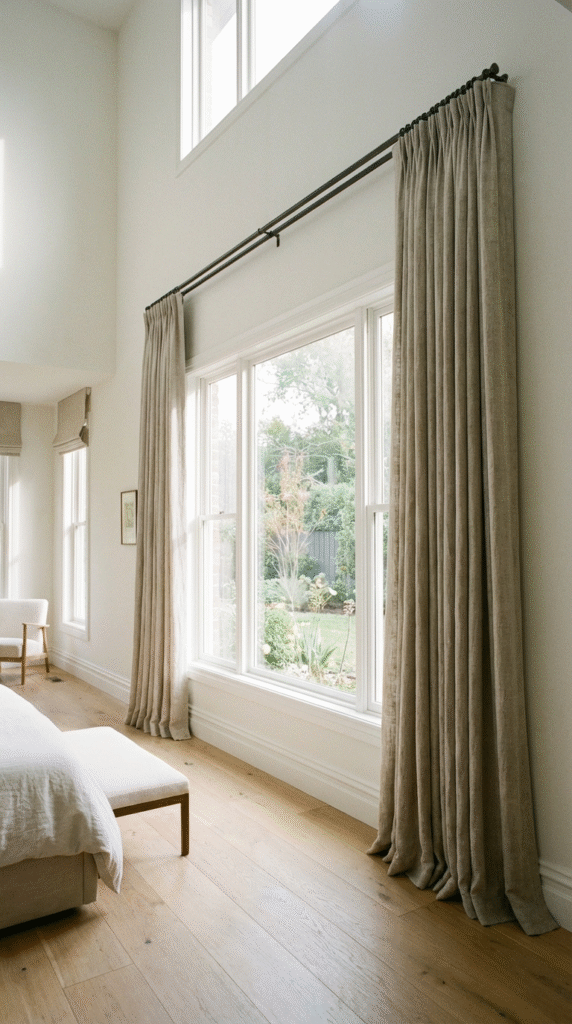
The visual impact of window treatments is dictated by how and where they are mounted. A common mistake is mounting drapery rods directly on the window frame, which can make windows appear smaller and ceilings lower. High and wide placement transforms the spatial perception of the room. Mount rods 4-6 inches above the frame (or closer to the ceiling molding) and extend them 3-6 inches past the sides.
Inside vs. Outside Mounts
Inside mounts sit within the window frame, offering a clean, minimalist look ideal for shades and blinds in modern interiors. This requires precise measurement and sufficient window depth. Outside mounts cover the trim and frame, which is preferable for blackout capabilities and hiding unsightly molding. When layering, an inside-mount shade paired with an outside-mount drape offers the best of both functional worlds.
Pro Tip: Use a return rod (or French rod) for drapery; these curve back to the wall, closing the side gap to prevent light leaks and enhance privacy.
Comparison of Treatment Types
Choosing the specific mechanism involves analyzing maintenance needs and design preferences. Below is a breakdown of performance characteristics across major categories.
| Treatment Type | Light Control | Insulation | Privacy Style |
|---|---|---|---|
| Cellular Shades | High (if blackout) | Excellent | Modern/Clean |
| Heavy Drapery | Variable to Total | Good | Classic/Soft |
| Wood Blinds | Moderate (Slatted) | Low | Warm/Textured |
| Roman Shades | Moderate to High | Moderate | Tailored/Flat |
Material Considerations
Wood and faux wood blinds offer tilt control, allowing you to direct light without lifting the treatment, but they offer poor insulation. Drapery adds softness and sound dampening that hard treatments cannot replicate. For bedrooms, avoid aluminum blinds, which can be noisy and offer minimal thermal protection. Fabric selection plays a massive role; velvets and heavy cottons insulate, while linens breathe.
Pro Tip: If choosing Roman shades, opt for a ‘flat fold’ for a contemporary look or a ‘hobbled fold’ if you want to add depth and traditional texture to the room.
Conclusion
The ideal bedroom window treatment is a synthesis of form and physics. By identifying your specific tolerance for light and your need for thermal regulation, you can narrow down the vast market of coverings. Whether you opt for the architectural precision of cellular shades or the romantic softness of layered drapery, prioritize the mechanism that supports your sleep hygiene first, then select the fabric that elevates your design aesthetic.
Other Articles

12 Bedroom Window Treatments (Modern, Cozy & Budget-Friendly)
Curtains vs Blinds — The Real Differences Designers Consider