

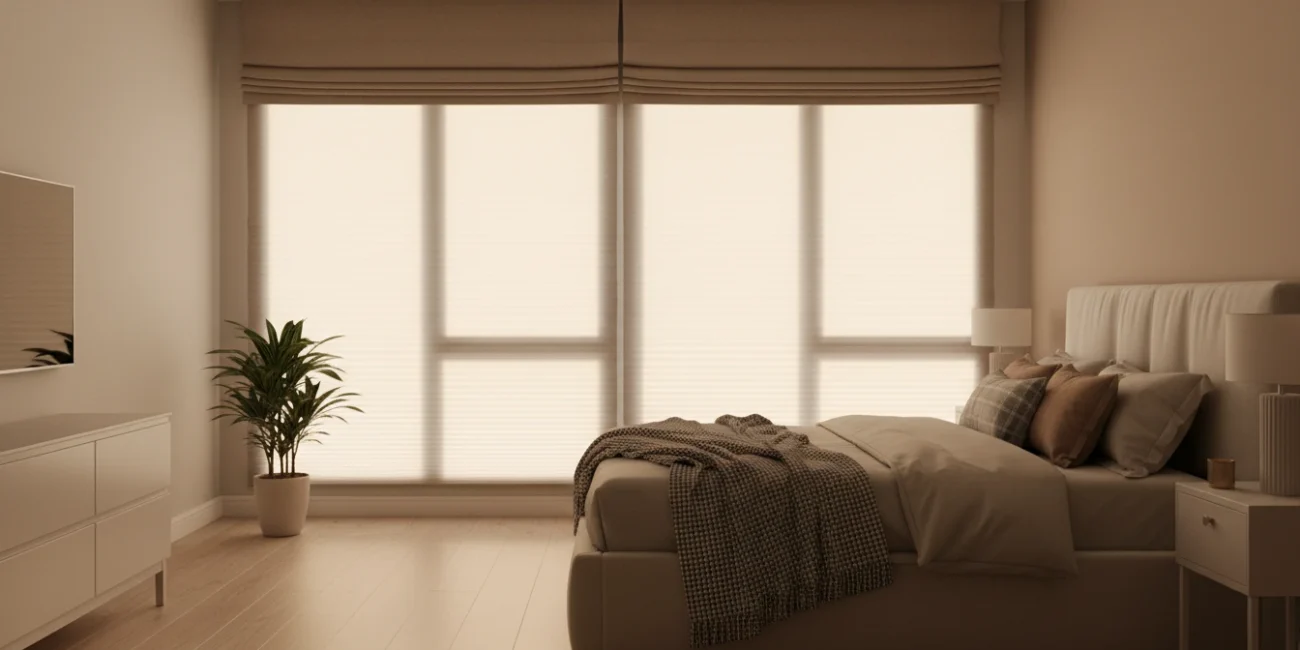
Sunshine streaming in feels magical… until it shines right in your eyes at 6 a.m., glares across your laptop, or lights up your bedroom like a spotlight. If you crave calm, dim, cozy spaces but prefer to skip traditional blackout curtains, you are absolutely not stuck.
Think of this as your bestie guide to blackout windows without curtains — layered textures, smart panels, and renter-friendly hacks that look just as pretty as they are practical.
We will walk through creative ways to soften, dim, or fully block the light while still keeping your space stylish, modern, and Pinterest-ready.
1. Upgrade The Glass: Chic Window Films That Actually Work
Window film is such an underrated hero. It lives right on the glass, so your room can still feel minimal and airy, even when you aim for serious light control.
A. Full Blackout Static Film For Serious Sleep
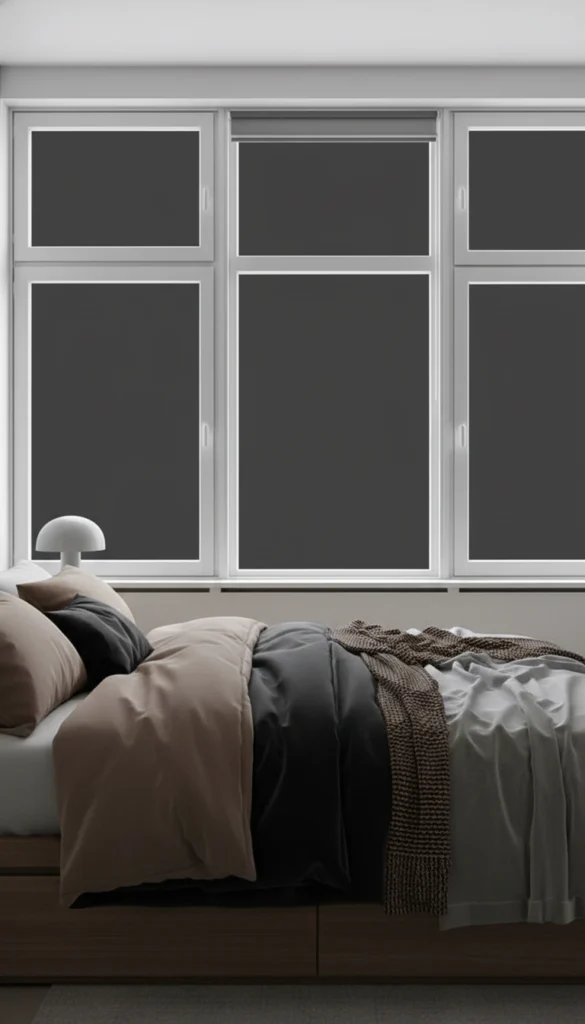
For rooms that need real darkness (night-shift bedrooms, nurseries, TV zones), look at full blackout static-cling film. It sticks to the glass with water, peels off cleanly, and blocks nearly all light.
How to style it so it feels intentional:
- Use film only on the lower portion of tall windows, leaving a slim band of exposed glass at the top for a soft halo of sky light.
- Pair with a cozy room palette: think mushroom taupe walls, a stormy blue-gray duvet, and oat-toned linen pillows. The contrast of darkened windows with soft neutrals feels like a boutique hotel.
- For a loft or studio, use blackout film only on bedroom-side windows, leaving living-area glass frosted or clear for a subtle zoning effect.
B. Layered Frosted & Tinted Film For Gentle Dimming
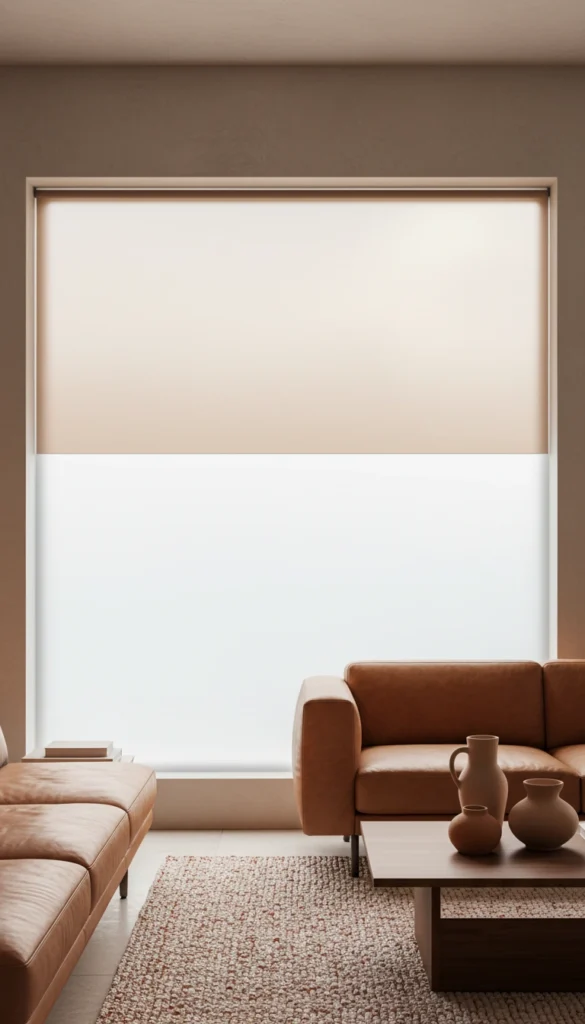
No need to go full cave mode if you just want less glare. Try layering different types of film:
- A frosted base layer for privacy and diffusion.
- A very light bronze or smoke tint over the frosted area for extra dimming and a warm glow.
This combo looks gorgeous next to earthy palettes: clay-rose throw blankets, sandstone pottery, and caramel leather decor accents. Morning light turns velvety and soft instead of harsh and blinding.
C. Faux Stained Glass” For Artistic Shade
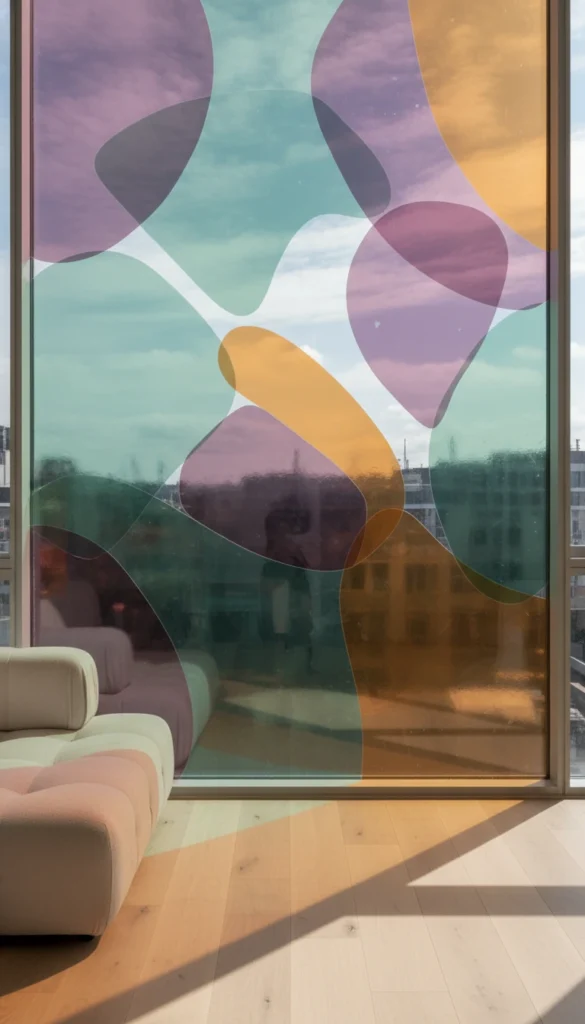
For a more playful Pinterest vibe, use colored adhesive film in irregular shapes to create your own abstract window art.
- Cut organic blobs in tones like eucalyptus green, dusty lilac, and warm amber.
- Overlap a few shapes at the sunniest part of the glass to deepen the shade in that area.
- Keep the borders of the window clear for a light frame.
Light still filters through, but it feels moody and filtered, almost like golden hour all day.
2. Light-Blocking Insert Panels That Pop In And Out
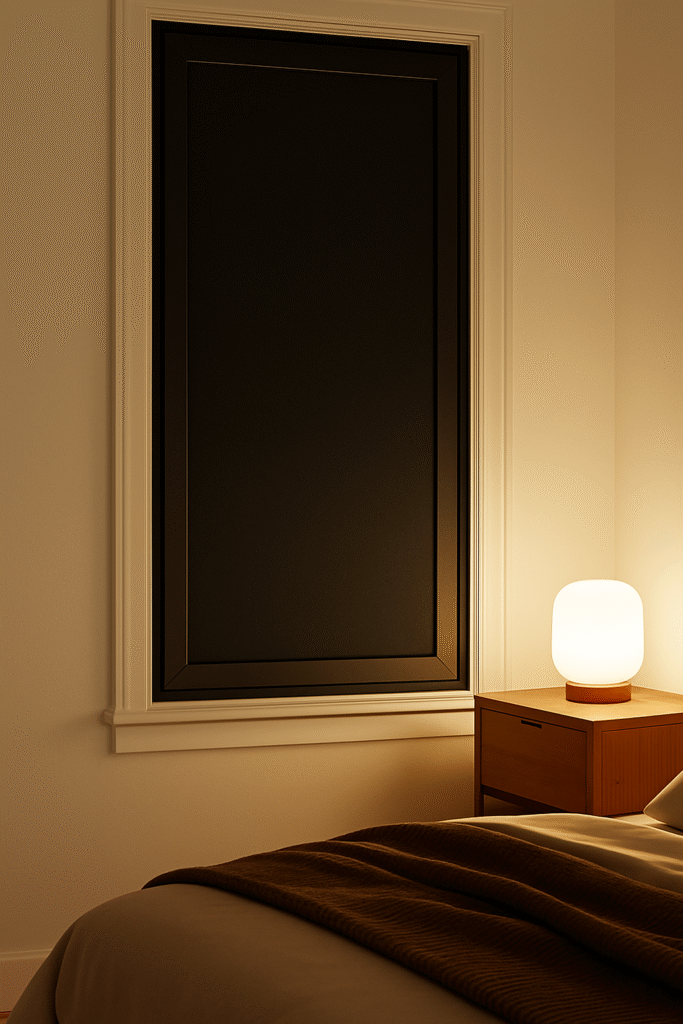
Think of these as “window plugs” that slide right into the frame when you want dark and pull out easily when you crave sunshine. Perfect for renters who prefer no permanent changes.
A. Foam-Core + Fabric Inserts
This is a cozy, custom project for a free afternoon.
You will need:
- Rigid foam insulation board or thick foam-core
- A beautiful, heavier fabric (think matte cocoa, inky green, or deep merlot)
- Spray adhesive or fabric glue
- Optional: stick-on pull tabs or ribbon loops
Steps in simple terms:
- Measure the inside of the window frame precisely.
- Cut the foam board just slightly larger so it fits snugly.
- Wrap it in fabric like a present, securing with adhesive on the back.
- Add small ribbon loops at the top so you can pull it out easily.
Slide this panel into the frame at night for nearly complete darkness. During the day, lift it out and store it behind a dresser or wardrobe. It feels like a secret blackout panel no one knows is there.
B. Magnetic Wood Frames With Light-Blocking Core
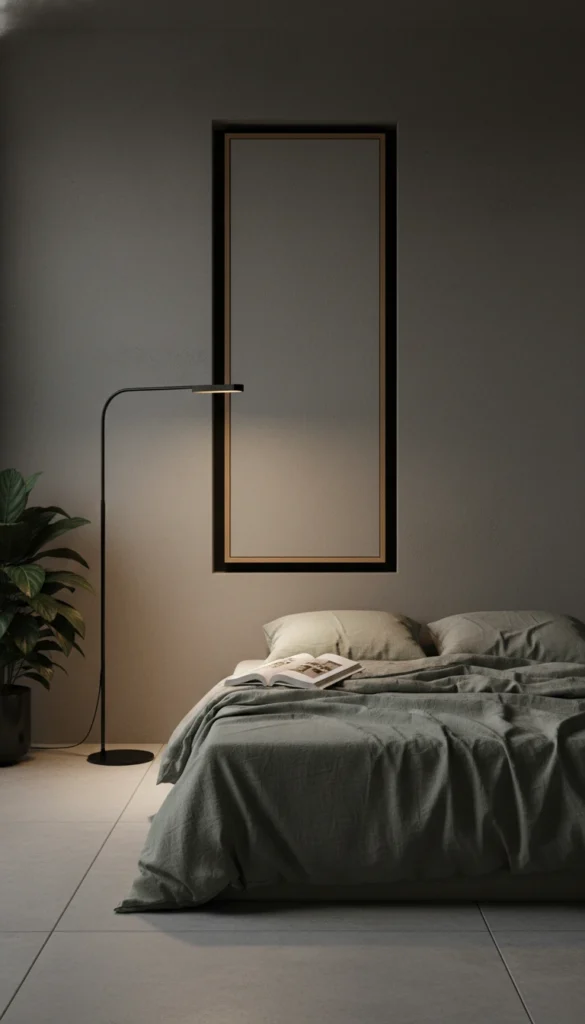
If the window frame is metal (or you add small metal plates), you can create magnetic blackout panels:
- Build a simple wood frame slightly larger than the glass.
- Staple light-blocking fabric or layered felt to the back of the frame.
- Attach small magnets around the edge.
When you press it onto the metal frame, it seals most gaps where light usually sneaks in. Paint the visible side of the frame in a chic shade such as soft stone, charcoal mushroom, or muted eucalyptus to match your decor.
3. Smart Shades & Blinds: No Curtains Needed
You can still get a beautifully dark room with shades and blinds alone, especially when you think in layers and placements.
A. Inside-Mount Roller Shade + Outside-Mount Shade
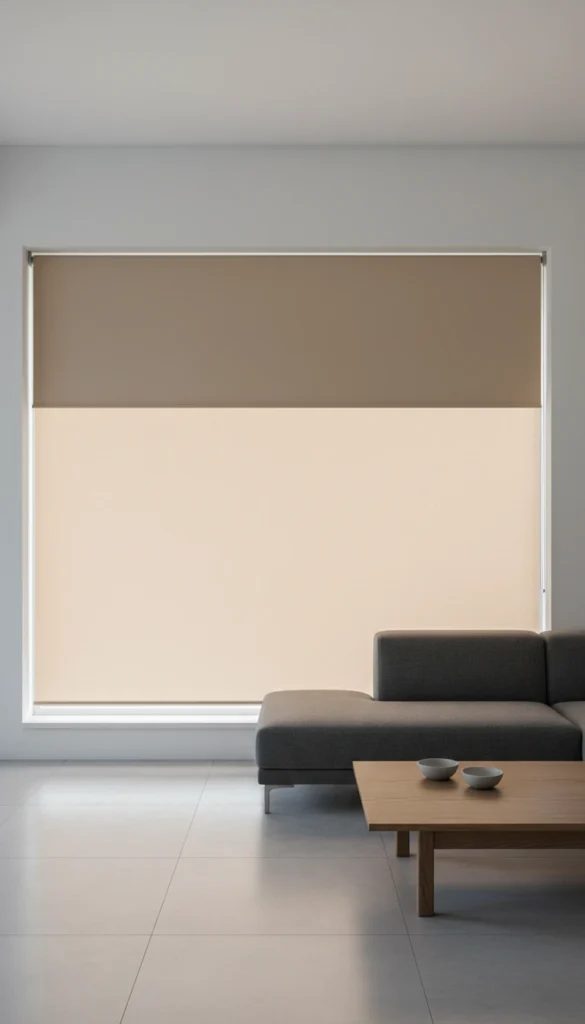
This combo feels very streamlined and works in modern or minimalist spaces.
- Step 1: Install a dense, light-filtering roller shade inside the window frame. Choose a tone that blends into the trim: warm almond, pale mushroom, or soft putty.
- Step 2: Add a second shade above the window that overlaps the frame on all sides. This blocks the light “halo” that usually glows around a single shade.
Pull both down at night for serious dark and a clean, architectural look. During the day, lift the outer shade and leave the inner one halfway down for filtered daylight.
B. Cellular Shades For Insulation + Darkness
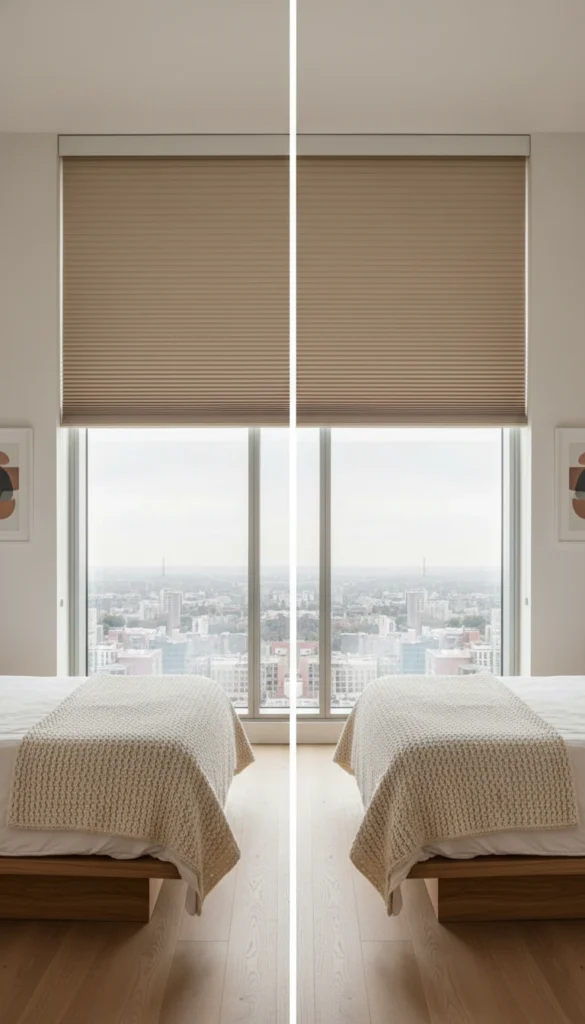
Cellular (honeycomb) shades trap air inside their cells, which helps with both temperature and light. Look for room-darkening versions.
Tips to make them feel styled, not bland:
- Choose colors beyond plain white. Try warm latte, soft clay, or blue-gray that echoes your bedding or rug.
- Mount them so they sit slightly higher than the actual window, then lower them to cover the top edge fully. This reduces light leaks at the top.
- For a cozy reading nook, pair cellular shades with a deep moss green chair, a tiny marble side table, and a sculptural floor lamp for gentle ambient light at night.
C. Layered Blinds + Film Combo
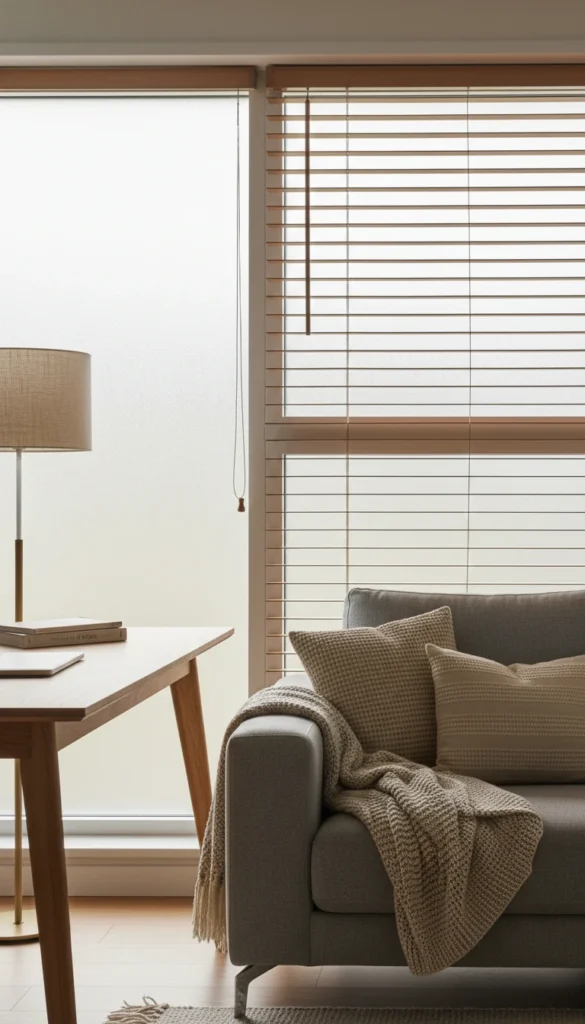
For big light-flooded windows, combine faux-wood or aluminum blinds with a frosted or tinted film on the glass.
- Close the blinds fully at night for serious dimming.
- In the daytime, tilt the slats open but rely on the frosted/tinted film to diffuse harsh beams.
This works especially well in a home office or living room, where you prefer light but need to control glare on screens.
4. Textiles That Are Not Curtains: Quilts, Screens & Roman Panels
If you love fabric but aim to avoid traditional blackout curtains, there are still plenty of textile-forward ideas.
A. Window Quilts That Clip In At Night
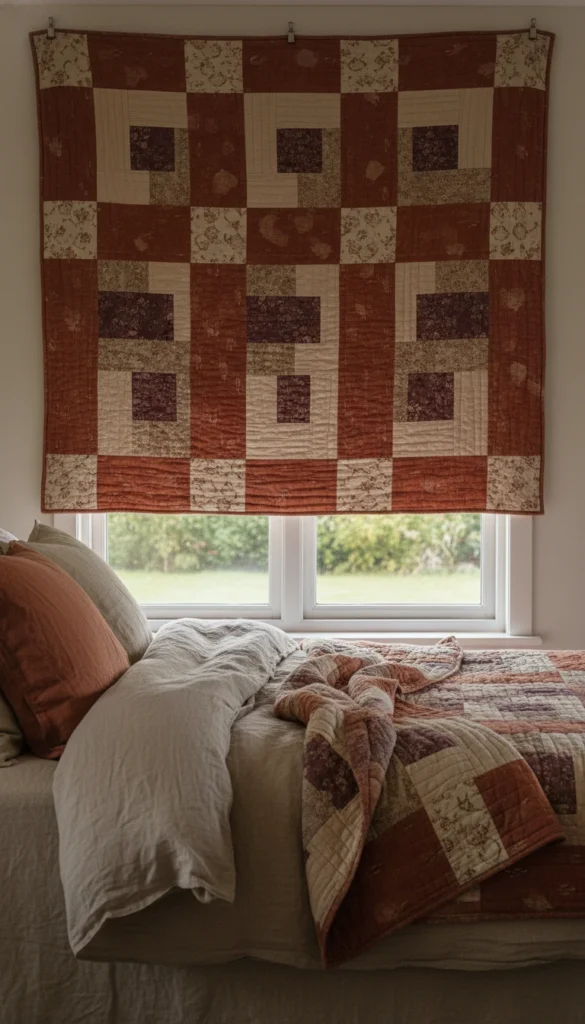
A window quilt is like a cozy blanket custom-designed for your glass.
- Sew (or commission) a quilted panel the size of the window frame.
- Use dense cotton batting inside for extra light blocking.
- Attach small hooks or clips along the top of the frame, and sew fabric loops across the top of the quilt.
At night you simply hook the quilt into place. In the morning, unhook it and fold it at the end of the bed. It doubles as a decorative throw in a pretty palette: think muted terracotta, soft fig, and pale stone squares.
B. Sliding Fabric Screens On A Ceiling Track
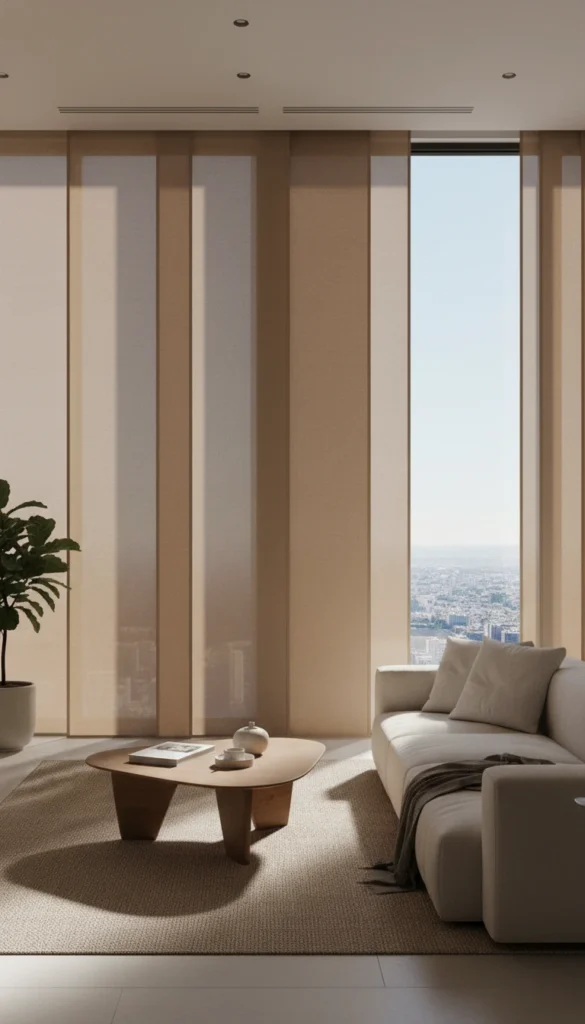
For large windows or sliding doors, install a sleek ceiling track and hang wide fabric panels that slide like shoji screens. These add drama without feeling like regular curtains.
To keep them light-blocking:
- Use a tightly woven linen-look fabric in deep charcoal, nutmeg, or espresso plum.
- Add an extra inner layer of dense lining between two fabric layers.
- Let the panels overlap generously in the center so light cannot peek through the gap.
At night, slide the screens across the glass for nearly full darkness. By day, stack them neatly to one side so the view stays open.
C. Roman Shades From Unexpected Textiles
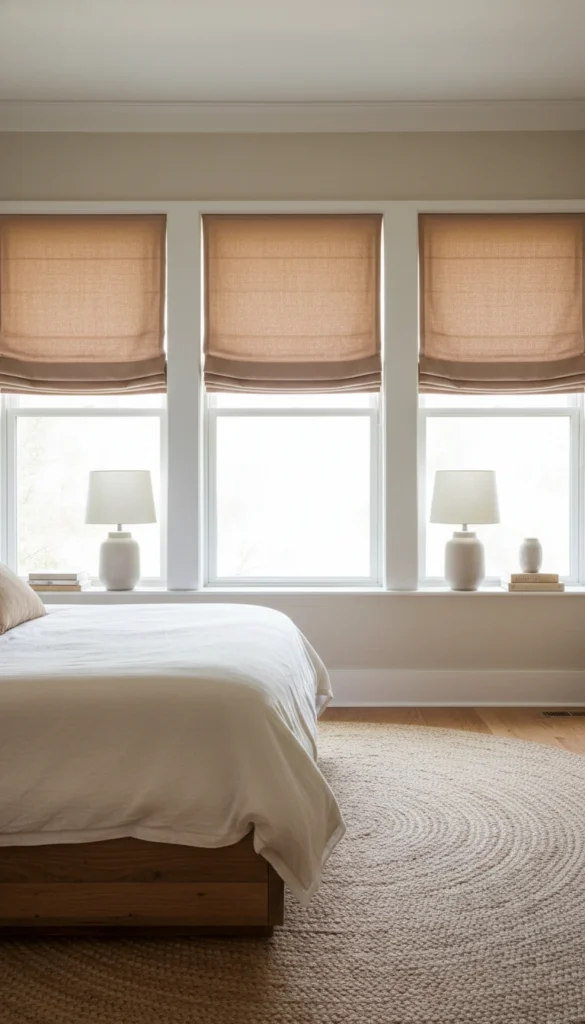
Roman shades feel tailored and clean, and they operate like art that folds up and down. You can make or commission them from:
- Vintage tablecloths
- Heavy stonewashed linen
- Textured cotton in shades like sand, chai, and deep forest green
Add an inner lining of blackout or room-darkening fabric, but keep the outer fabric something pretty and tactile. Since these are shades, not flowing curtains, they still align with the idea of blackout windows without curtains, yet give you that soft, layered look.
5. Furniture & Decor As Light Blockers
Sometimes you can treat the whole wall as a composition and use furniture, plants, and decor to help manage light.
A. Folding Screens In Front Of Bright Windows
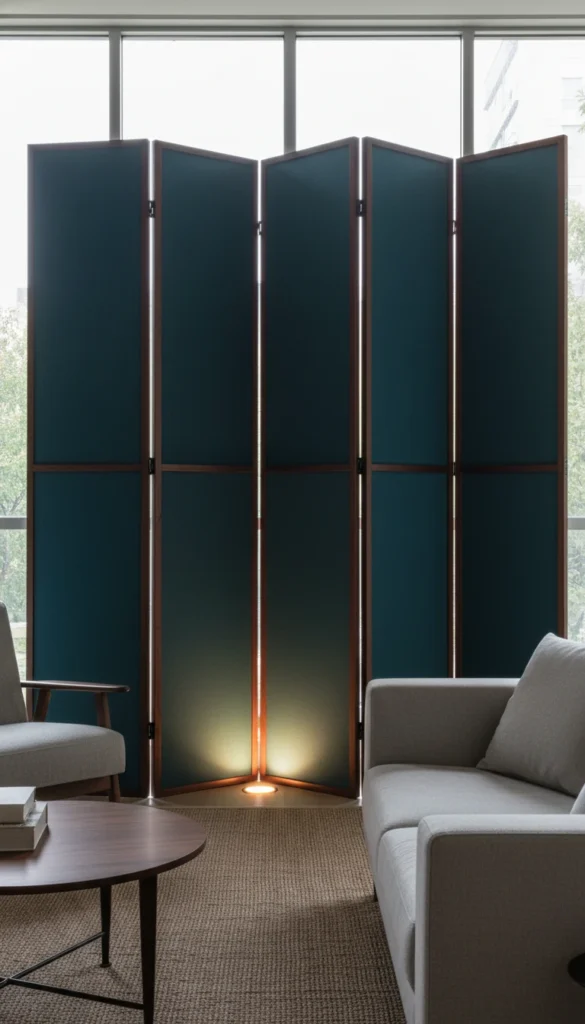
A tall, solid folding screen creates an instant light barrier and looks incredibly stylish.
- Pick a screen with fabric or rattan panels backed in a solid, darker material.
- Paint the frame in a moody color like inky teal, blackened plum, or slate green for that high-end Pinterest aesthetic.
- Angle it slightly in front of the window so it blocks direct beams while still letting some light wrap around the sides.
Place a floor lamp behind the screen for a soft, glowing effect in the evening.
B. Tall Storage & Bookcases As “Light Shields”
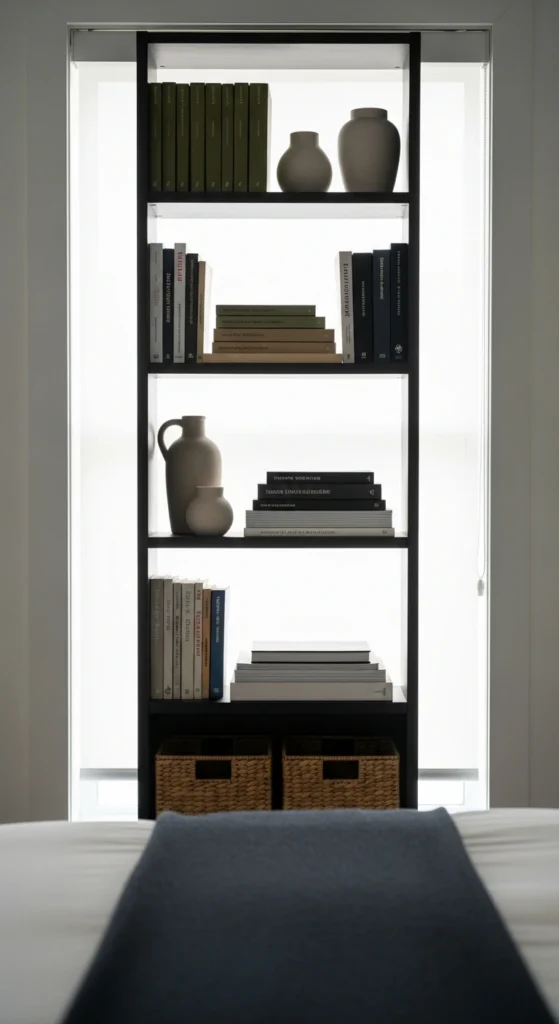
If a specific window floods your room with too much light, place a tall bookcase or wardrobe partially in front of it.
- Fill shelves with books, woven baskets, and ceramics so the piece feels intentional.
- Leave a few open areas along the top to let a little glow filter through.
- Style the visible side with tones that harmonize with the rest of the room: olive spines, sandy pottery, and charcoal storage boxes.
This works beautifully in studios or very small bedrooms where every piece of furniture needs to multitask.
C. Dense Plant Clusters

Plants will not create total blackout, but a lush cluster can soften the brightness and add privacy.
- Layer tall plants like fiddle leaf fig or rubber tree behind shorter ones like zz plants and ferns.
- Use deep charcoal, warm rust, and oat-colored pots so the green really pops.
- Position the densest cluster where the sun hits hardest to filter the beams.
Combine this with film or a shade for a gorgeous balance of nature and function.
6. Renter-Friendly, Temporary Hacks For Super Bright Rooms
Sometimes you just need a quick, reversible fix that still looks decent. Here are some ideas that feel more polished than taping a random blanket to the wall.
A. Foam Boards Behind Existing Blinds
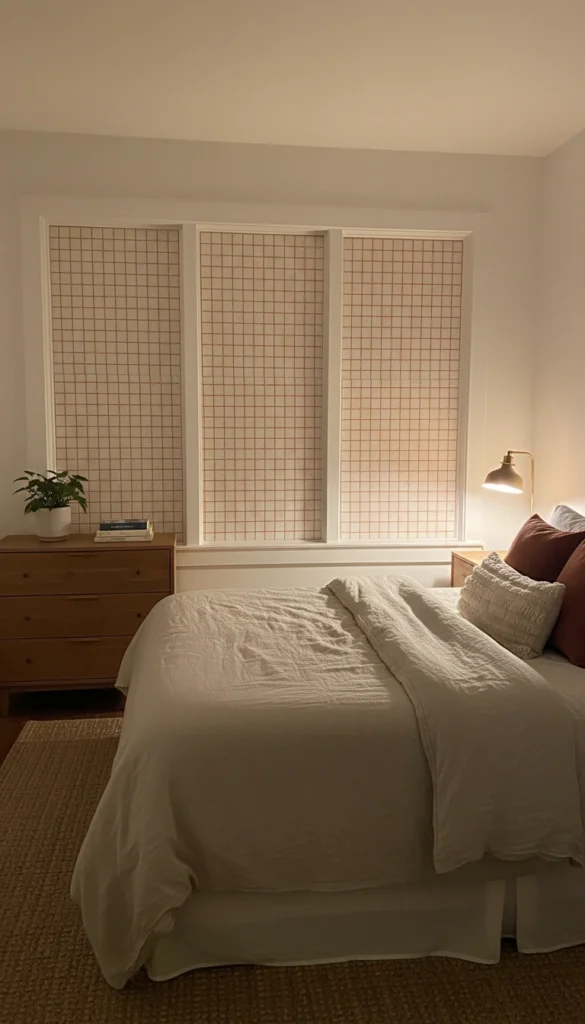
If blinds alone let in too much light, cut thin foam boards to the size of the glass and tuck them between the blinds and the window.
- Cover the indoor-facing side of the board with adhesive paper in a chic pattern: soft grid lines, subtle clay stripes, or pale terrazzo dots.
- At night, slide the boards into place. In the morning, stash them under the bed or behind a dresser.
From inside, you will see a patterned panel, not a piece of hardware store foam.
B. Removable Velcro Frames
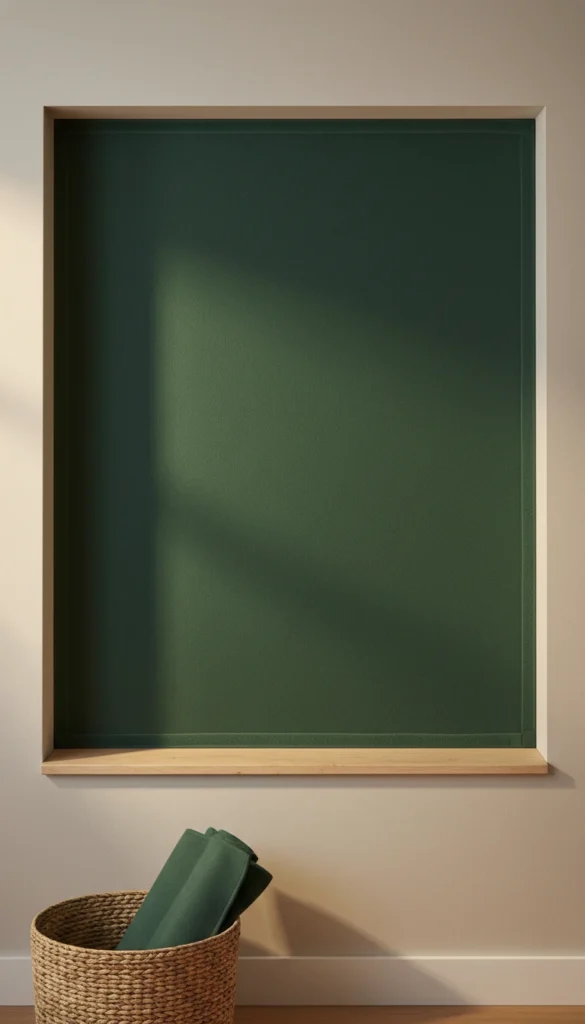
Use self-adhesive Velcro strips around the inside of the window frame and along the edges of a fabric or felt panel.
- When you press it into place at night, it attaches firmly and closes gaps around the edges where light usually sneaks in.
- During the day, peel it off and roll it up.
Choose a fabric that matches your decor theme: muted clay for boho, warm greige for minimal, deep eucalyptus for cozy organic.
C. Reflective Insulation Panels For Heat + Light Control
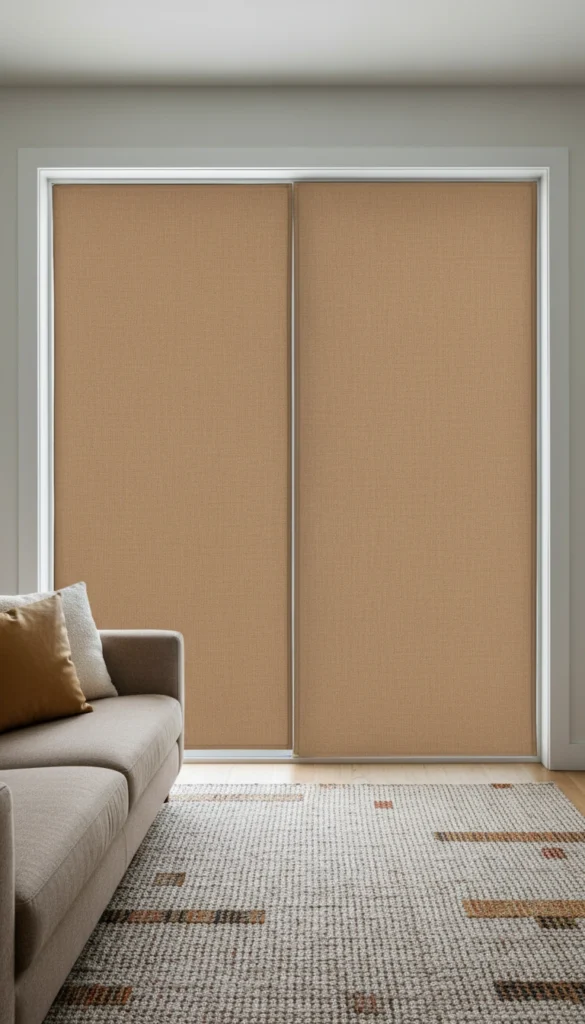
For extremely hot, bright windows, cut reflective insulation panels (the kind that looks a bit like quilted silver) to size.
To keep the look stylish:
- Face the reflective side toward the glass.
- Cover the room side with linen, canvas, or a printed cotton in a calm palette like hazelnut, smoke blue, and pale cream.
This trick is amazing for attics, top-floor apartments, or rooms that heat up fast.
7. Pulling It All Together: Designing Your Own Light-Control Strategy
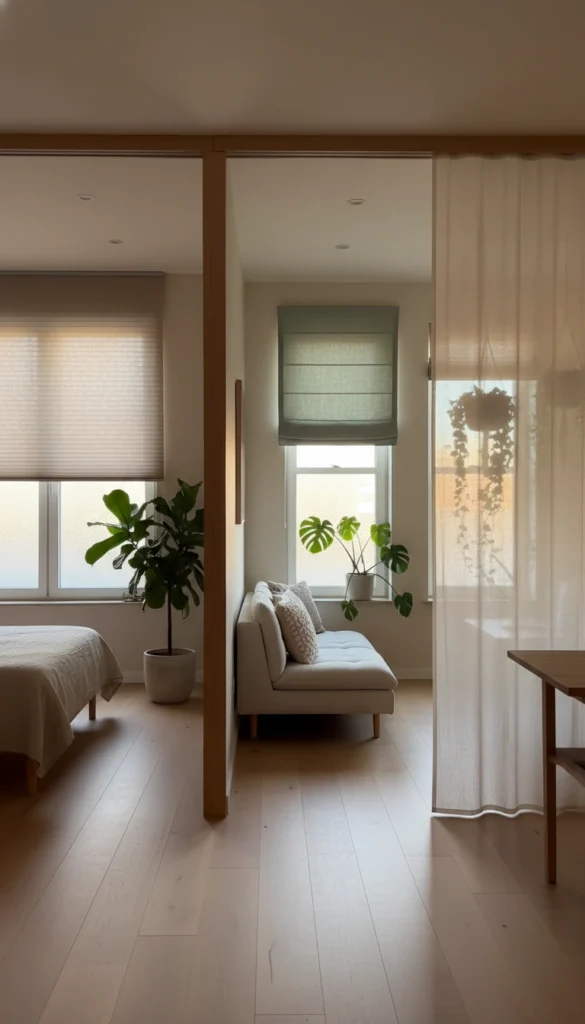
Blocking light without blackout curtains feels so much easier once you think in layers and zones instead of one single fix.
Here is a simple way to design your own blackout windows without curtains plan:
- Identify the goal for each window.
- Total darkness for sleep?
- Softer light for screens?
- Privacy without a cave?
- Choose a primary blocker on or near the glass.
- Film, cellular shade, roller shade, or a DIY insert panel.
- Add a secondary layer for gaps and glow.
- A window quilt, sliding screen, furniture placement, or foam inserts.
- Style it to feel intentional.
- Echo the room palette: maybe stormy blue-gray, mushroom, and chalk for calm spaces, or terracotta, saffron cream, and olive for warmer rooms.
- Repeat textures: linen, wood, brushed metal, woven baskets.
- Keep everything flexible.
- Aim for solutions that pop in and out easily so you can move from “bright and airy” to “cozy and cocooned” as your day shifts.
Light control does not need to look bulky or bland, and it absolutely can feel stylish and personal. With a mix of film, panels, shades, textiles, and clever furniture placement, you can create beautifully cozy, dim spaces that still feel curated and modern — no traditional blackout curtains required.
Other Articles

7 Layered Window Treatment Ideas You Can Copy
12+ Simple Outdoor Window Awning Ideas for Modern Small Homes