


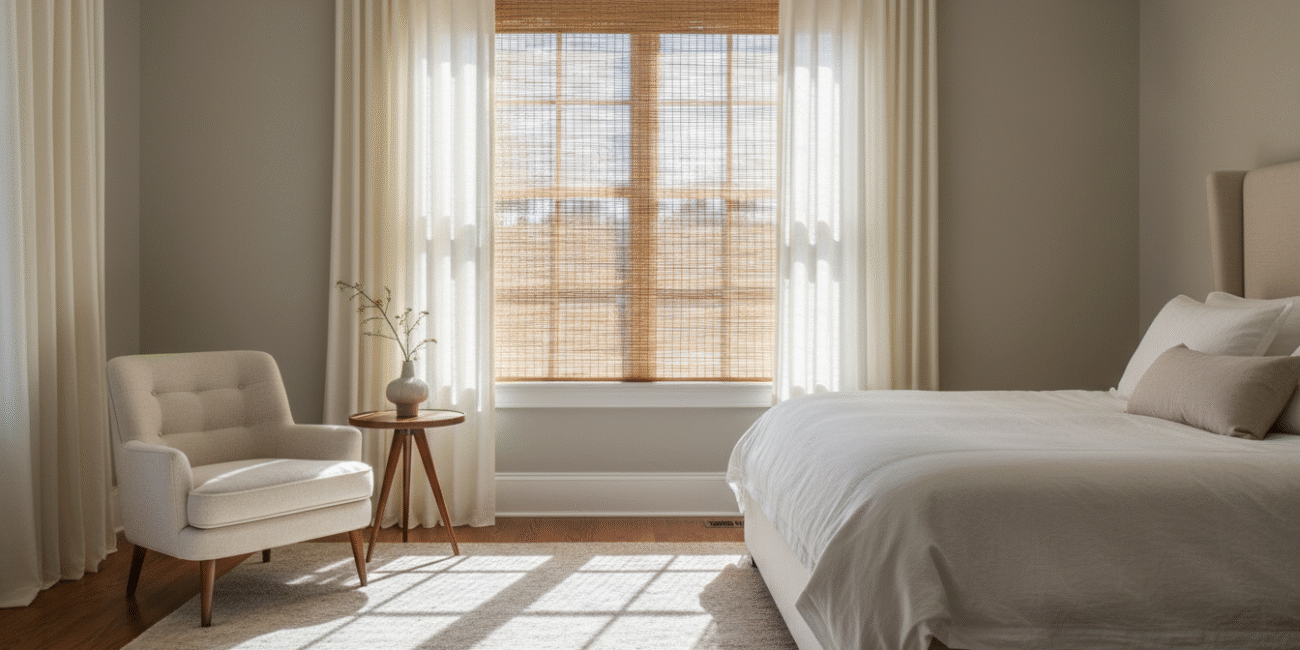
Window treatments define the atmospheric and functional character of a room more than almost any other design element. The choice between curtains and blinds is rarely just about personal taste; it involves a strategic calculation regarding light manipulation, architectural volume, and thermal efficiency. Designers approach this decision by analyzing the specific needs of the space, weighing the soft, acoustic dampening qualities of drapery against the precise, architectural control offered by blinds. Understanding the technical and aesthetic distinctions between these two categories ensures a cohesive interior that performs as well as it looks.
Light Control Precision

The primary functional distinction lies in how each treatment manipulates natural light. Blinds, particularly Venetian or vertical styles, offer incremental light control. The ability to tilt slats allows you to deflect sunlight onto the ceiling or floor, illuminating the room while maintaining privacy from the street level. This mechanical precision is essential for home offices or rooms facing direct sunlight where glare is a concern.
Soft Diffusion
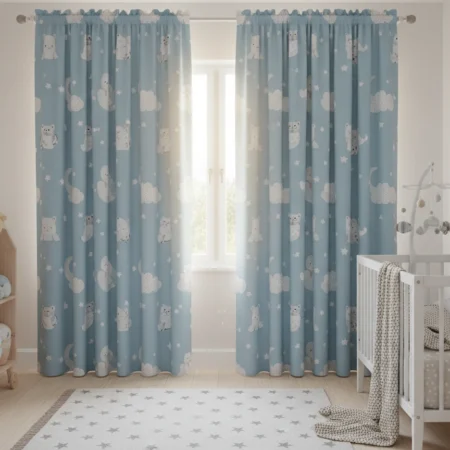
Curtains generally operate on a binary system: they are either open or closed. However, the fabric choice drastically changes the quality of light. Sheer curtains act as a diffuser, softening harsh daylight into a flattering glow, while blackout drapes provide total darkness. To achieve the versatility of blinds with curtains, layering is required.
Pro Tip: For maximum flexibility without the mechanical look of blinds, install a double rod system with a sheer layer for day and a heavier drape for night.
Spatial Dynamics and Volume

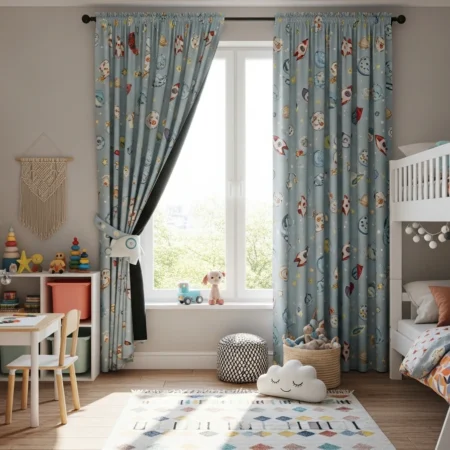
Curtains add verticality and softness to a room, drawing the eye upward and creating a sense of luxury. They add visual weight and texture, acting as a vertical extension of the wall. This makes them ideal for large living spaces or bedrooms that feel cold or empty. However, they require ‘stack back’ space—the area the curtains occupy when open—which can encroach on window glass or furniture placement.
Minimalist Footprints
Blinds are the superior choice for maximizing floor space and maintaining a clean architectural line. They fit snugly within the window recess (inside mount), making them perfect for smaller rooms or areas where furniture sits directly beneath the window. This streamlined profile preserves the room’s square footage and avoids visual clutter.
Pro Tip: In small rooms with low ceilings, hang curtain rods as close to the ceiling line as possible to visually elongate the walls.
Thermal Insulation and Acoustics

Fabric is a natural insulator. Heavy curtains, especially those with thermal lining, significantly reduce heat loss in winter and heat gain in summer. They also provide acoustic dampening, absorbing sound to reduce echo in rooms with hardwood floors or high ceilings. This makes curtains the preferred choice for bedrooms and media rooms where comfort and quiet are paramount.
Energy Efficiency in Hard Treatments
While standard slat blinds offer minimal insulation due to the gaps between slats, cellular (honeycomb) shades are an exception. Their design traps air in pockets, creating a thermal barrier. However, most hard blinds (wood, aluminum) lack the sound-absorbing properties of fabric, often reflecting sound back into the room rather than softening it.
Pro Tip: Combine cellular shades mounted inside the frame with decorative side panels to get the energy efficiency of blinds with the acoustic benefits of drapery.
Maintenance and Durability
Blinds, particularly those with horizontal slats, are magnets for dust. Cleaning them requires wiping down individual slats, which can be tedious. However, hard materials like faux wood or aluminum are moisture resistant, making them the only viable option for humid environments like bathrooms and kitchens where fabric would absorb odors or grow mold.
Fabric Care
Curtains generally require less frequent attention but the cleaning process is more involved. Most high-quality drapery requires professional dry cleaning or careful steaming to avoid shrinkage or fabric distortion. While they don’t need weekly dusting, they can harbor allergens over time, requiring a vacuum with an upholstery attachment.
Pro Tip: Use a dryer sheet or anti-static spray on blind slats after cleaning to repel dust accumulation for longer periods.
Conclusion
The decision between curtains and blinds is rarely an either-or proposition in high-end design. The most sophisticated interiors often employ a layered approach, utilizing the precise light control and privacy of blinds alongside the softening, decorative impact of curtains. By assessing the architectural constraints, the room’s function, and the desired thermal performance, you can select a treatment that elevates the space from merely furnished to intentionally designed.
Other Articles

How to Choose Bedroom Window Treatments (Chart Inside)
Curtains vs Blinds: Which One Should You Choose? (Pros & Cons Chart)