





7 Smart Tricks Everyone’s Using to Work Less (But Get More Done)
Ever feel like you’re busy all day but somehow end up wondering what you actually accomplished? Yeah, same. I’ve had those days where my calendar looks impressive, my to-do list feels heroic, and my actual output… well… let’s not talk about it.
Over time, I noticed something interesting: the most productive people I know don’t work more—they work smarter. They cut corners (the good kind), ditch busywork, and still crush results. IMO, that’s the real flex.
So let’s talk about seven smart tricks everyone’s using to work less but get more done, without burning out or turning into a productivity robot 🙂
1. They Ruthlessly Cut Low-Value Tasks
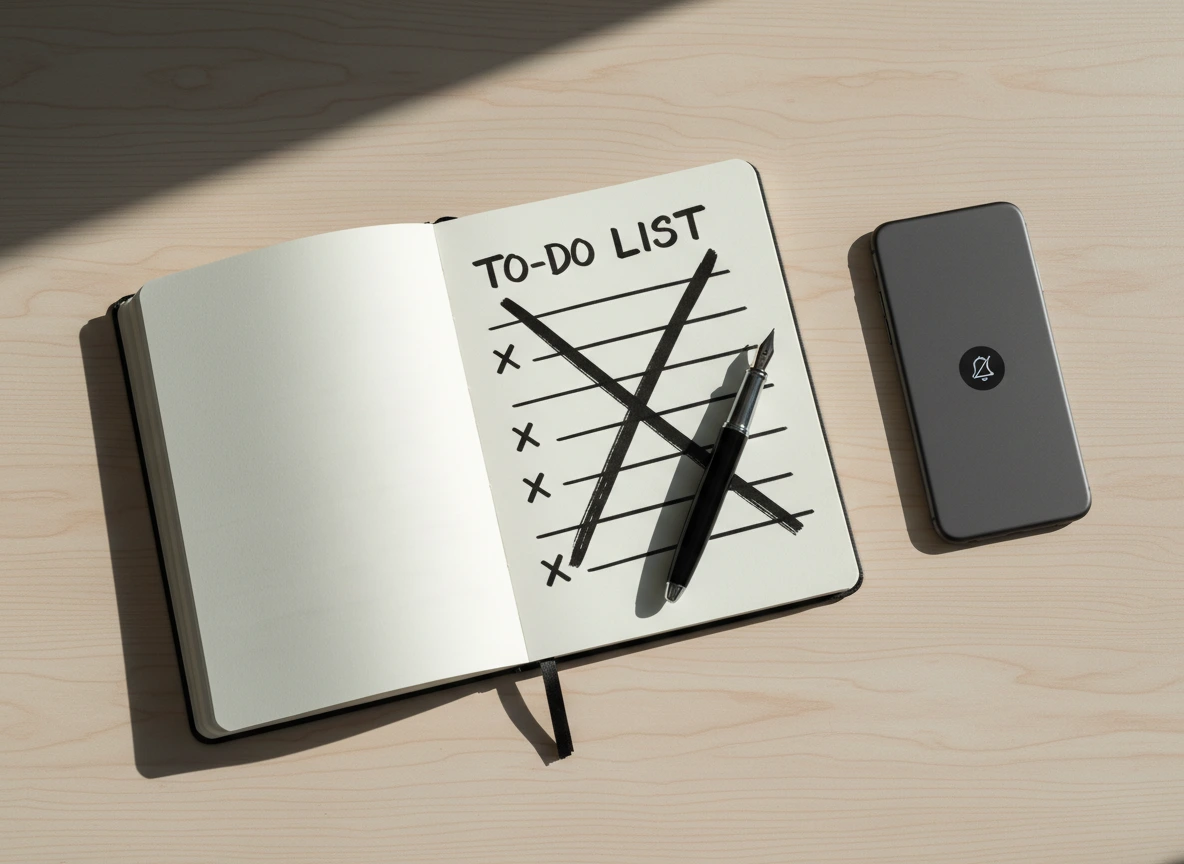
Here’s an uncomfortable truth: not everything on your to-do list deserves to exist. I used to treat my task list like a sacred document. Spoiler alert—it wasn’t.
Highly productive people question every task before they touch it. They ask whether it actually moves the needle or just fills time.
How to Spot Time-Wasters Fast
- Ask “What happens if I don’t do this?”
- Check if the task creates real outcomes or just activity
- Notice tasks you avoid but still feel obligated to do
Once I started deleting tasks instead of “rescheduling” them forever, my workload magically shrank. Ever wondered why fewer tasks feel so freeing?
2. They Time-Block Like It’s a Superpower
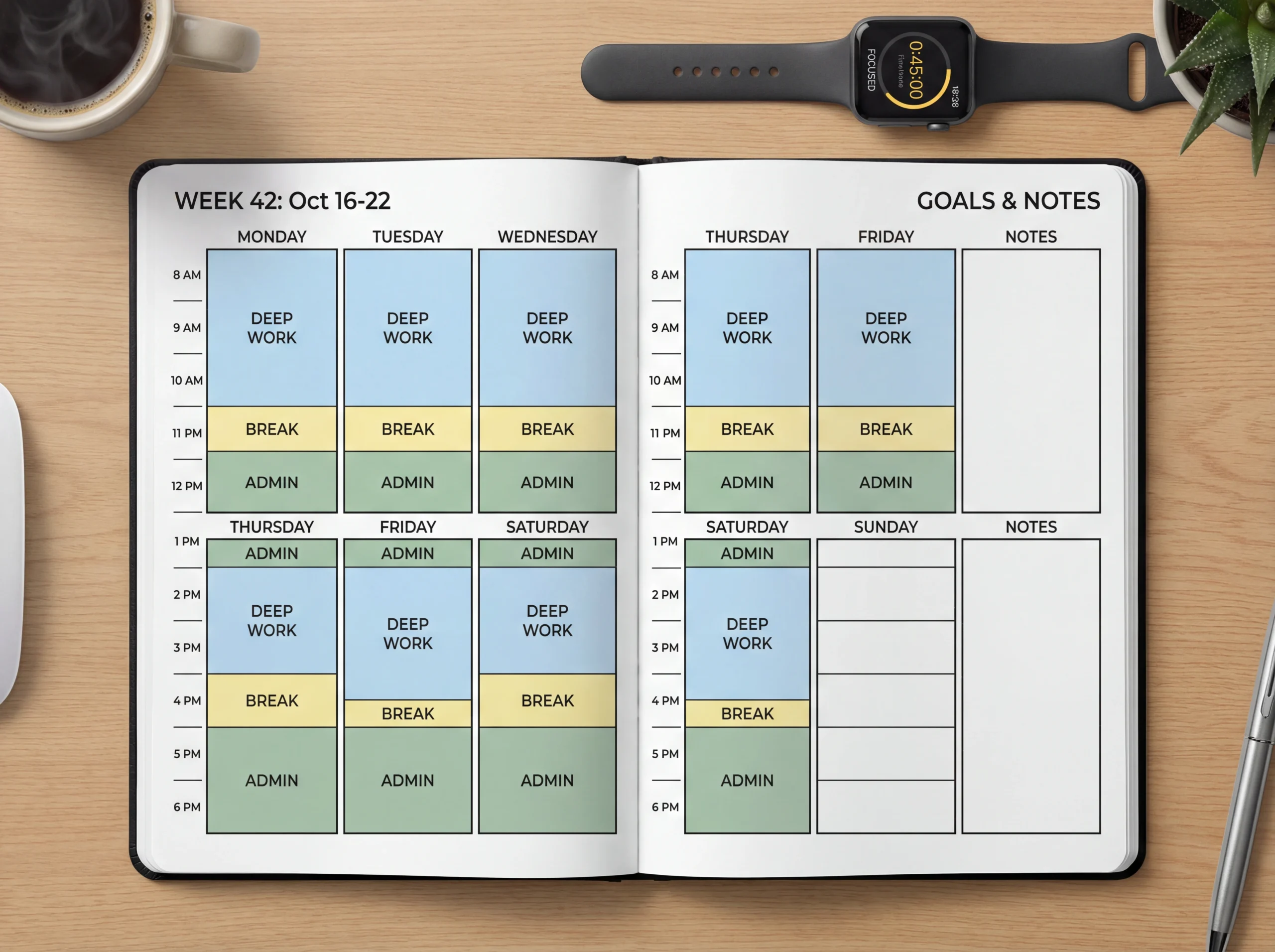
I used to think time-blocking sounded rigid and boring. Turns out, I was wrong. Very wrong.
Time-blocking doesn’t cage your creativity—it protects your focus. You decide in advance what deserves your energy, instead of reacting all day.
Why Time-Blocking Actually Works
- You reduce decision fatigue
- You batch similar tasks together
- You avoid constant context switching
FYI, you don’t need a color-coded calendar masterpiece. I literally block chunks like “Deep Work,” “Admin Junk,” and “Don’t Talk to Me.” Simple works.
3. They Stop Multitasking (Seriously)

Multitasking feels productive. It looks productive. It lies to your face.
Your brain doesn’t multitask—it task-switches, and that switching drains focus fast. I noticed my work improved overnight once I stopped juggling tabs like a caffeinated squirrel.
What Single-Tasking Looks Like
- One task
- One window
- One clear outcome
When you give something your full attention, you finish faster and better. Why rush through five things badly when you can crush one thing properly?
4. They Automate Anything That Repeats

If you do something the same way more than twice, automation should cross your mind. Smart workers don’t “power through” repetitive tasks—they hand them off to tools.
I once spent hours manually organizing files. Automating that felt like getting free time delivered to my doorstep.
Easy Wins for Automation
- Email filters and templates
- Task reminders and recurring checklists
- File naming and organization rules
Automation doesn’t replace your brain—it frees it. And honestly, who wants to waste mental energy on copy-paste duty?
5. They Set Clear “Stop Times”

This one surprised me. People who get more done often work fewer hours on purpose. They set a hard stop and let that constraint sharpen their focus.
When I stopped working “until it felt done,” my productivity jumped. Deadlines work—even self-imposed ones.
Why Stop Times Increase Output
- You avoid perfection paralysis
- You prioritize faster
- You respect your own energy
Ever notice how you finish more right before a deadline? That’s not panic—it’s focus finally showing up.
6. They Protect Their Energy, Not Just Their Time

Time matters, but energy decides everything. You can block eight hours and still feel useless if your energy tanks.
Productive people pay attention to when they work best. I stopped forcing deep work late in the day, and wow—game changer.
Energy Management Basics
- Do hard tasks when your energy peaks
- Save shallow work for low-energy windows
- Actually take breaks (yes, really)
You’re not lazy—you’re human. Work with your energy instead of fighting it.
7. They Review and Adjust Weekly
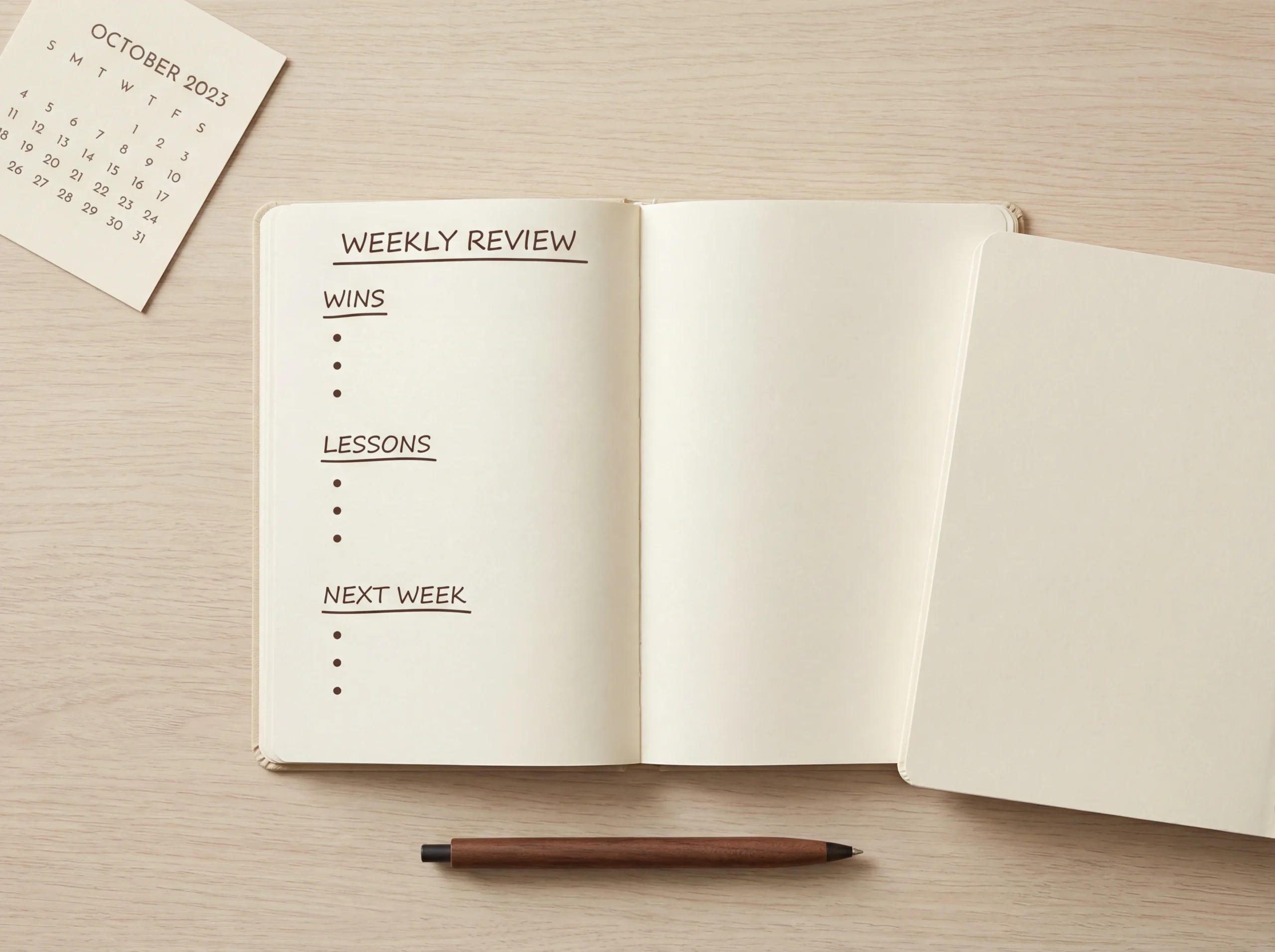
Here’s the secret sauce most people skip: reflection. The smartest workers don’t just work—they review how they work.
I spend 15 minutes every week asking what worked and what didn’t. That tiny habit saved me countless hours long-term.
Simple Weekly Review Questions
- What moved the needle most this week?
- What felt like wasted effort?
- What should I stop doing next week?
Progress compounds when you pay attention. Why repeat the same mistakes when you can quietly outgrow them?
Why These Tricks Actually Work Together
Each trick sounds simple on its own. The magic happens when you stack them.
You cut useless tasks, protect focus, automate the boring stuff, and respect your energy. Suddenly, work feels lighter—and your output improves without heroic effort.
And no, this isn’t about becoming a productivity monk. It’s about doing less nonsense so your real work shines.
Common Myths That Keep People Overworking
Let’s clear a few things up real quick:
- Busy ≠ productive
- Long hours ≠ better results
- More effort ≠ smarter work
Once I stopped glorifying exhaustion, my workdays got shorter and my results improved. Funny how that works :/
How to Start Without Overthinking It
Don’t try all seven at once. That’s a trap. Pick one trick and test it for a week.
If I had to recommend a starting point, I’d say:
- Cut one low-value task
- Block one focused work session
- Automate one annoying repeat task
Small changes beat grand plans every time. Agree?
Final Thoughts: Less Work, Better Results
Working less doesn’t mean caring less. It means caring about the right things.
These seven smart tricks help you reclaim time, energy, and sanity—without sacrificing results. I use them daily, tweak them often, and honestly can’t imagine going back.
So here’s my challenge: Which one will you try this week?
Your future self will thank you. Probably with fewer late nights and a lot more free time.
Other Articles

13 Cool Mirror Ideas You’ll Want in Every Room by Tonight
10 Creative Mirror Frame Ideas





No Comment! Be the first one.