


18 Cozy Corner Ideas That Make You Want to Sit Down and Stay
A cozy corner isn’t about square footage or expensive furniture. It’s about creating a small place where your body and mind can both slow down. People look for cozy corner ideas because they want comfort that feels natural, not forced—somewhere to read, rest, or simply pause without distraction. The best corners feel inviting the moment you see them and effortless the moment you sit down. With the right balance of softness, lighting, and intention, even the smallest unused space can become a favorite part of your home.
Start with an oversized, sink-in seat
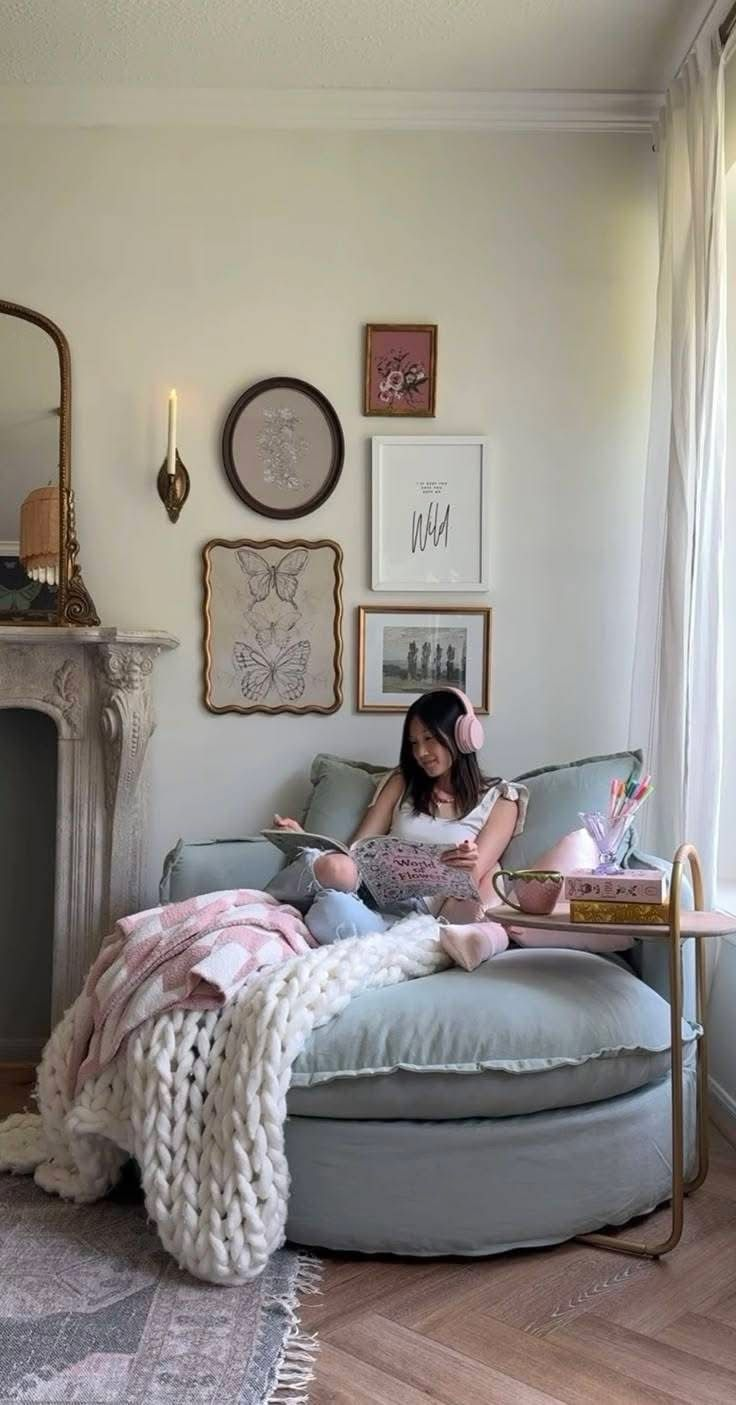
A cozy corner works best when the seating invites you to fully relax, not perch. A deep chair, chaise, or floor-level lounger lets you curl up naturally, which is what makes the space feel comforting instead of styled.
Soft structure matters more than looks here. Choose something wide enough to change positions, stretch your legs, or sit sideways without feeling restricted. If it feels slightly indulgent for the size of the space, that’s usually a good sign.
Layer it with one or two pillows for support and a thick throw you can pull over yourself. The goal isn’t matching—it’s creating a spot that feels forgiving and easy to settle into after a long day.
Build warmth with layered lighting
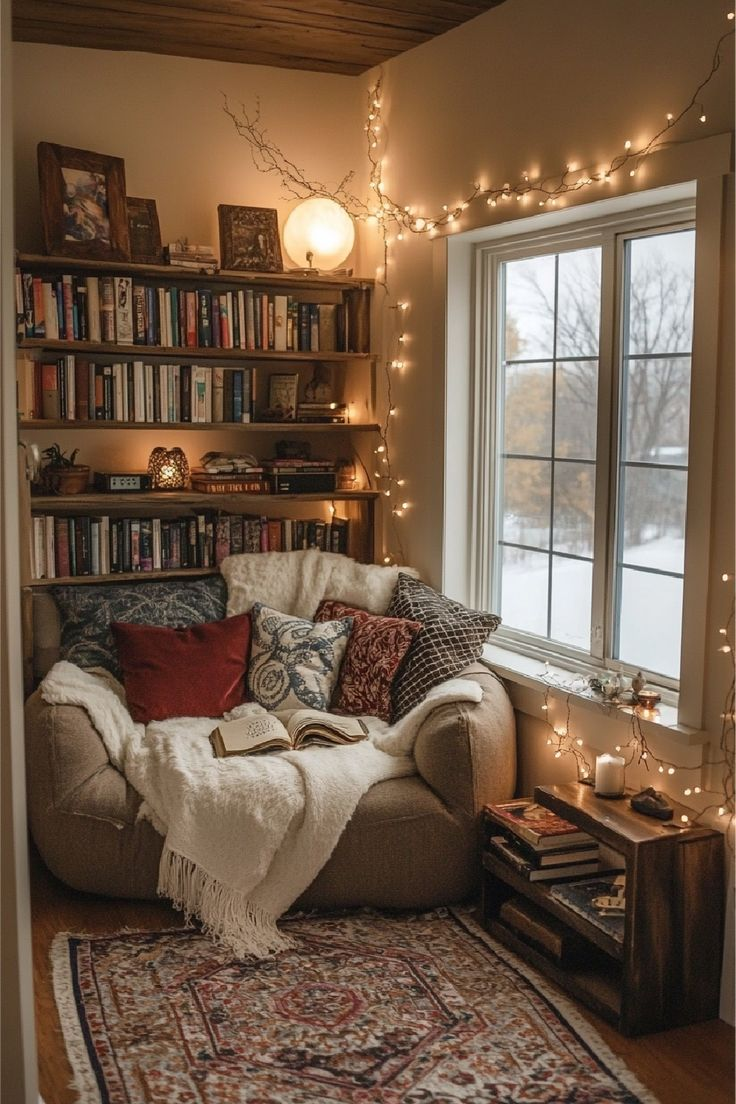
Cozy spaces rarely rely on a single light source. Soft, scattered lighting creates depth and makes a corner feel intentionally inviting rather than accidentally dark.
Mix a few gentle options instead of one bright lamp. Think small table lamps, low-watt bulbs, or warm ambient glow that stays below eye level. This keeps the light relaxing and avoids harsh shadows.
The key is flexibility. Being able to turn on just one soft light or several at once lets the space adapt to different moods—quiet mornings, evening reading, or winding down before bed.
Ground the corner with soft textures
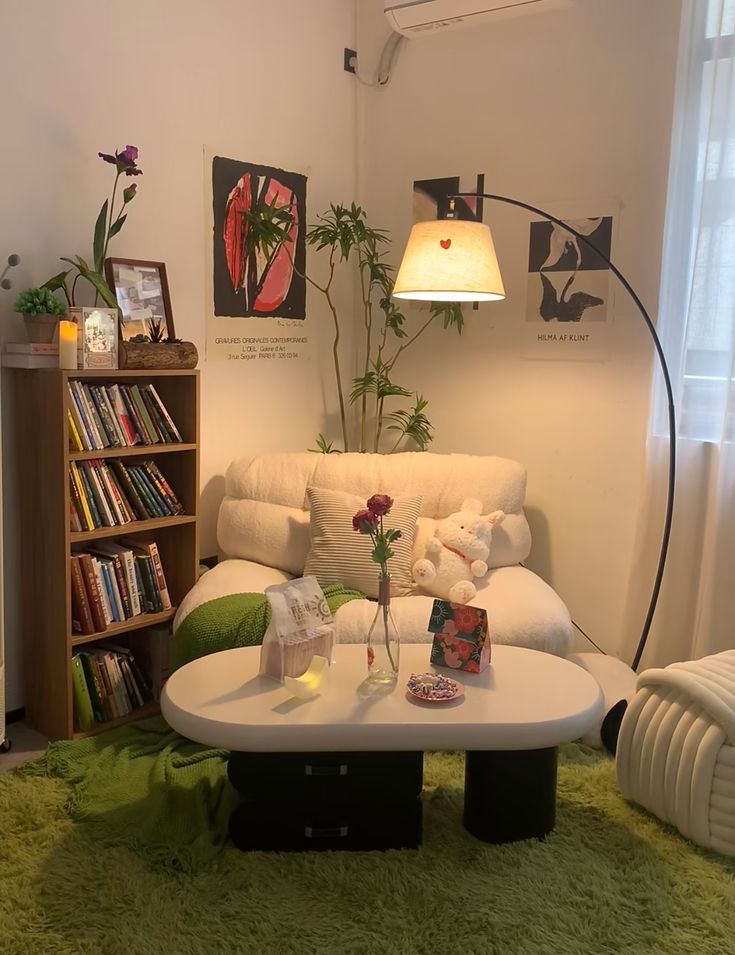
A cozy corner feels complete when there’s something soft underfoot. Texture at floor level anchors the space and makes it feel separate from the rest of the room, even without walls.
Rugs, poufs, or thick floor cushions add comfort while subtly signaling that this is a place meant for slowing down. The softer the texture, the more inviting the corner becomes, especially for sitting low or stretching out.
Don’t worry about perfection. Slightly oversized, plush, or even a bit messy textures often feel better than anything too neat or polished.
Let the space feel enclosed, not exposed

Cozy corners feel safer and calmer when they have a sense of boundary. Even a small amount of enclosure can turn an ordinary seat into a retreat.
This doesn’t require building walls. Alcoves, recessed areas, or even two close surfaces meeting at a corner naturally create that tucked-away feeling. The brain reads these spaces as quieter and more private, which makes it easier to relax.
If your home lacks built-in nooks, you can fake the effect. Position seating close to walls, add a tall floor lamp or shelf beside it, or use soft vertical elements like pillows or fabric to create a gentle sense of containment.
Make comfort feel effortless, not staged
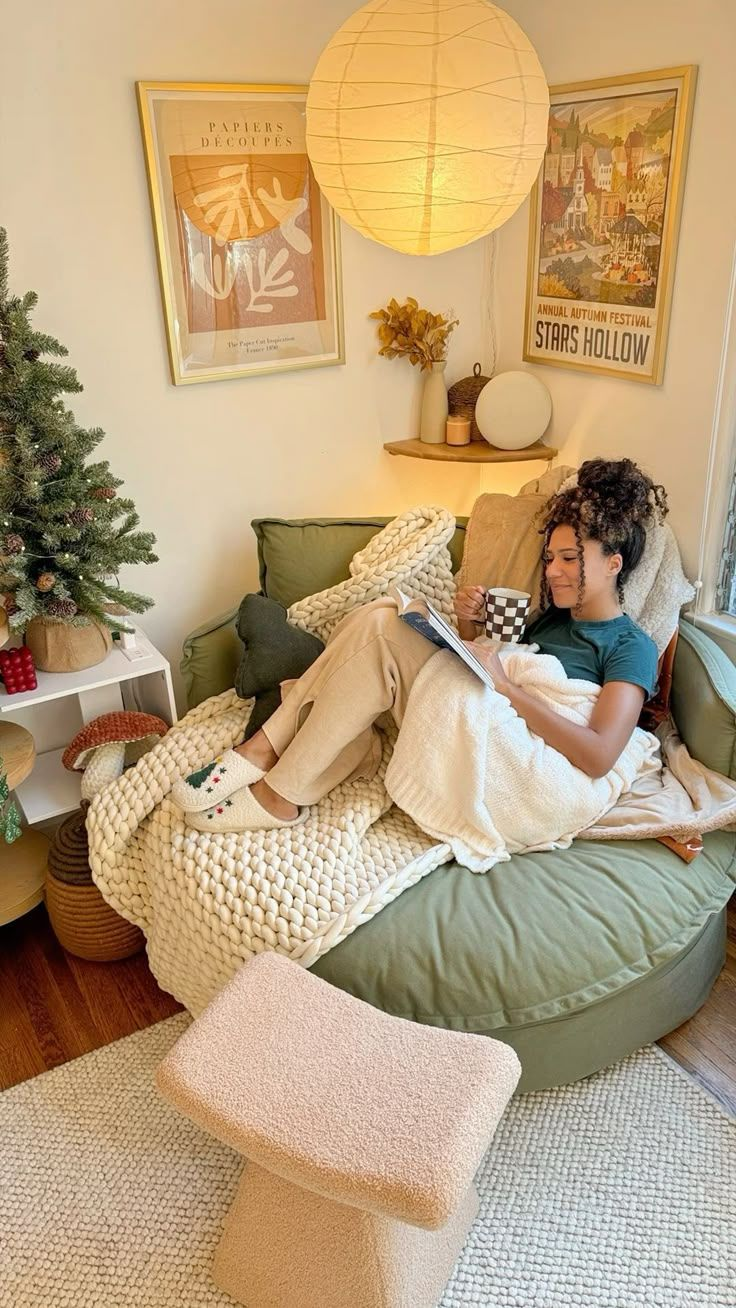
The most inviting cozy corners look lived-in, not perfectly arranged. When everything feels too deliberate, the space can lose its warmth and start feeling like décor instead of a place to relax.
Focus on ease. A throw that’s easy to grab, a pillow you don’t have to fluff, and a surface nearby for a drink or book all make the corner feel usable. If you can settle in without adjusting five things first, you’ve done it right.
Comfort should feel automatic. When a corner quietly supports small habits—reading, sipping something warm, taking a break—it naturally becomes part of daily life instead of just a pretty spot.
Use surrounding elements to frame the corner
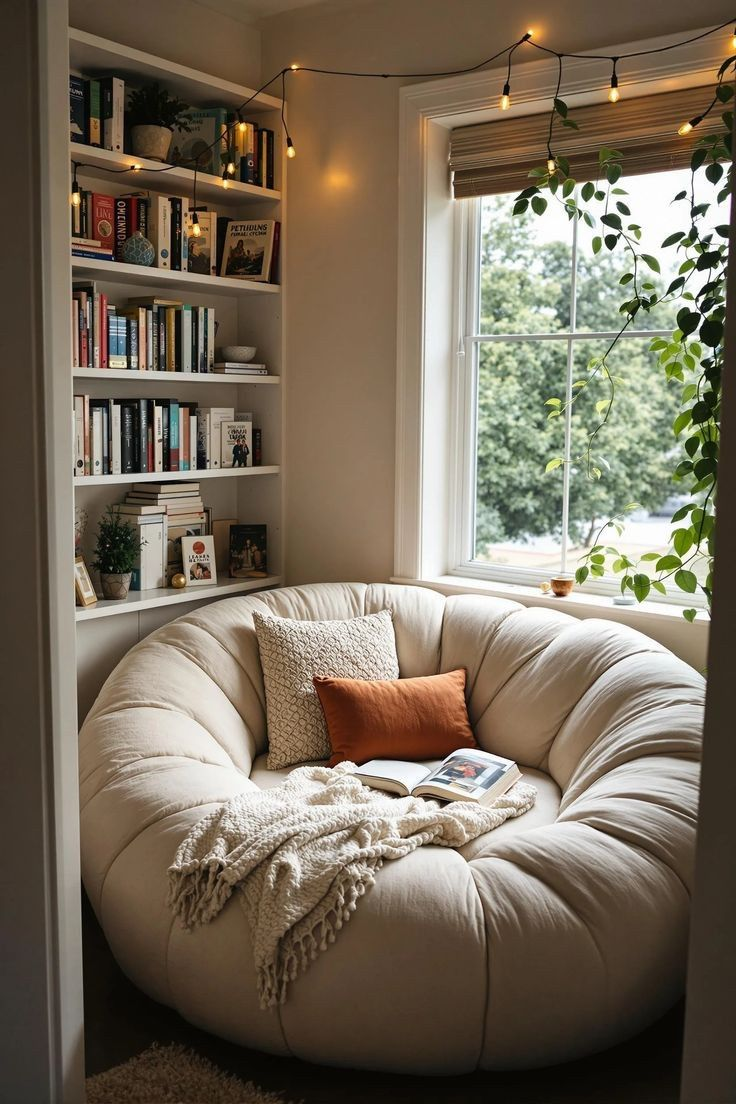
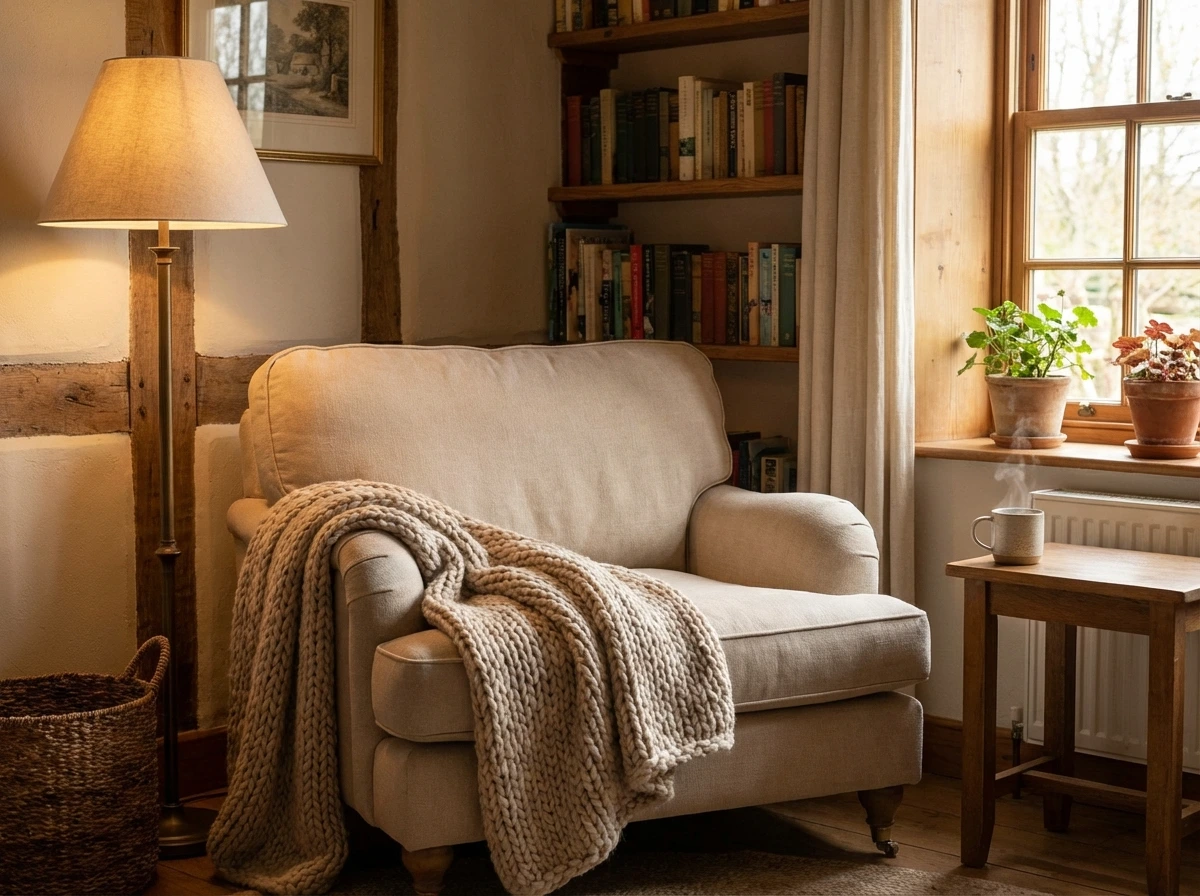
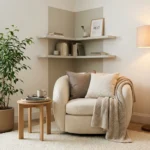
A cozy corner feels more intentional when it’s visually held in place. Built-ins, shelving, or nearby vertical elements help define the area and stop it from feeling like furniture floating in the room.
This kind of framing creates a natural pause for the eye. When books, plants, or soft objects wrap around the seating area, the corner feels calmer and more grounded, almost like its own small room.
You don’t need custom carpentry to get this effect. Tall shelves, a window edge, or even a nearby plant can quietly signal, “this is a place to settle in.”
Keep the color palette calm and cohesive

Cozy corners benefit from restraint when it comes to color. Too many competing tones can make the space feel busy instead of soothing.
Stick to a small, gentle palette and repeat it across soft elements like pillows, throws, and nearby décor. This creates visual quiet, which helps the space feel restful even in a small area.
That doesn’t mean everything has to match perfectly. Slight variations in shade and texture keep the corner interesting while still feeling pulled together.
Don’t ignore floor-level seating options
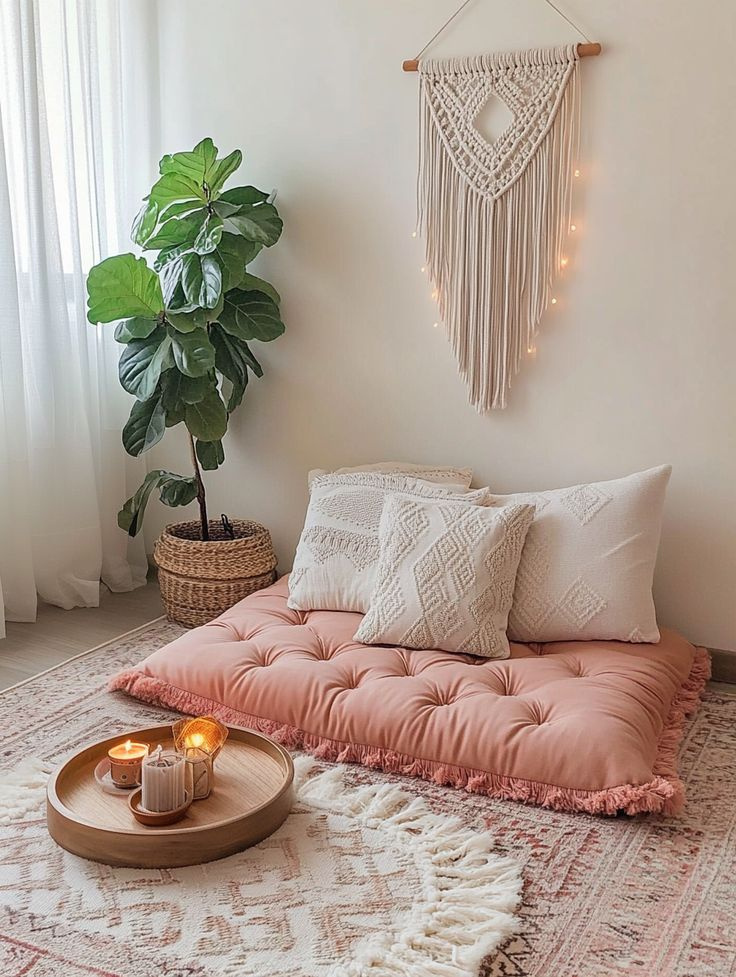
Cozy corners don’t always need traditional chairs. Sitting closer to the floor naturally changes how a space feels—slower, calmer, and more relaxed.
Floor cushions, padded mats, or low platforms work especially well in small rooms where bulky furniture feels overwhelming. They keep the space open while still offering comfort, and they invite casual use rather than formal sitting.
This approach also makes the corner more flexible. It can shift easily between reading, stretching, or quiet downtime without feeling locked into a single purpose.
Anchor the corner with one comforting focal piece
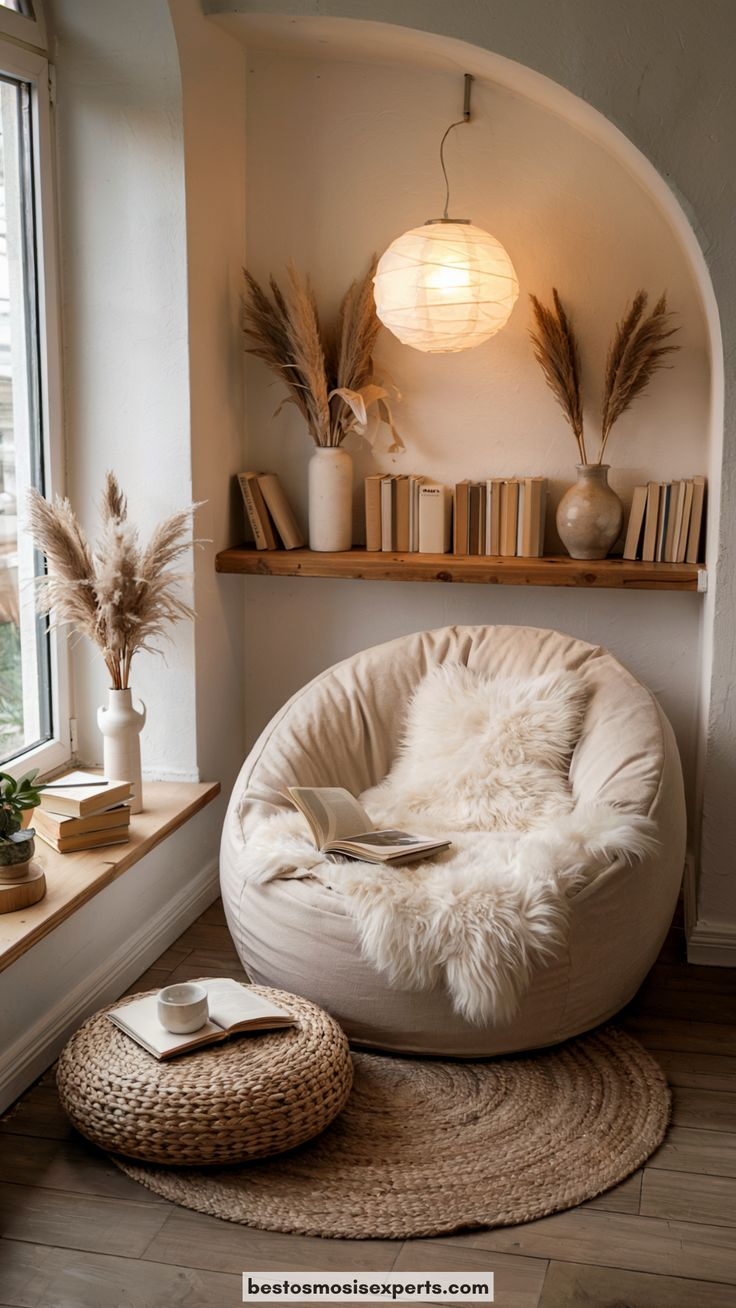
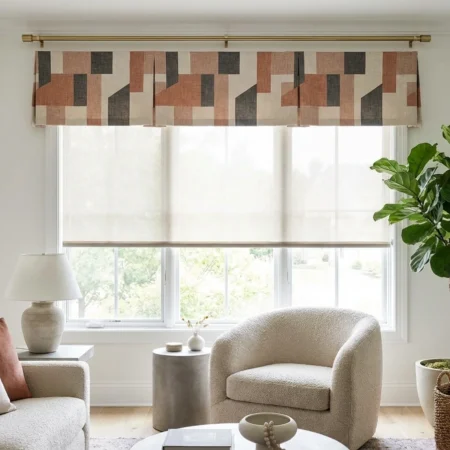
Every cozy corner needs a clear anchor—one item that quietly does most of the emotional work. When there’s a dominant, comforting piece, everything else can stay simple.
This might be a generously cushioned seat, a soft rounded shape, or something that visually feels plush and forgiving. When your body sees that kind of softness first, it immediately understands the space as a place to slow down.
Once the anchor is in place, supporting elements become easier to choose. A small surface, a soft rug, or a single light source can orbit around it without competing for attention.
Bring in natural elements for emotional warmth
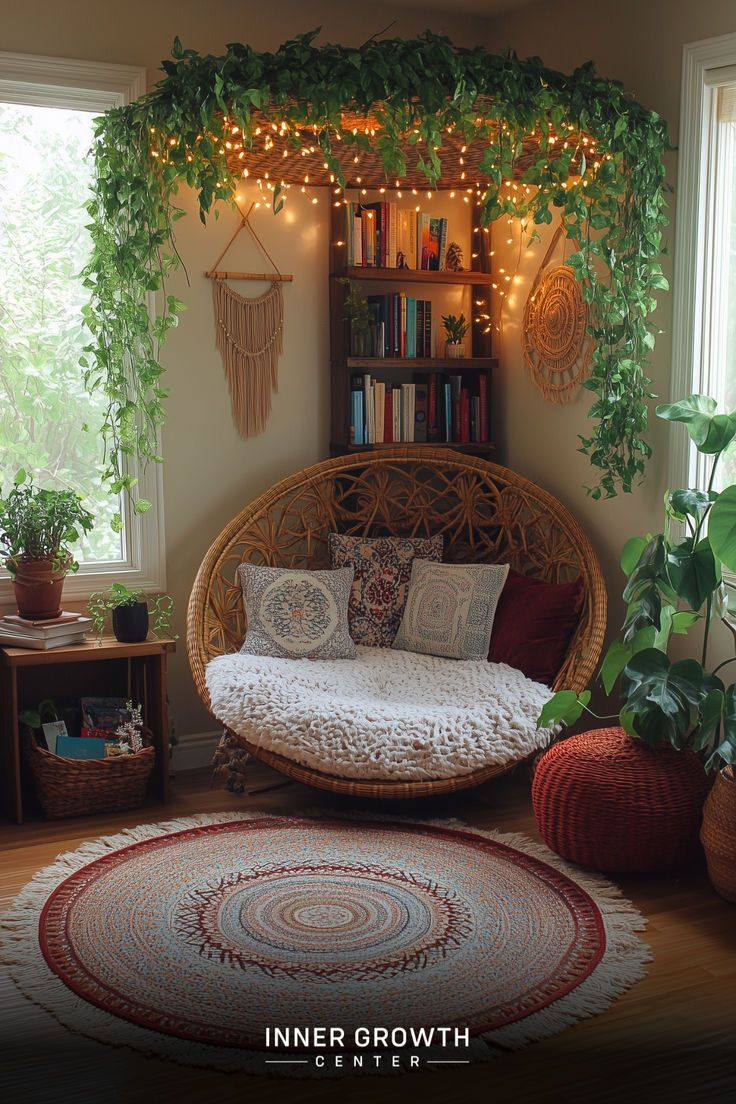
Natural materials quietly make a space feel calmer and more grounded. When a cozy corner includes organic textures, it tends to feel less styled and more nurturing.
Wood, woven fibers, plants, and soft earthy finishes introduce subtle variation without visual noise. These elements soften hard edges and help the corner feel connected to the rest of the home rather than isolated.
You don’t need much. One or two natural pieces are often enough to shift the mood, making the corner feel welcoming in a way that synthetic or overly polished items rarely achieve.
Leave breathing room around the corner

Cozy doesn’t mean crowded. A corner feels more inviting when it has a bit of space to exist on its own, instead of being squeezed between too many objects.
Clear floor space around the seating helps the corner feel intentional and calm. When there’s room to approach it easily and move around without bumping into things, the space feels more relaxed and usable.
If a corner feels off, try removing rather than adding. Pull back one extra piece of furniture or décor and see how the mood shifts. Often, comfort improves when the space can breathe.
Pair seating with a dedicated light source
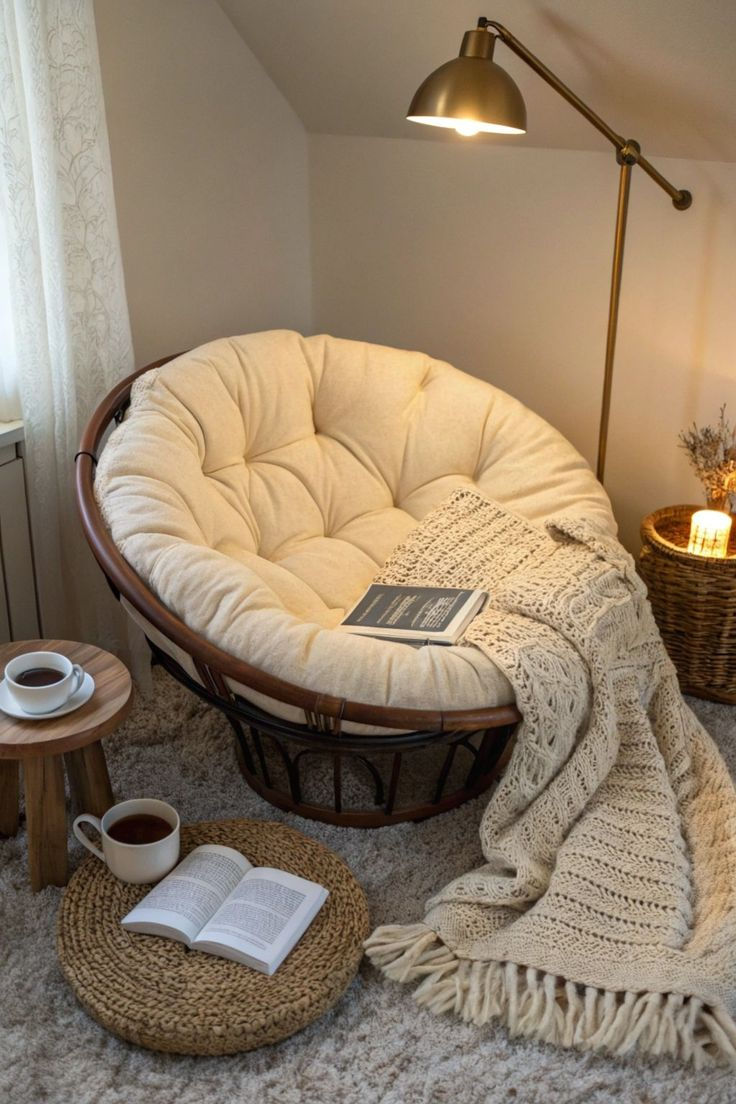
A cozy corner feels incomplete without its own light. Having a lamp that exists solely for that spot makes the space feel intentional and easy to use at any time of day.
The best lighting for a corner is directional but soft. It should be bright enough to read by, yet warm enough to keep the mood relaxed. When the light is clearly tied to the seating, the corner feels self-contained rather than borrowed from the rest of the room.
This small detail also adds independence. You can settle in without turning on overhead lights, which instantly makes the space feel calmer and more personal.
Balance softness with a few clean lines
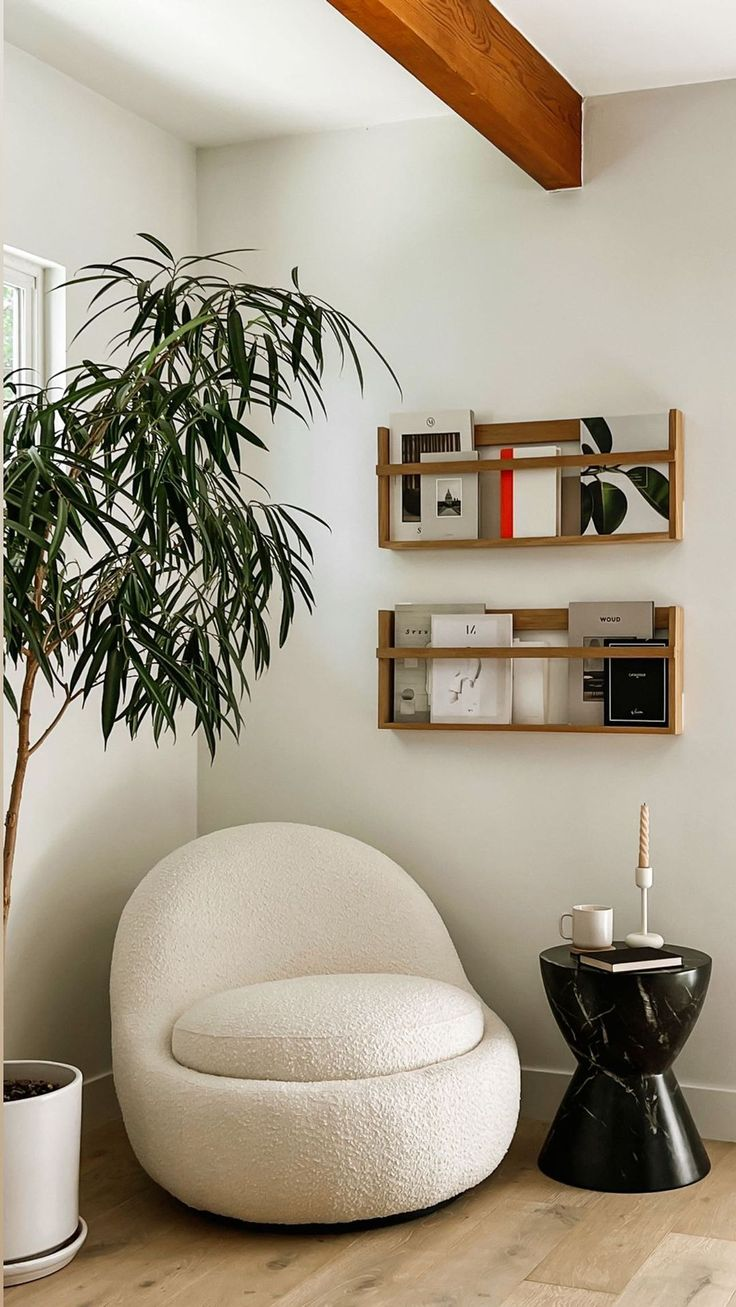
A cozy corner doesn’t have to be cluttered to feel warm. In fact, mixing softness with a few structured elements can make the comfort stand out even more.
When plush seating is paired with clean shapes—like simple shelving, a solid side table, or clear wall space—the corner feels calm rather than heavy. The contrast gives your eye a place to rest, which helps the space feel intentional instead of overwhelming.
If a corner starts to feel too busy, look for one item to simplify. Often, reducing visual noise makes the cozy elements feel richer and more inviting.
Let lighting set the emotional tone
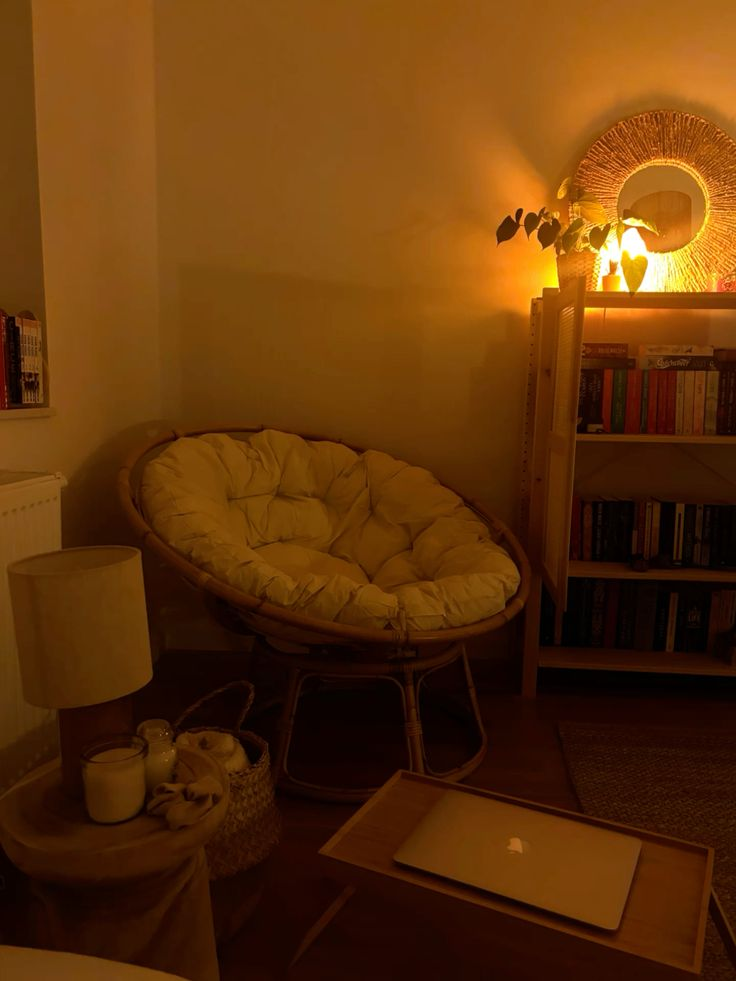
The fastest way to make a corner feel cozy is to lower the visual temperature. Warm, dim lighting signals rest almost instantly, even if the furniture itself is simple.
Avoid relying on bright overhead light for this kind of space. Softer sources placed at eye level or lower create shadows and depth, which makes the corner feel intimate rather than exposed.
If a space feels cold or unfinished, adjust the lighting before changing anything else. A single warm glow can transform the entire mood of a corner without adding clutter.
Use architecture to your advantage

Some of the coziest corners already exist—you just have to notice them. Sloped ceilings, tucked-away angles, and awkward spaces often feel uncomfortable for standard furniture, but they’re perfect for creating an intimate retreat.
Instead of fighting these areas, lean into their shape. Low seating, soft forms, and flexible cushions work better than rigid pieces and make the space feel intentionally designed rather than leftover.
When a corner feels naturally snug, it encourages stillness. Those slightly unconventional spots often become the most loved places in a home once they’re treated with care.
Add personal touches that invite staying awhile
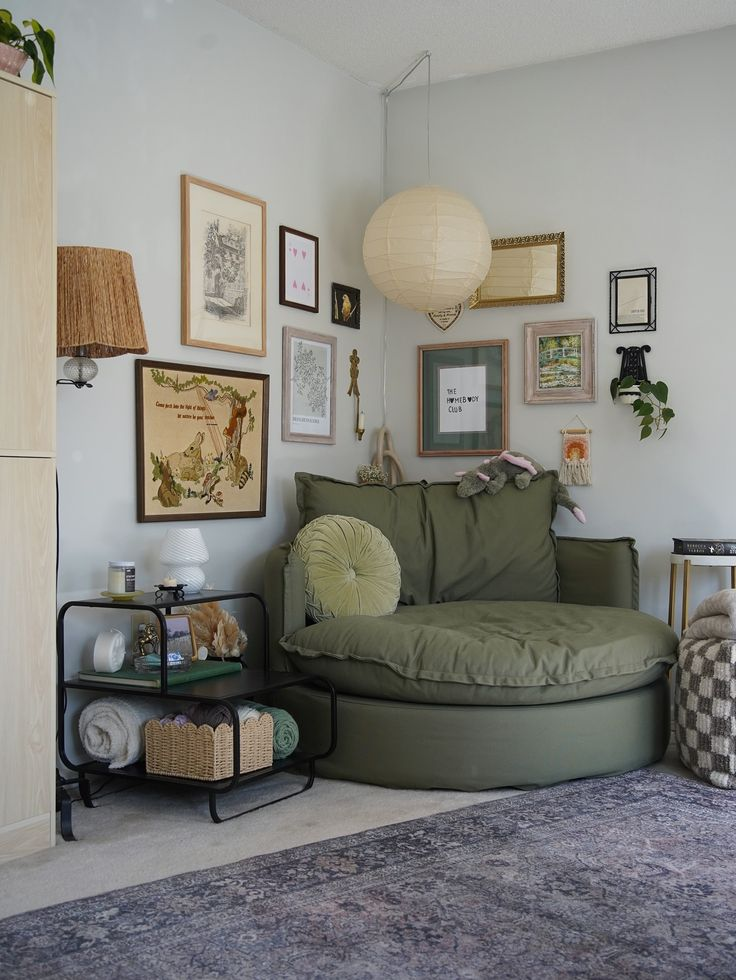
A cozy corner becomes meaningful when it reflects the person using it. Small personal details turn a comfortable setup into a place you actually want to spend time.
Books you’re currently reading, objects with stories, or soft items you reach for often all signal that the space is meant to be used, not just admired. These details create familiarity, which is a big part of what makes a corner feel comforting.
Keep it intentional but relaxed. A few well-loved items will always feel warmer than perfectly curated décor that doesn’t connect to your daily life.
Design the corner around how you actually relax
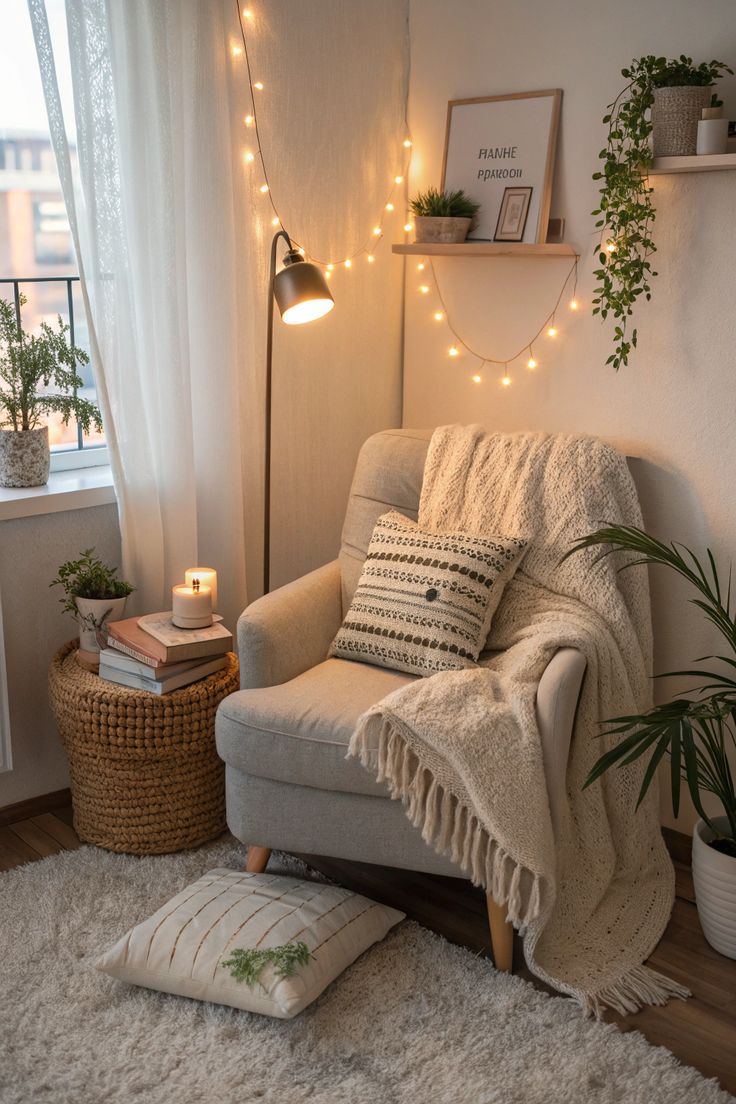
A cozy corner works best when it supports real habits, not an ideal version of them. The most comfortable setups are shaped by what you naturally do when you’re tired or need a break.
If you like reading, make sure the light, seat, and surface all work together without effort. If you tend to sip tea, rest your feet up, or scroll quietly, the corner should make those things easy and comfortable without rearranging anything.
When the space fits your routines, you’ll use it without thinking. That’s when a cozy corner stops being décor and starts becoming part of your daily rhythm.
Mix softness with a sense of personality

A cozy corner doesn’t have to be neutral to feel calming. Adding a bit of character—through pattern, color, or meaningful objects—can make the space feel warmer and more inviting.
The key is balance. Let one or two expressive elements shine while the rest of the corner stays soft and supportive. This keeps the space comforting without tipping into visual chaos.
When a corner reflects your taste instead of a trend, it feels easier to settle in. Familiar colors, favorite textures, or playful details often make a space feel emotionally safe, which is the heart of cozy.
A simple checklist to pull it all together
If you’re setting up a cozy corner from scratch, it helps to sanity-check the basics before adding more.
- One inviting seat you genuinely want to sink into
- Soft layers within reach: throw, cushion, or rug
- A dedicated light that works for your main activity
- A small surface for a book, drink, or phone
- One personal element that makes the space feel yours
If those five things are working, the corner will already feel comfortable. Anything added after that should support how you relax, not just fill space.
Conclusion
A truly cozy corner works quietly in the background of daily life. It doesn’t demand attention or constant styling—it simply feels right when you need it. Comfort comes from thoughtful choices that support how you relax, not from following a rigid formula. When a corner feels easy to use, emotionally warm, and personally meaningful, it naturally becomes a place you return to again and again. That’s the real goal: not perfection, but a space that welcomes you exactly as you are.
Other Articles

15 Smart Bed Nook Ideas That Make Small Rooms Functional
18 Rest Corner Ideas to Create a Peaceful, Relaxing Space
No Comment! Be the first one.