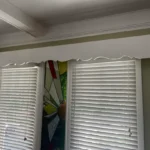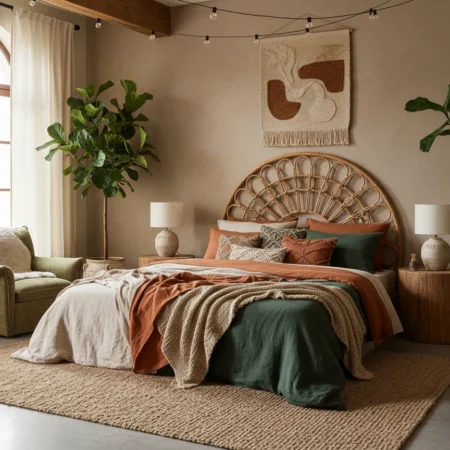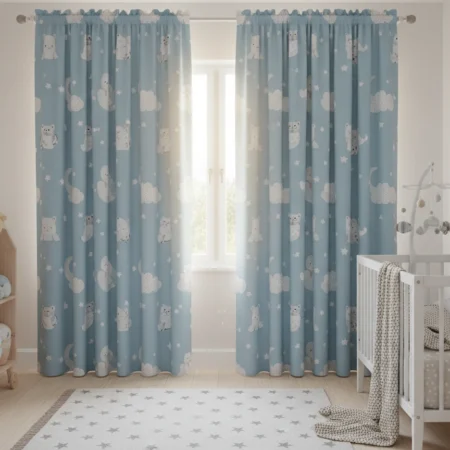


Ever sit in your living room and think, “Something’s missing”? Nine times out of ten, it’s the windows. They frame your view, set the mood, and totally change how cozy (or polished) the room feels. If you’re wondering how to give your space that warm, modern farmhouse vibe without overcomplicating things, you’re in the right place. Here’s the thing: you don’t need designer budgets or fancy tricks. With the right window treatments, you can soften hard lines, control light, and make your living room feel welcoming in a couple of afternoons. Don’t sweat it—keep it simple, and let’s walk through easy, gorgeous options you can actually do.
What makes a modern farmhouse window look work
Before we get into the ideas, a quick cheat sheet. Modern farmhouse style blends clean, unfussy lines with natural textures and soft neutrals. Think matte black hardware, warm wood, stone, linen, cotton, and subtle stripes or checks. The goal is comfortable, light, and a touch rustic—without feeling fussy.
Pro tips to keep in mind:
- Stick to a calm palette. Cream, soft white, oat, stone, greige, charcoal, and warm wood tones.
- Mix textures, not noise. Linen + wood, cotton + metal. Avoid too many bold patterns at once.
- Hang high and wide. Mount rods 4–6 inches above the frame (or to the ceiling for drama) and extend 8–12 inches past each side. This makes windows feel bigger.
15 modern farmhouse window treatments I’d use in a living room
1) Linen pinch-pleat drapes
If you want instant polish, this is it. Linen has that relaxed, slightly nubby texture that plays beautifully with farmhouse woods and stone. Pinch pleats add structure so it looks tailored, not sloppy.
- What to choose: 100% linen or linen-blend in soft white, oatmeal, or flax.
- Length: Skim the floor or break by ½ inch. If you love romance, a 1–2 inch puddle looks gorgeous.
- Fullness: Aim for 2x to 2.5x the window width for drapes that look rich, not stingy.
- Key takeaway: Linen + pleats = relaxed but refined.
2) Belgian-style linen sheers
Sheers keep it bright while softening glare and hard edges around trim and beams. They’re fantastic if your living room doesn’t need heavy privacy.
- Pair with a matte black rod and rings for that modern touch.
- Inside a sunny room, sheers filter light like a soft lamp—lovely during the day.
- Layer with a shade if you want more privacy at night.
- Key takeaway: Use sheers to brighten and blur—light without the harshness.
3) Woven wood shades (bamboo, grasses)
These bring warmth and texture instantly. They’re the “basket” note that modern farmhouse rooms crave.
- Choose light to medium wood tones: honey, pecan, ash.
- Ask for a privacy or room-darkening liner if your neighbors are close.
- Inside mount for a clean, tailored look; outside mount if you want windows to read larger.
- Key takeaway: Natural texture = instant farmhouse warmth.
4) Flat-front Roman shades (linen or cotton)
Roman shades feel crisp and custom without being showy. Flat fronts keep things modern.
- Great for smaller or awkward windows where full drapes might overwhelm.
- Linen, cotton twill, or cotton-linen blends hold shape well.
- If you’re DIY-curious, Roman kits make this surprisingly doable over a weekend.
- Key takeaway: Clean lines, soft fabric—tailored but relaxed.
5) Tailored café curtains
A sweet nod to farmhouse kitchens that also works in living rooms—especially on windows behind a sofa or in a reading nook.
- Mount halfway up the window with a slim café rod.
- Choose cotton, linen, or a ticking stripe for charm.
- Add a simple box-pleated valance above if you want that layered, cottage feel (keep patterns subtle).
- Key takeaway: Charming, practical, and budget-friendly.
6) Top-down/bottom-up cellular shades
When you want light and privacy, these are champs. They keep a modern profile while solving real-life issues (street view, TV glare).
- Opt for light-filtering in a warm white or cream.
- Top-down mode lets daylight pour in while keeping views private.
- Great behind drapes if you want a layered, custom look.
- Key takeaway: Flexible light control without visual clutter.
7) Plantation shutters (painted white)
Crisp, classic, and durable. They work beautifully with black picture frames, rustic beams, and shiplap.
- Choose a 3–3.5 inch louver for a modern proportion.
- Painted soft white reads fresh; match to your trim color.
- If budget is tight, do the front windows now and add others as you go.
- Key takeaway: Structured, bright, and timeless.
8) Board-and-batten interior shutters
Swinging wood shutters feel handcrafted and cozy, especially on smaller windows.
- Use painted pine or stained oak for an authentic farmhouse note.
- Keep hardware simple: black or oil-rubbed bronze strap hinges.
- Consider split shutters (top and bottom open separately) for flexibility.
- Key takeaway: Old-world charm with everyday practicality.
9) Sliding barn-door shutters
A bold look that doubles as wall art. These are amazing on a feature window or when you want blackout coverage without fabric.
- Mount on a black steel track; keep panel design simple (plank or X-brace).
- Stain to match a coffee table or mantle for cohesion.
- Make sure there’s wall space to slide the panel fully open.
- Key takeaway: Statement-making and super functional.
10) Solar roller shades
When you’ve got a killer view and strong sun, solar rollers are sleek and lifesaving.
- Pick a 3–5% openness to cut glare while keeping your view.
- Color matters: light fabrics bounce heat; darker fabrics sharpen the view.
- Hide the roll in a small fascia for a tidy, modern finish.
- Key takeaway: Control glare, keep the view—very modern farmhouse.
11) Blackout-lined drapes (for TV zones)
If you watch movies in your living room, blackout liner is worth it. The trick is choosing soft fabrics so it doesn’t feel heavy.
- Linen or cotton-blend panels with sewn-in blackout lining block light and protect fabric.
- Use French return rods (curved ends) to cut side light leaks.
- Keep color serene: mushroom, greige, pebble.
- Key takeaway: Cozy nights without the cave vibe.
12) Patterned ticking-stripe panels
A tiny, tailored stripe is very farmhouse but still modern when kept subtle.
- Stick to navy/cream, charcoal/cream, or dove/white.
- Balance stripes with solid pillows and throws—no need to overdo pattern.
- Rings and clips keep the look casual; pleats make it polished.
- Key takeaway: A little pattern, a lot of charm.
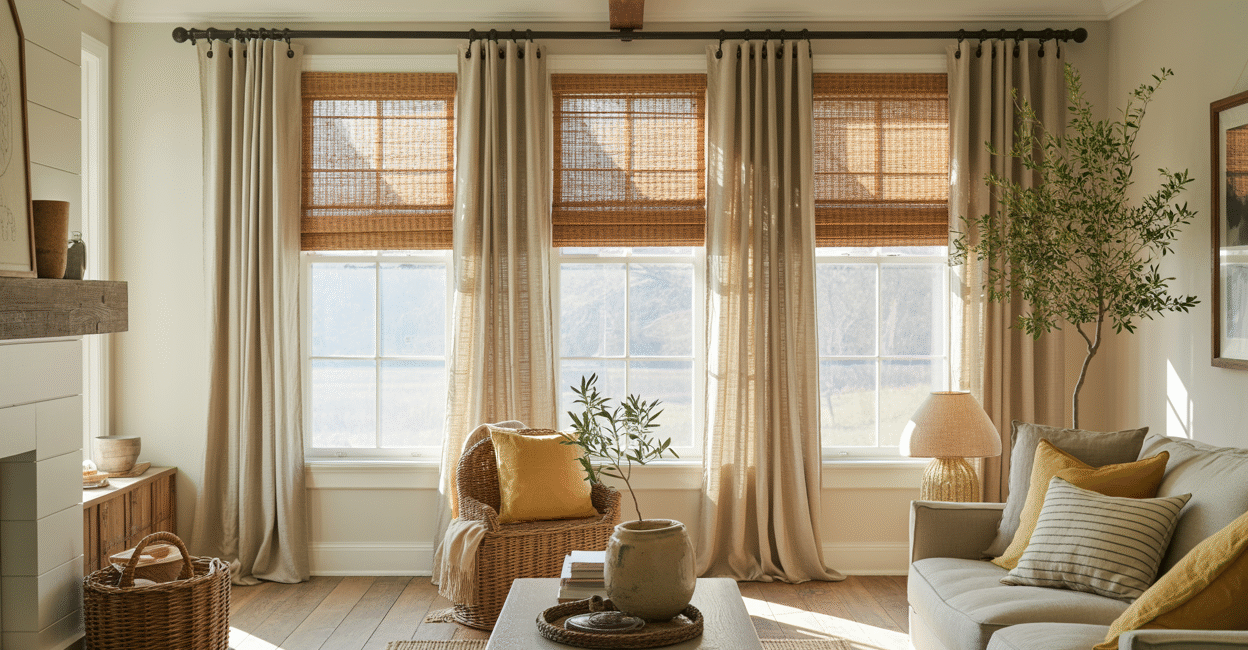
13) Layered look: woven shade + linen drape
This is my favorite “custom” combo that looks expensive but isn’t, if you shop smart.
- Inside-mount woven wood shades, then hang linen drapes wider and higher.
- Choose complementary tones: honey shade + flax drape, ash shade + ivory drape.
- Functionally, the shade handles privacy; the drape adds softness and height.
- Key takeaway: Texture + fabric = designer vibes on a real budget.
14) Simple roller shades with a fabric valance
If you want minimal but not bare, add a soft valance to hide the roll and introduce texture.
- Use linen or linen-look fabric on the valance; keep it boxy and tailored.
- Color-match the shade to your wall for a low-contrast, airy feel.
- Great behind built-in shelves or where drapery panels would be in the way.
- Key takeaway: Streamlined, soft, and space-savvy.
15) Frosted or reed glass film (the no-fabric solution)
For windows that face a walkway or a bright side yard, adhesive films are inexpensive, renter-friendly, and surprisingly pretty.
- Choose frosted, seeded, or reed-textured films for a handcrafted look.
- Install with a squeegee and a spray bottle—it’s super easy and totally removable.
- Pair with a woven shade if you want an extra layer.
- Key takeaway: Privacy and character with almost zero bulk.
How to pick the right treatment (and not overthink it)
Start with your light needs
- Daytime glare? Solar rollers or light-filtering Romans.
- Night privacy? Woven shades with liners, cellular shades, or lined drapes.
- Both? Do a layered combo: shade inside + drapes outside.
Match the weight to the room
- Lots of wood and beams? Balance with softer fabrics so it doesn’t feel heavy.
- Minimal furniture? Add texture (woven shades) so it’s not too flat.
Choose hardware that disappears—or purposefully shows
- Matte black rods and rings lean modern and tie in with door hardware.
- For a softer look, use warm brass or antique pewter.
- Sizing matters: Use a 1–1.25 inch diameter rod for most living rooms so panels glide smoothly.
Bottom line: Pick for function first, then layer in texture.
Measuring and hanging (the simple blueprint)
Getting measurements right is the difference between “store-bought” and “custom look.” Don’t worry—this is straightforward.
For drapery panels:
- Rod height: 4–6 inches above the window; to the ceiling for tall drama.
- Width: Extend 8–12 inches past the window on each side so panels don’t block glass.
- Panel width: Total fabric should be 2x–2.5x your window width.
- Length: Skim the floor or break by ½ inch for crispness; puddle 1–2 inches if you love cozy.
For inside-mount shades:
- Measure the exact inside width and height in three places, use the smallest.
- Most vendors subtract ⅛–¼ inch for clearance—double-check their policy.
- If your trim isn’t square, outside mount and add 2–3 inches on each side to block light gaps.
Pro tip: If in doubt, go higher and wider. It makes windows feel grand and the whole room looks more finished.
Color and fabric cheat sheet (so you don’t get stuck)
- Best farmhouse neutrals: ivory, natural, flax, light stone, warm gray, greige.
- Soft contrast: charcoal, iron, espresso (for rods or subtle pattern lines).
- Patterns that play nice: ticking stripe, mini checks, herringbone, subtle plaid.
- Fabric picks: linen, linen-blend, brushed cotton, cotton twill. Avoid shiny synthetics; they fight the farmhouse vibe.
Try this combo: flax linen drapes + honey woven shade + matte black rod. It’s simple, warm, and works with almost any sofa color—from camel leather to gray boucle.
Budget and DIY shortcuts that still look chic
- Prioritize the front windows. Do your prettiest combo there, then use simpler shades elsewhere.
- Clip rings are your friend. They make off-the-rack panels hang straighter and slide better.
- Iron-on hemming tape gives you a perfect length in 15 minutes—no sewing required.
- Mix sources smartly: affordable woven shades + better-quality linen panels = balanced spend.
- Reuse rods. Swap finials for a new look and keep the same hardware holes (thank me later).
Common questions I hear (and what actually works)
“Will white look too stark?”
Go soft white or cream instead of optic white. It’s gentler against rustic woods and stone.
“Do I need blackout?”
Not always. Light-filtering is fine for many living rooms. If you watch TV by day or get a lot of glare, consider solar rollers or add blackout lining to drapes.
“What if my windows are all different sizes?”
Use the same fabric and hardware throughout to unify the room. Adjust lengths or add a valance where needed to keep lines consistent.
“Can I mix stripes and plaid?”
Yes—keep one subtle and let the other be the star. Stay within the same color family for harmony.
Quick start plans (pick your path)
Cozy & classic
- Linen pinch-pleat drapes in flax
- Woven wood shades inside mount
- Matte black rod with rings
Result: warm texture, great privacy, timeless.
Bright & minimal
- Solar roller shades at 5% openness
- Slim fascia to hide the roll
- Optional linen sheers on a thin rod
Result: glare-free, modern lines, airy.
Charming farmhouse
- Ticking-stripe panels
- Café curtains on lower sashes
- Antique brass café rods
Result: sweet, layered, and super inviting.
Final thoughts (and a gentle nudge)
Modern farmhouse living room window treatments don’t have to be complicated. Start with what you need—privacy, light control, or just softness—and choose the simplest option that solves it. Try one or two ideas to start: maybe woven wood shades and a pair of linen panels, or solar rollers with a fabric valance. Adjust as you live with them. It’s amazing what a few simple touches can do!