



15 Smart Bed Nook Ideas That Make Small Rooms Functional
Small rooms don’t fail because they’re small.
They fail because they’re asked to do too much—with no plan.
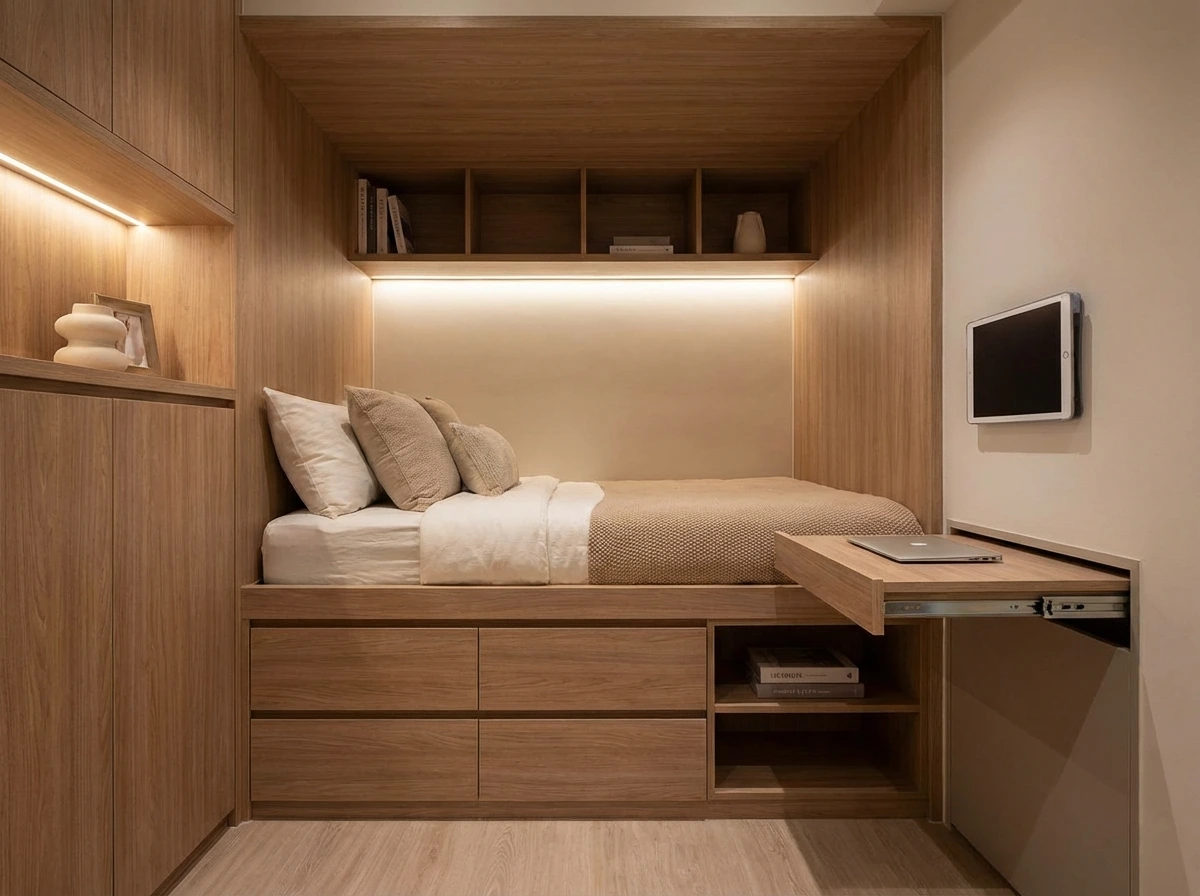
A bed nook changes that. Instead of treating the bed as a giant object dropped into a room, the bed becomes part of the architecture. Storage, lighting, work, rest, and even emotion are designed together, not separately.
Below are 15 fresh, creative bed-nook ideas, each solving a real problem people face in modern homes. These ideas aren’t about trends—they’re about making spaces work better, day after day.
1. The Micro Writer’s Retreat Bed Nook
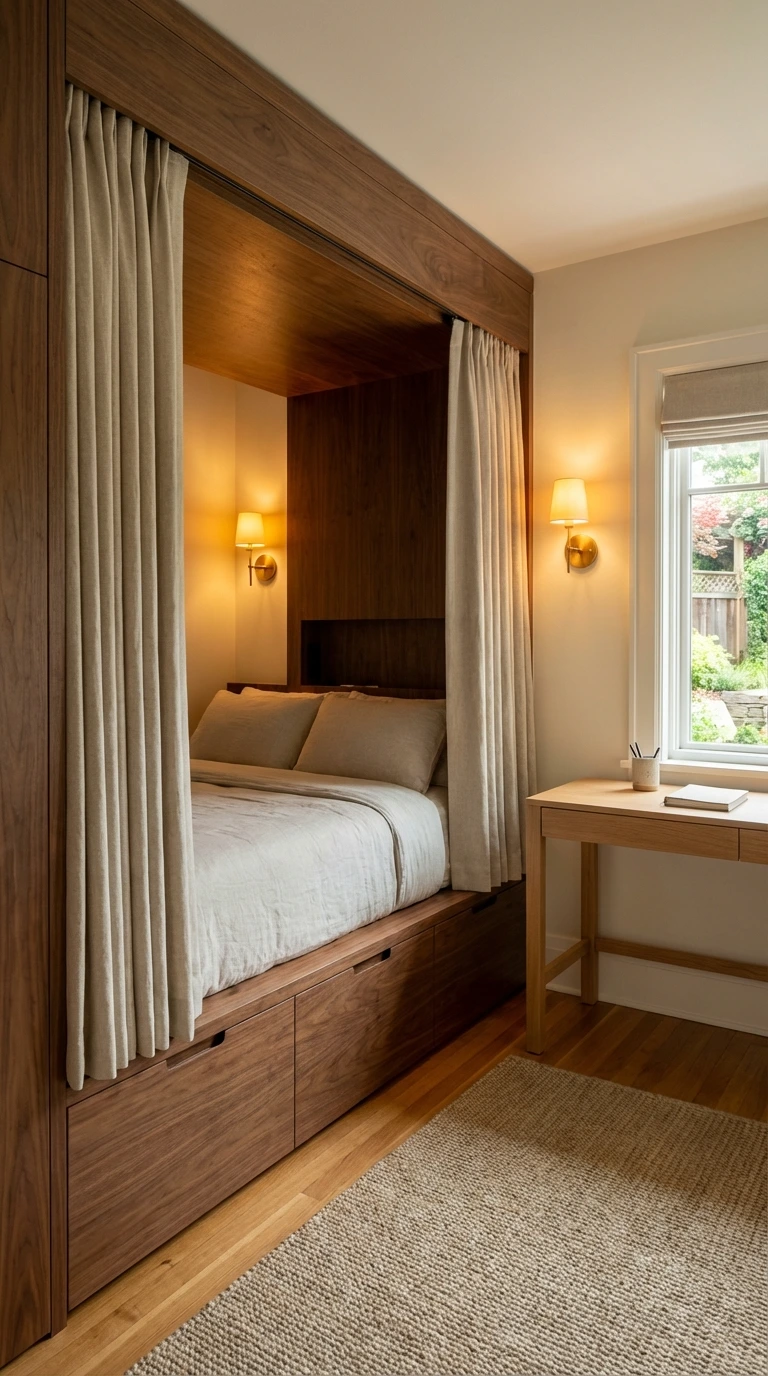
Writers and thinkers often struggle with one big issue: the bed is too tempting.
By recessing the bed into a built-in wooden nook, you visually separate sleep from focus. The curtains frame the bed like a quiet “off switch,” while a slim desk near the window becomes the active zone.
Why this works so well:
- The bed no longer dominates the room visually
- Your brain reads the nook as rest-only space
- Focus improves without adding walls
Best for: writers, students, remote workers, overthinkers at 2 a.m.
2. The Urban Plant-Lover Sleeping Alcove
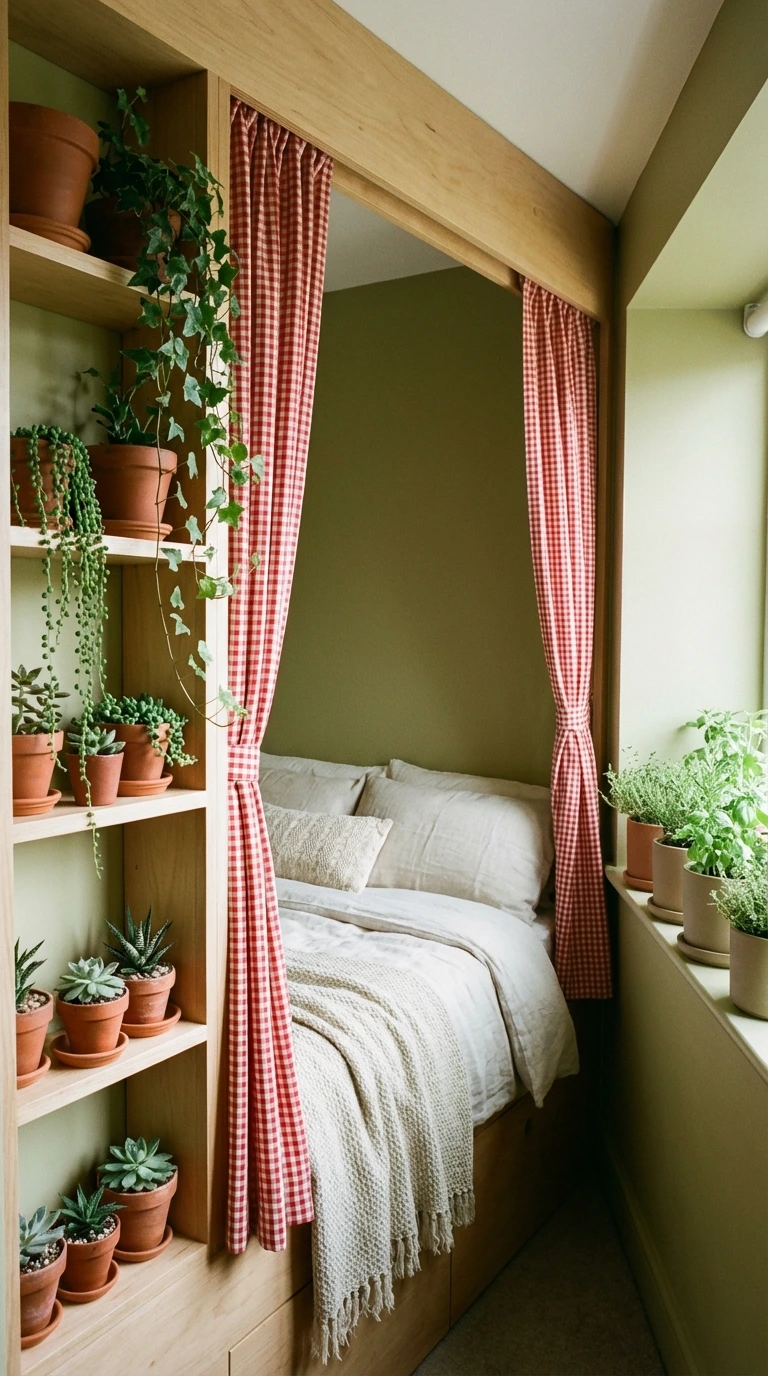
Plants need light. Humans need calm.
Usually, those two things fight.
This bed nook solves the problem by placing greenery where light is strongest—on vertical shelves and window ledges—while keeping the sleeping area visually grounded and soft.
Key benefits:
- Plants thrive without invading sleep space
- The room feels alive, not chaotic
- Maintenance stays simple (no jungle emergencies)
Bonus: waking up next to green leaves beats an alarm clock any day.
3. The Guest Room That Becomes a Day Lounge
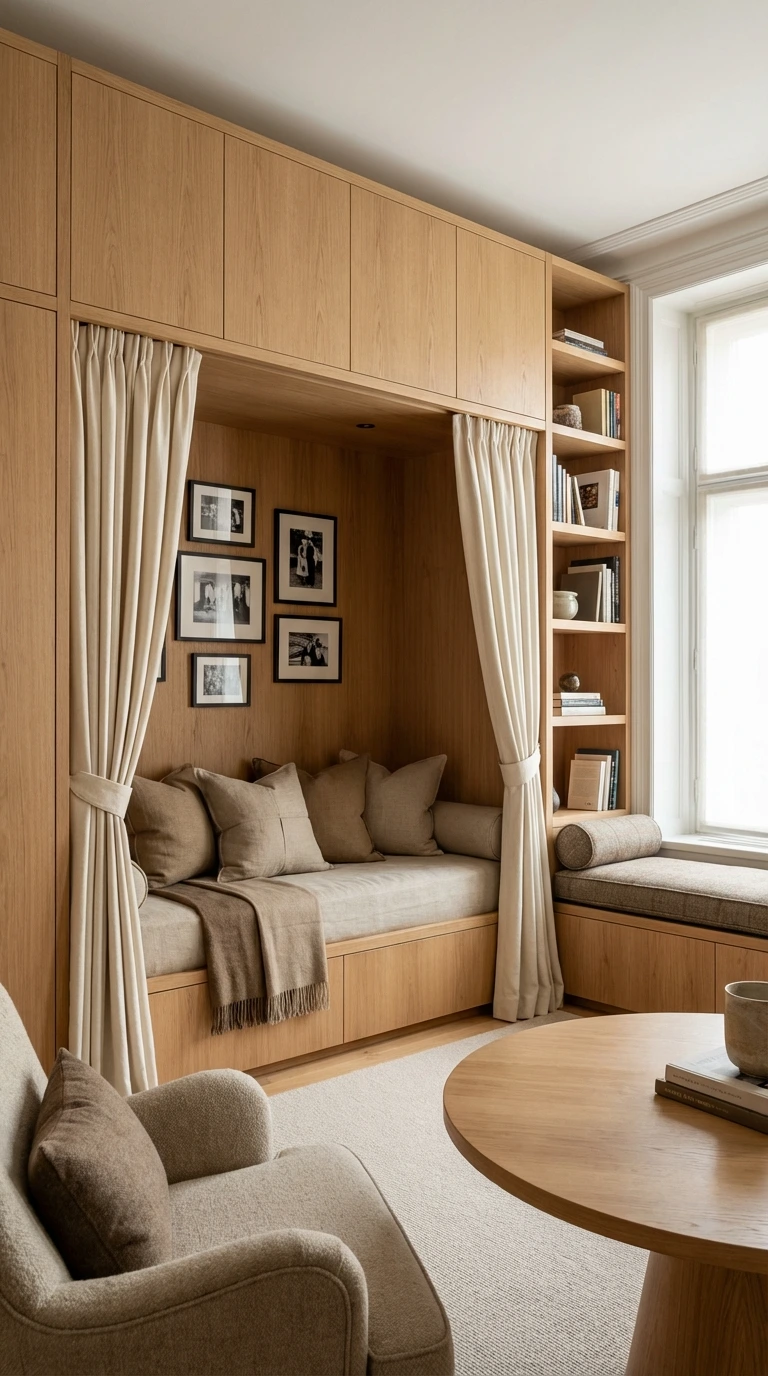
A guest room used twice a year is wasted space.
By designing the bed nook to double as a sofa during the day, the room stays useful year-round. Structured pillows and open curtains make the bed read like seating, not a sleeping area.
This idea solves:
- Limited square footage
- Rooms with single-purpose furniture
- “Why do we even have this room?” syndrome
Perfect for: apartments, small homes, multifunctional households.
4. The Teen Room With Built-In Organization
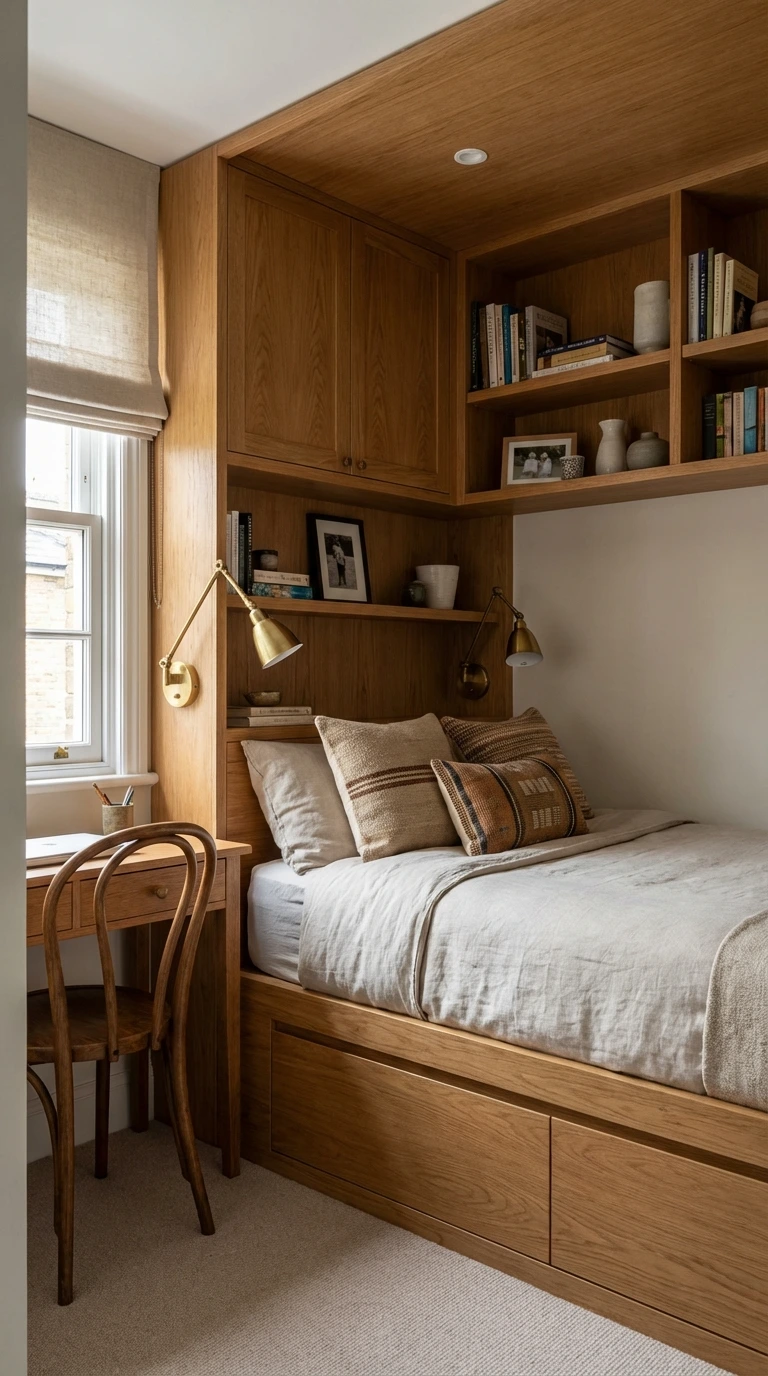
Teen rooms don’t get messy because teens are messy.
They get messy because storage is optional.
A bed nook with built-in drawers and side shelving makes organization unavoidable—in a good way. Everything has a place, and everything is close.
Why parents love it:
- Less visual clutter
- Fewer reminders
- Storage becomes automatic
Why teens love it: it feels grown-up, not controlled.
5. The Recovery-Focused Rest Nook
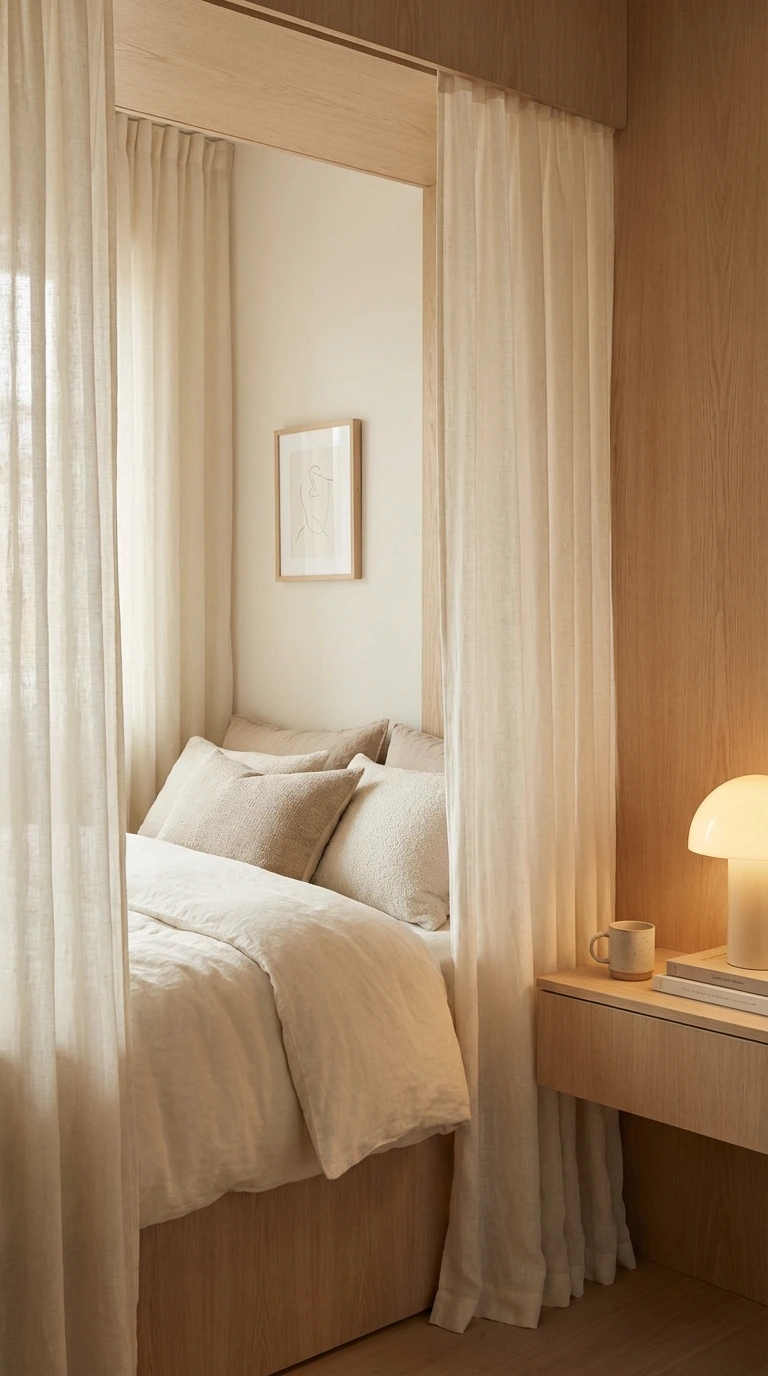
Rest is not just sleep. It’s sensory safety.
This bed nook uses soft enclosure, warm lighting, and minimal visual noise to support recovery—whether from burnout, illness, or life doing what life does best.
Design choices that matter:
- Curtains instead of hard walls
- Low-contrast colors
- Only essential objects nearby
Result: a space that actually helps the body slow down.
6. The High-Value Short-Term Rental Bedroom
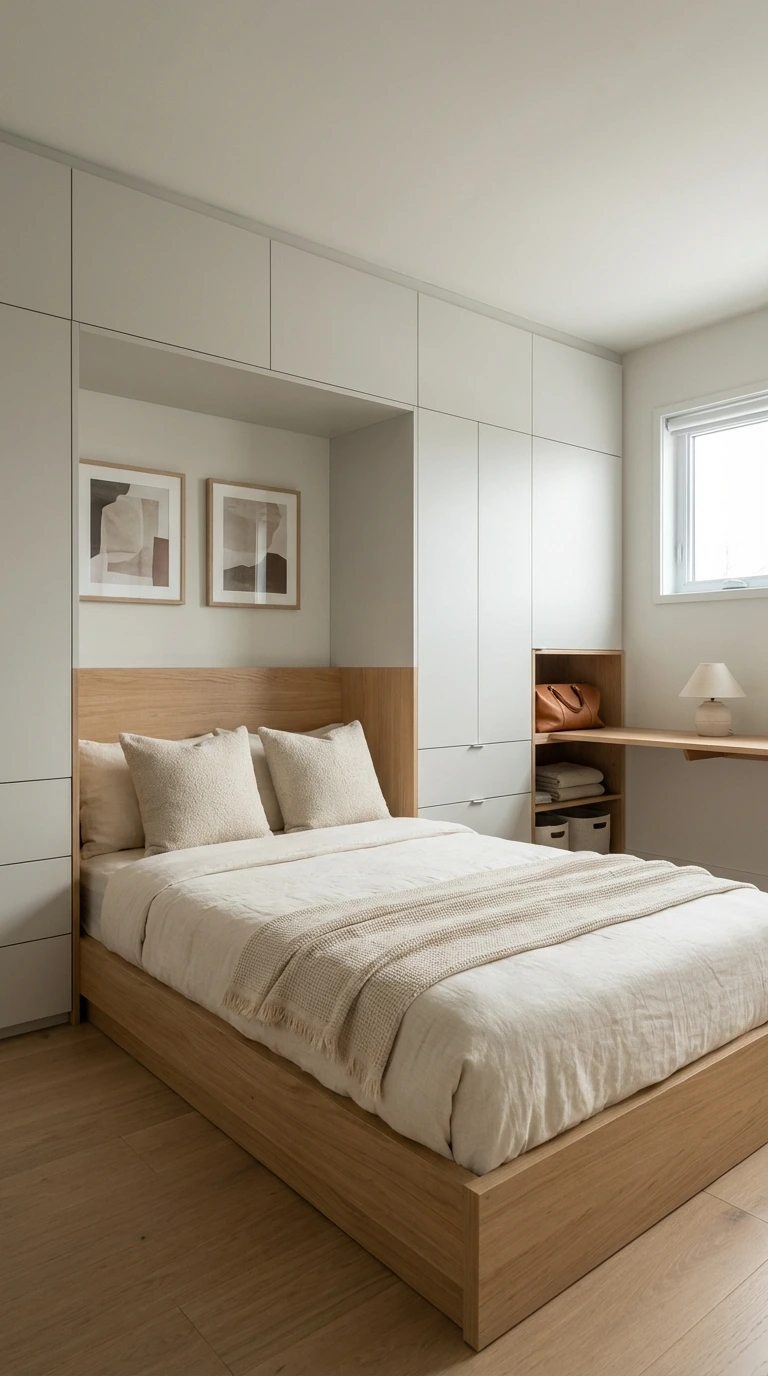
In rentals, furniture breaks. Built-ins don’t.
A bed nook integrated into storage reduces clutter, improves durability, and instantly makes the space feel custom—without expensive finishes.
Why hosts benefit:
- Higher perceived value
- Fewer items to replace
- Better photos (yes, that matters)
Guests feel: calm, cared for, and oddly proud of your design skills.
7. The Child’s Room That Grows Up Gracefully
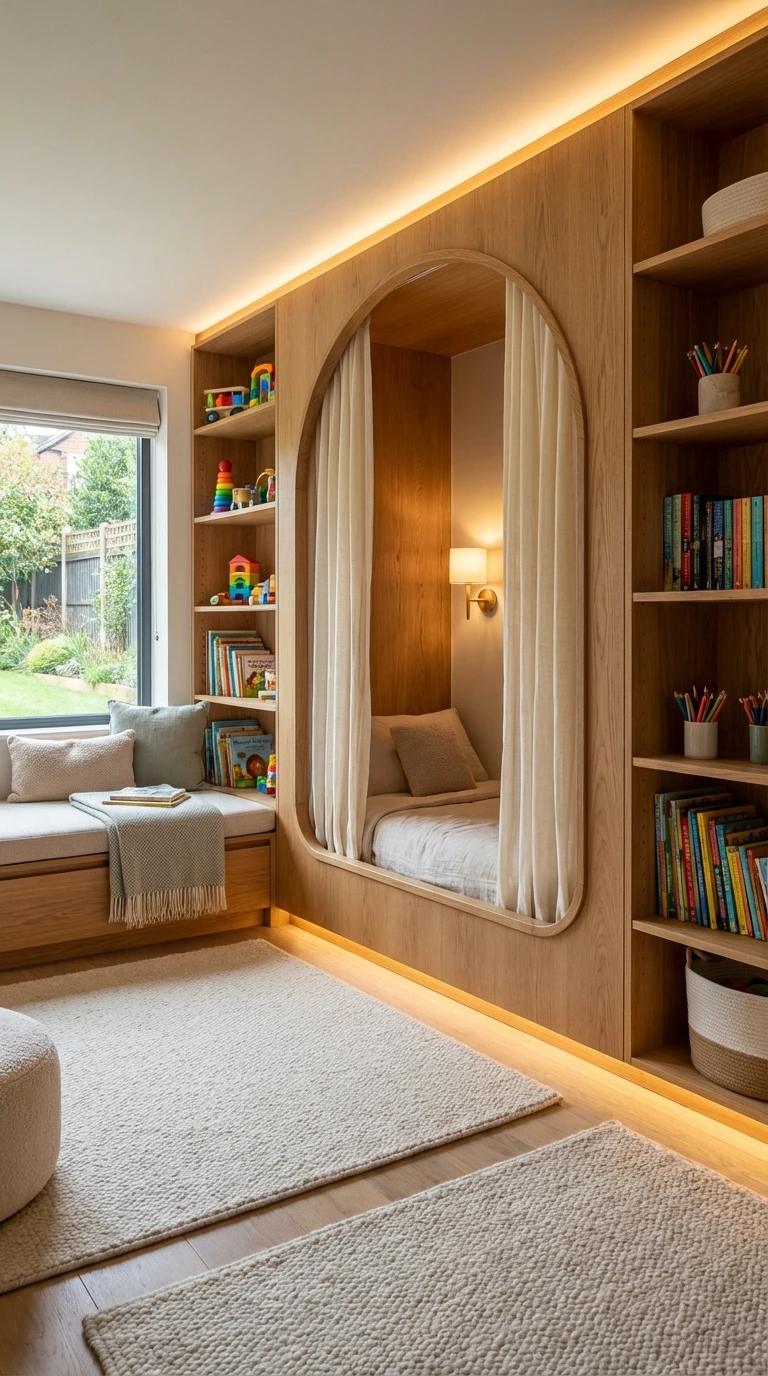
Kids outgrow themes faster than shoes.
This bed nook avoids age-specific decor and focuses on structure instead. Adjustable shelves shift from toys to books to personal items over time.
Long-term advantages:
- No major redesigns every few years
- Less waste
- More emotional continuity for the child
Design rule: build neutral, personalize lightly.
8. The Studio Apartment Sleep-Work Hybrid
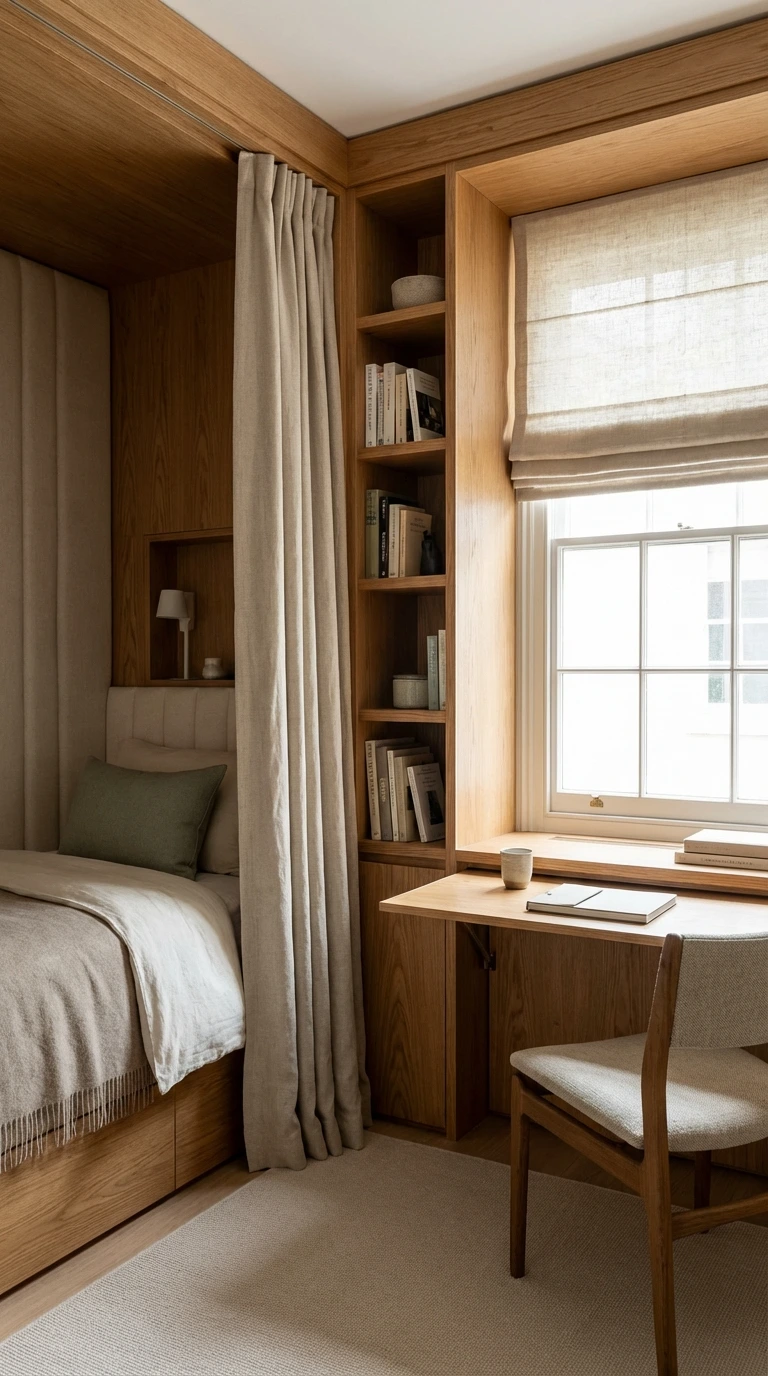
Studio living often blurs everything together—work, rest, stress, snacks.
A bed nook creates a psychological boundary without closing off the space. Curtains signal “rest mode,” while the desk near the window stays active.
Why it works:
- Better sleep quality
- Clearer daily rhythms
- No need for extra walls
Small space tip: your brain needs zones, even if your floor plan doesn’t.
9. The Cozy Vintage-Inspired Reading Bedroom
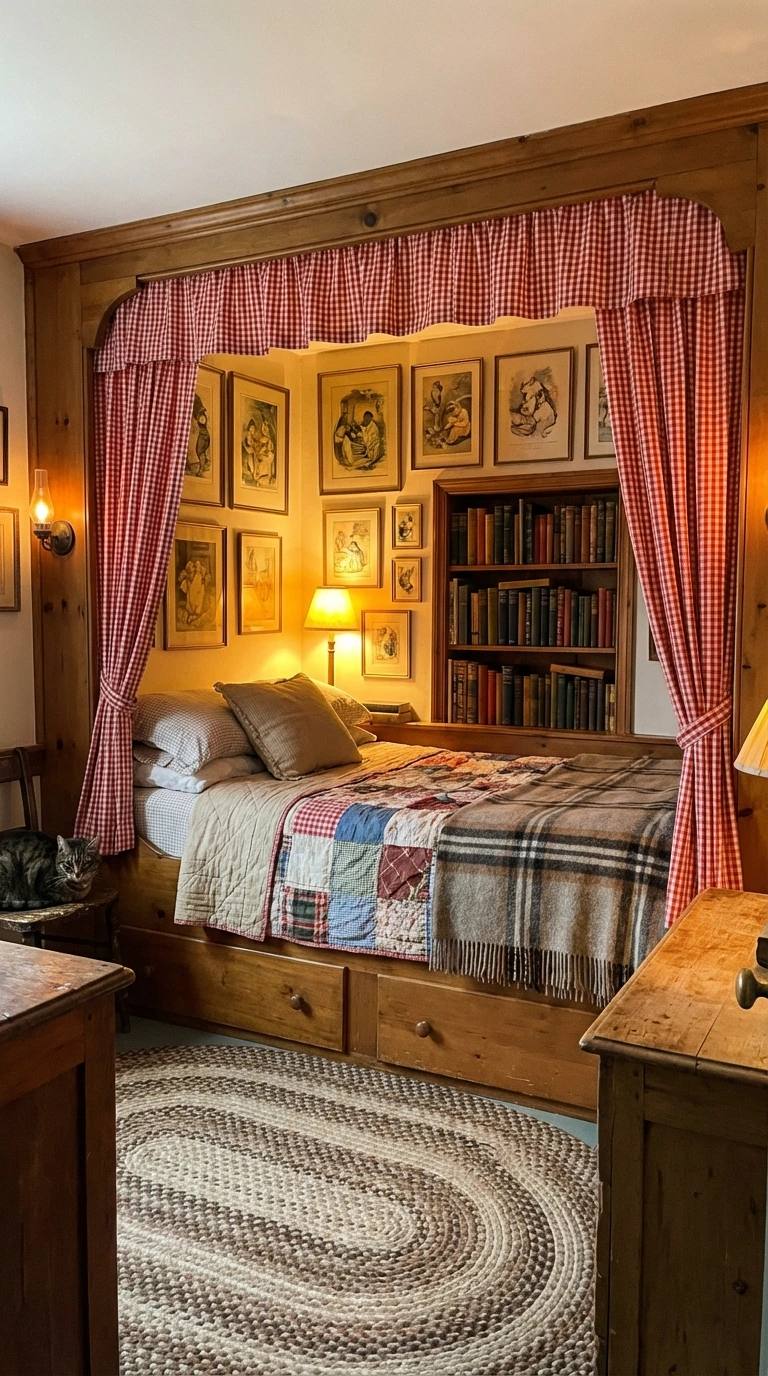
Warmth doesn’t come from more decor—it comes from framing.
This bed nook uses wood, soft textiles, and gentle lighting to create emotional comfort. The bed feels tucked in, safe, and intentionally placed.
What makes it special:
- Enclosure creates intimacy
- Bookshelves stay within reach
- The room feels collected, not cluttered
Perfect for: readers, romantics, and rainy afternoons.
10. The Japanese-Inspired Minimal Sleep Pod
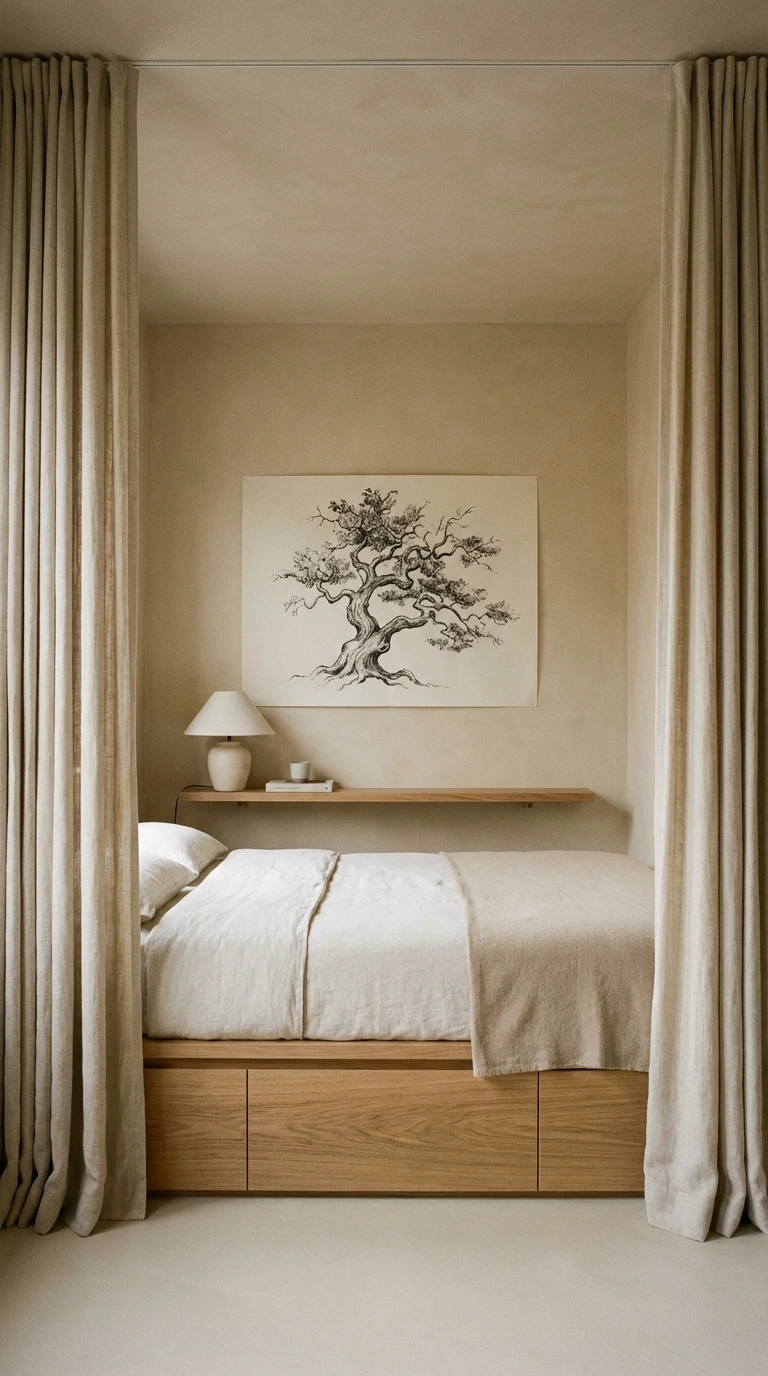
Minimal doesn’t have to mean cold.
This bed nook uses clean joinery, low height, and breathable fabrics to create calm without austerity. Every element earns its place.
Key principles:
- Fewer objects, better placement
- Soft materials balance hard lines
- The bed feels grounded, not exposed
Result: peaceful sleep, fewer distractions, zero drama.
11. The Creative Freelancer’s All-In-One Room
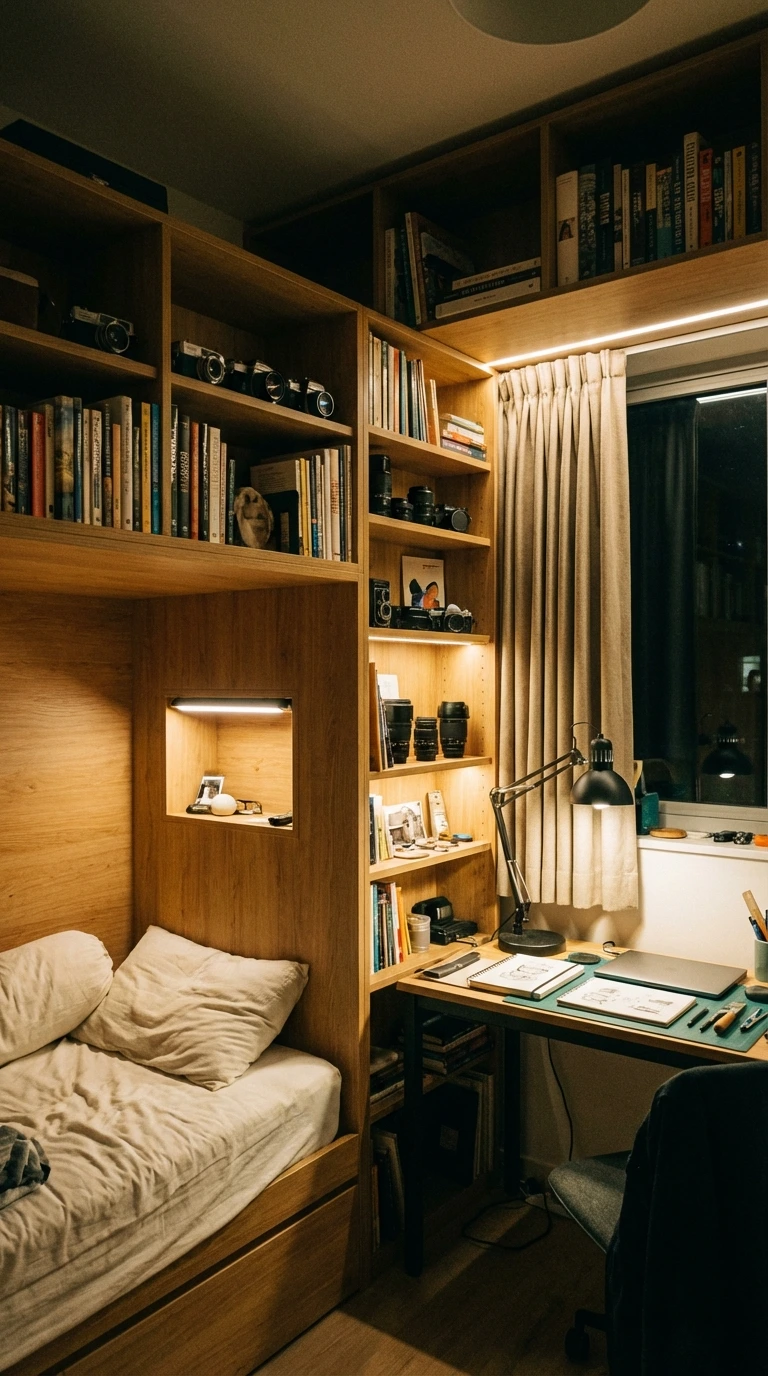
When your bedroom is also your studio, burnout lurks.
A bed nook allows creative tools to live nearby without visually invading the sleep zone. Curtains create a mental reset at night.
Why creatives need this:
- Clear “off” signal
- Reduced visual noise
- Better work-life boundaries
Reminder: creativity needs rest to stay creative.
12. The Climate-Smart Bed Nook for Older Homes
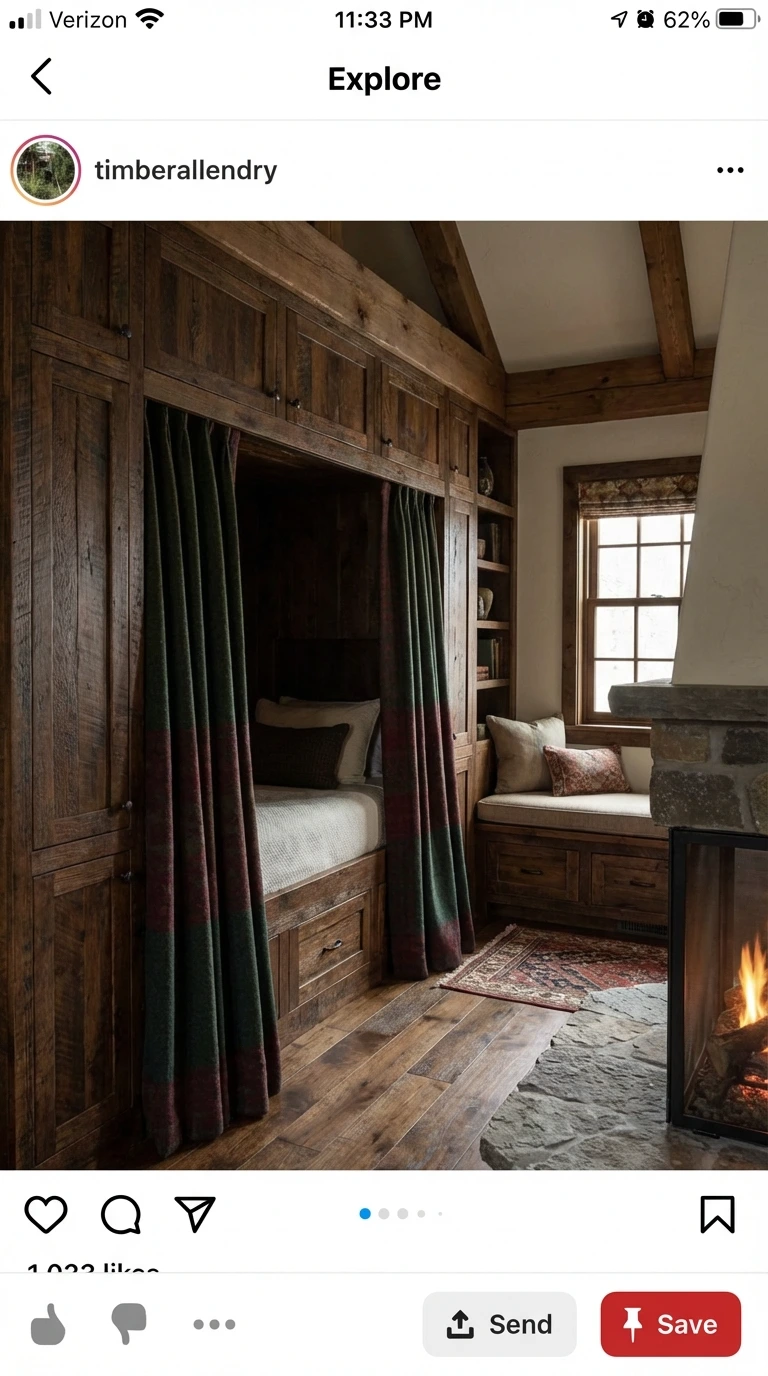
Drafty homes ruin good sleep.
A recessed bed naturally buffers airflow and retains warmth. Add curtains, and you’ve created a cozy microclimate without renovations.
Benefits include:
- Improved thermal comfort
- Lower heating needs
- Better sleep in winter
Old house tip: sometimes design beats technology.
13. The Meditation and Sleep Chamber

Stillness starts with what you remove.
This bed nook strips the room down to essentials. No visual noise. No excess objects. Just space to breathe.
Why it works:
- Reduced cognitive load
- Easier transition into rest
- Supports meditation and sleep equally
Less stuff. More calm.
14. The Dorm Room Upgrade That Changes Everything
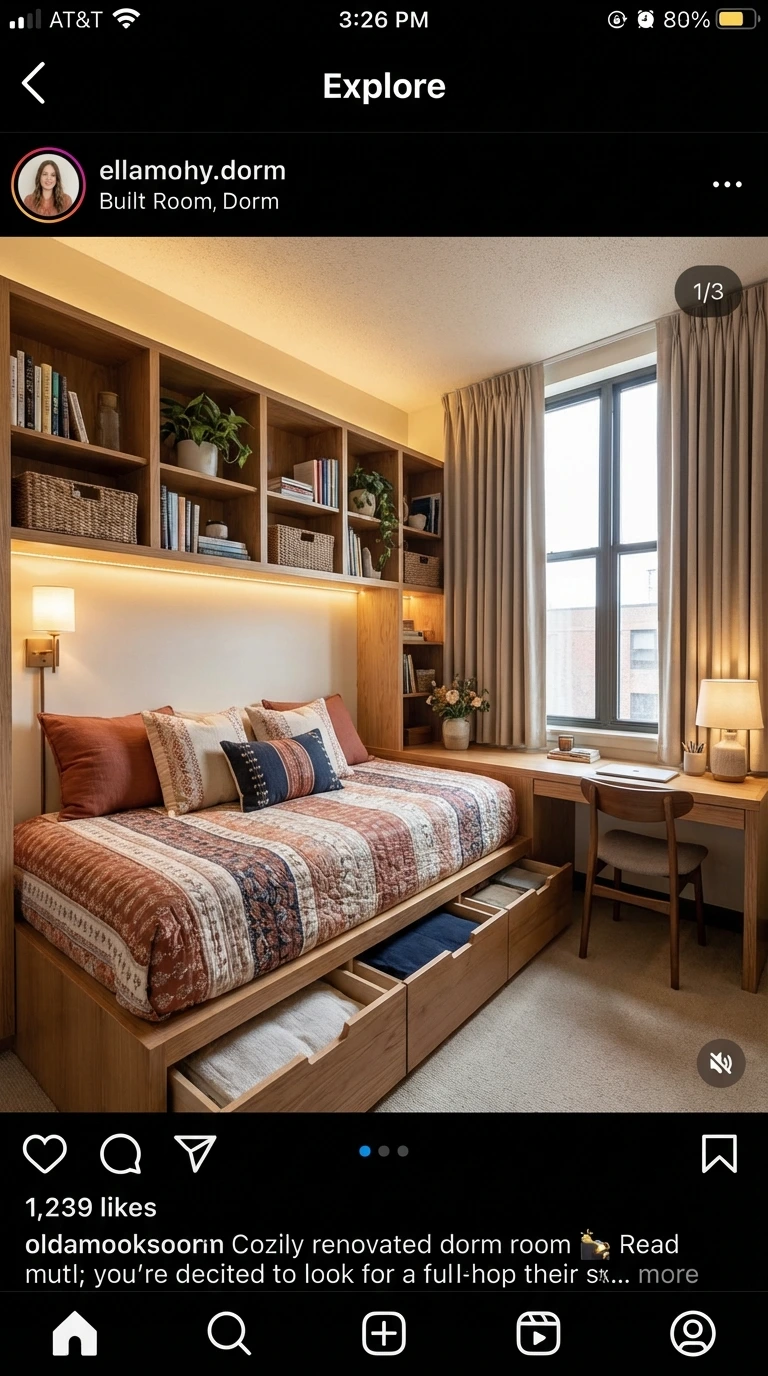
Dorm rooms aren’t cozy by default.
A bed nook layout improves privacy, storage, and comfort—without breaking any rules. Curtains create personal space, and built-in logic replaces chaos.
Students gain:
- Better sleep
- More dignity
- A room that feels like theirs
Parents gain: fewer late-night “I hate my dorm” calls.
15. The Multi-Generational Guest Bed Nook
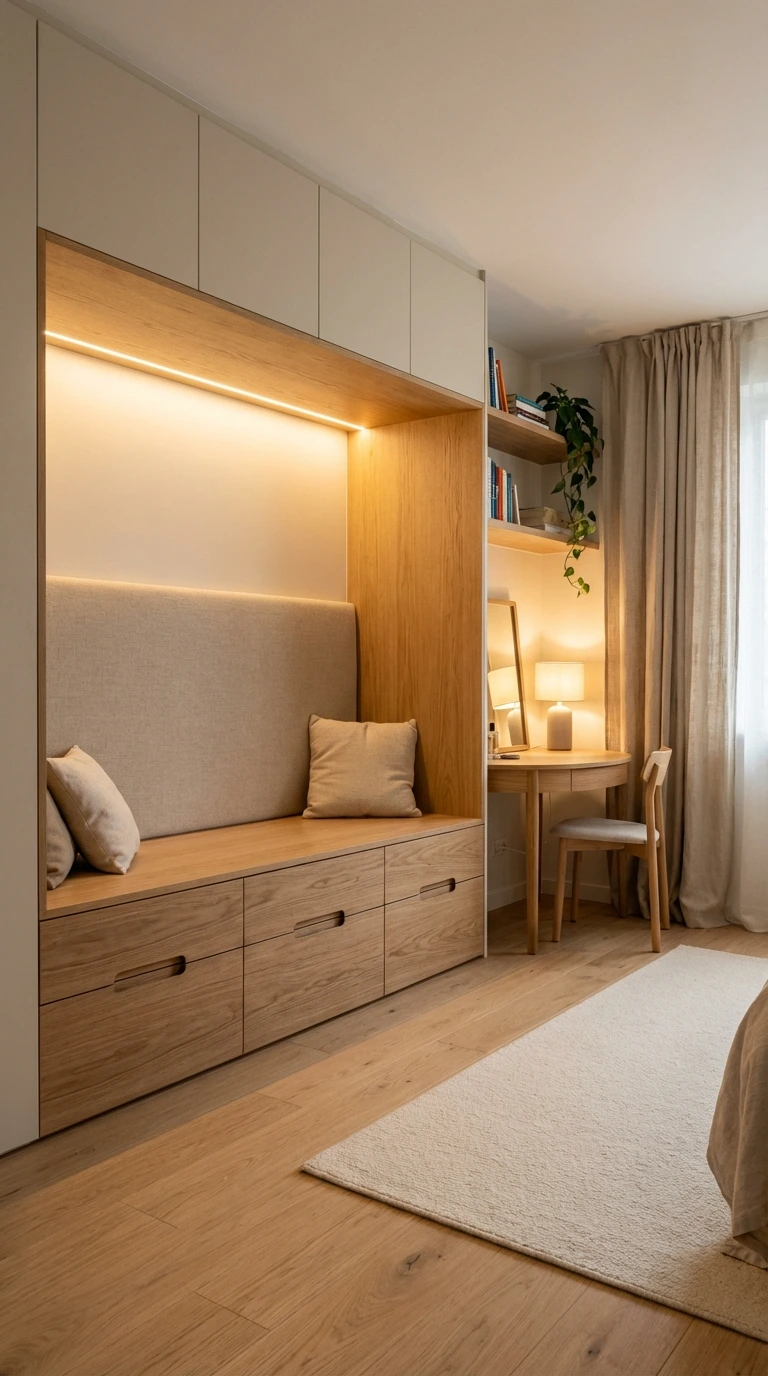
Good accessibility doesn’t look medical.
This bed nook focuses on low entry, easy storage access, and soft lighting—while blending seamlessly into the home’s design.
Why it matters:
- Comfort without stigma
- Safety without hospital vibes
- Inclusion without compromise
Design for dignity always wins.
Final Thoughts: Why the Bed Nook Is More Than a Trend
A bed nook isn’t about style. It’s about how people live.
It helps:
- Reduce clutter
- Create emotional boundaries
- Improve sleep and focus
- Make small spaces feel intentional
When you design the bed as part of a system—not just furniture—everything else starts to work better.
And honestly?
Your room finally stops arguing with itself.
Other Articles

15 Smart Bedroom Concepts That Transform Small Spaces
18 Cozy Corner Ideas That Make You Want to Sit Down and Stay

No Comment! Be the first one.