


10 Handmade Mirror Frame Ideas
Handmade mirror frames let you control style, cost, and character. Whether you want something subtle or sculptural, the right approach depends on materials, room conditions, and how much texture you want around the reflection.
Below are ten ideas that hold up visually and practically.
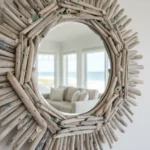
1. Driftwood Mirror Frame
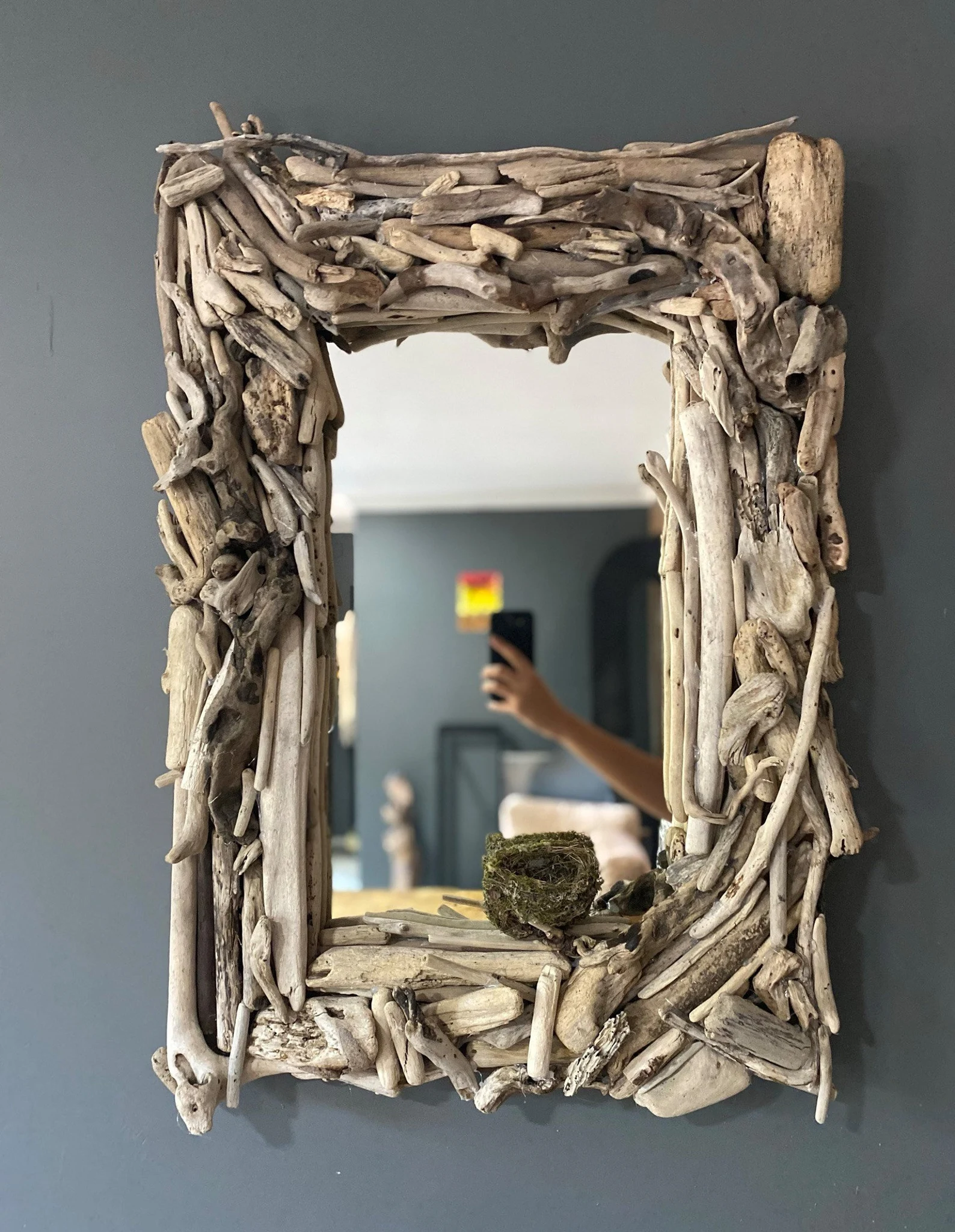
Driftwood works because it’s imperfect by default. Uneven edges and mixed tones feel intentional without extra effort.
What makes it work:
- Lightweight, fully dried pieces
- Loose spacing instead of tight symmetry
- Minimal finish to preserve natural color
Best suited for entryways, bathrooms, and relaxed interiors.
2. Pressed Botanical Frame
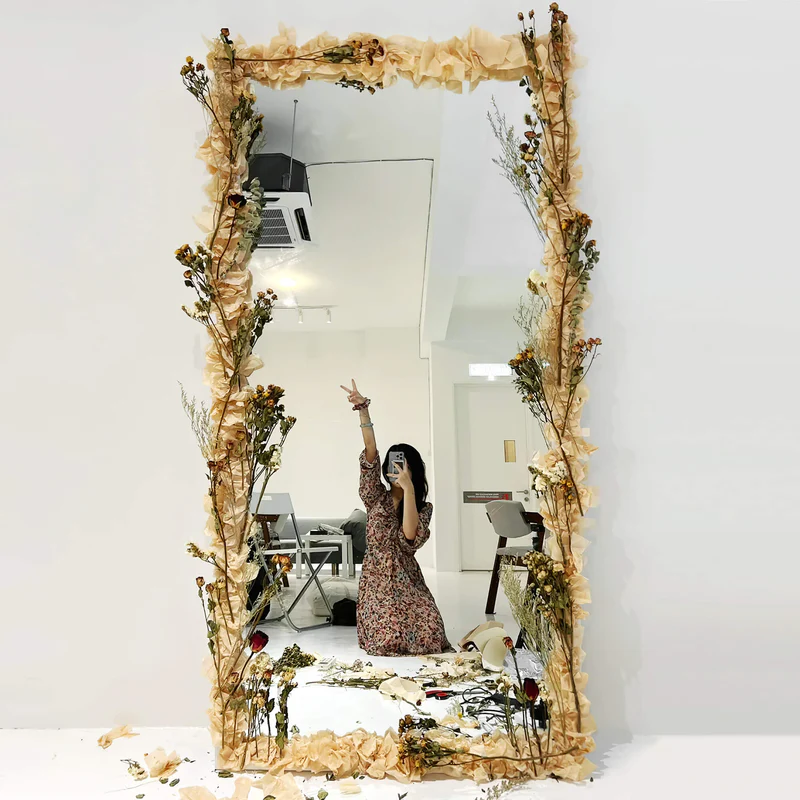
This option leans delicate. Dried flowers or grasses sit flat and are sealed to prevent decay.
Two protection paths:
- Resin for long-term durability
- Glass overlay for a softer, natural look
Works best in dry, low-traffic spaces.
3. Reclaimed Wood Plank Frame
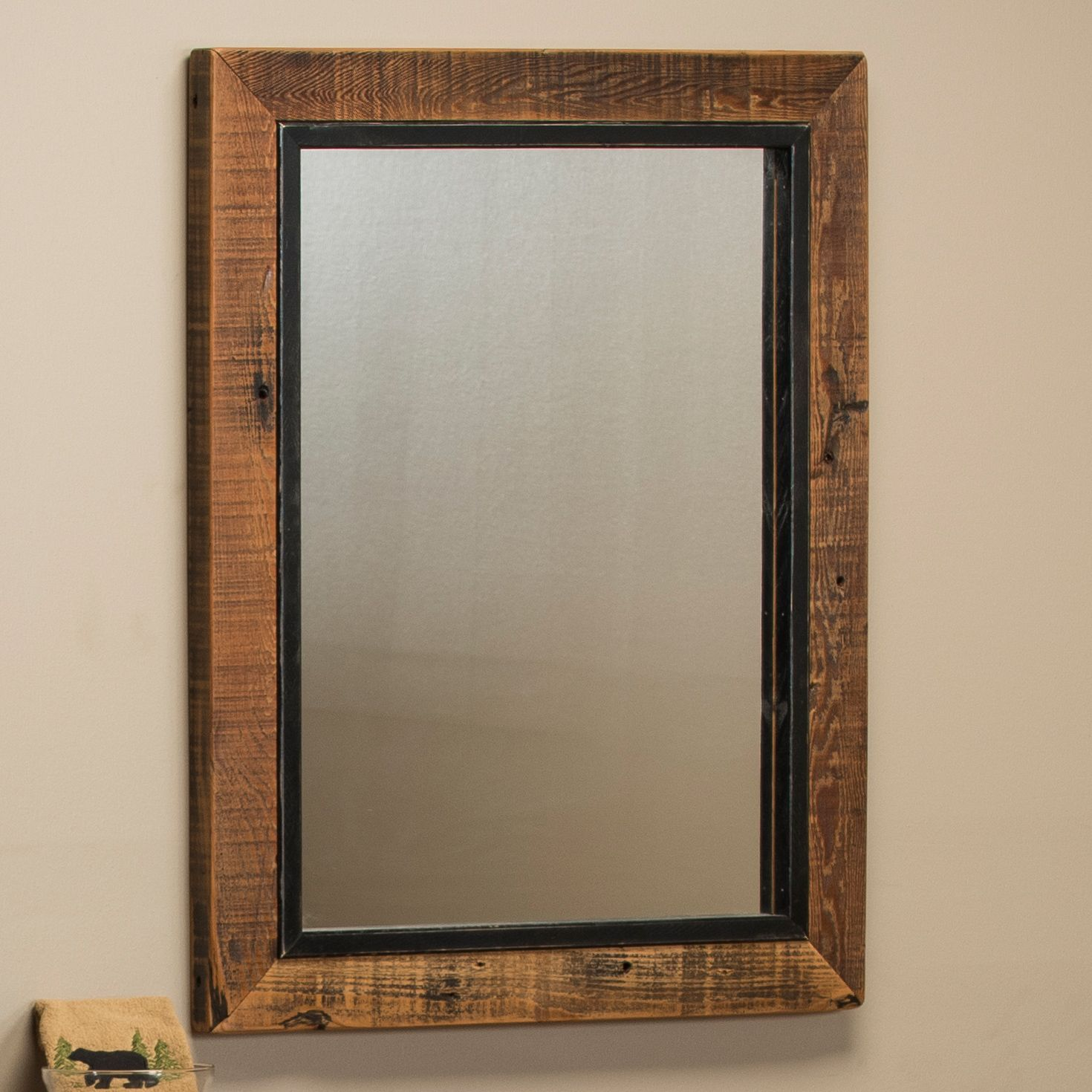
Old boards already carry texture. Nail holes, cracks, and grain variation do the work for you.
Keep it grounded:
- Light sanding only
- Oil or matte sealant
- Straight cuts over decorative edges
A solid choice when you want warmth without ornament.
4. Carved Wooden Pattern Frame
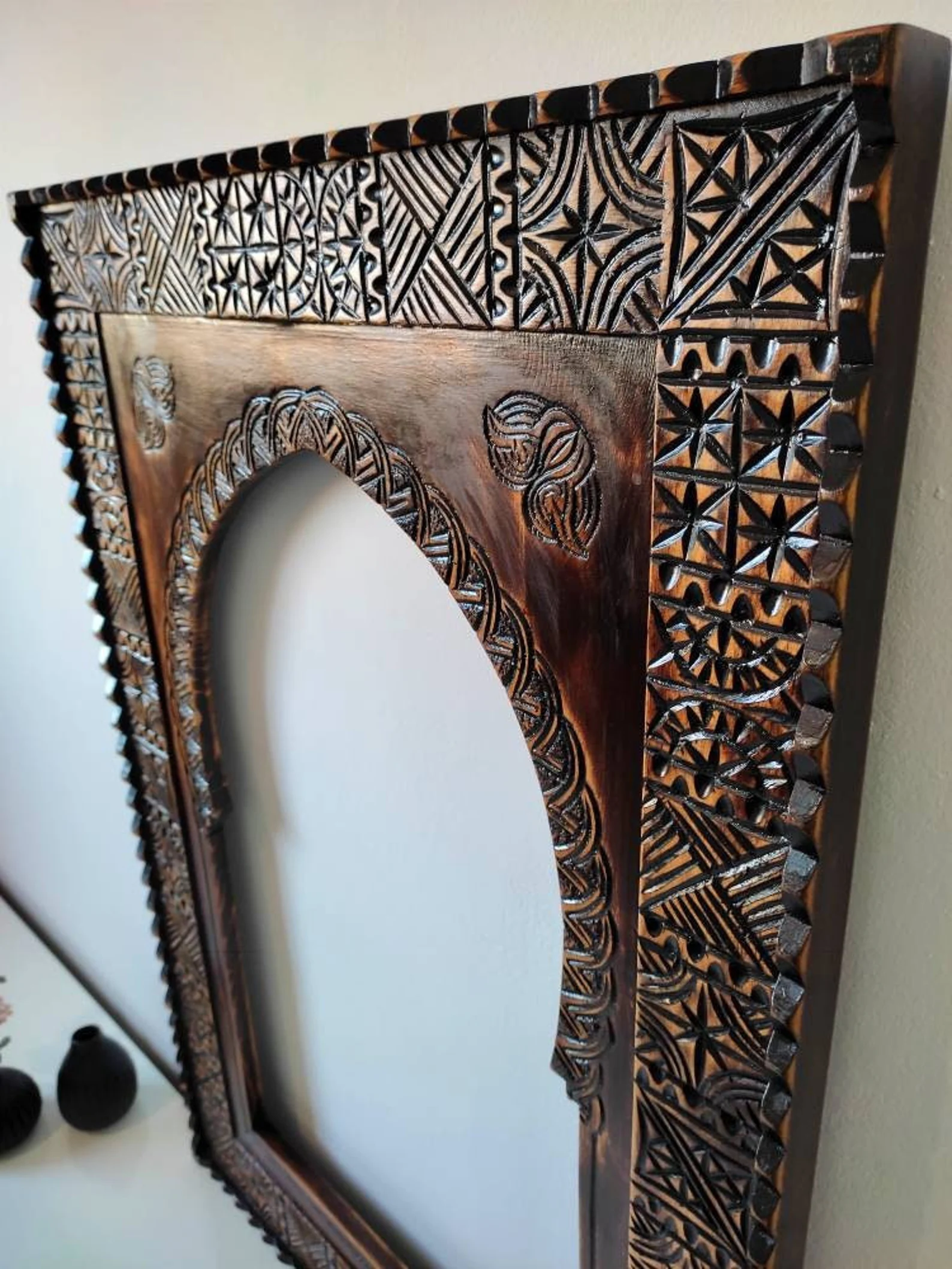
Simple carving adds depth without overwhelming the mirror.
Beginner-friendly patterns:
- Repeating grooves
- Shallow curves
- Clean geometric lines
Thin wood limits depth—keep cuts restrained.
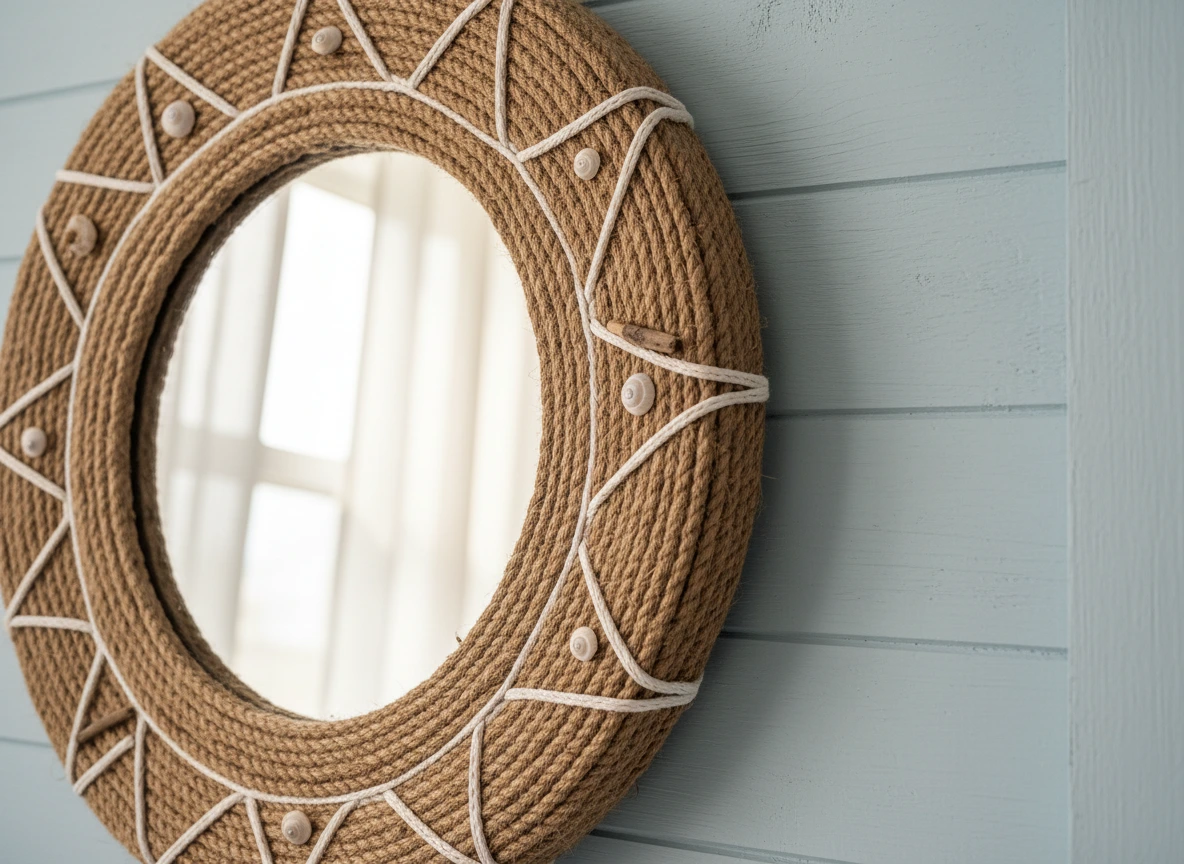
5. Rope-Wrapped Mirror Frame
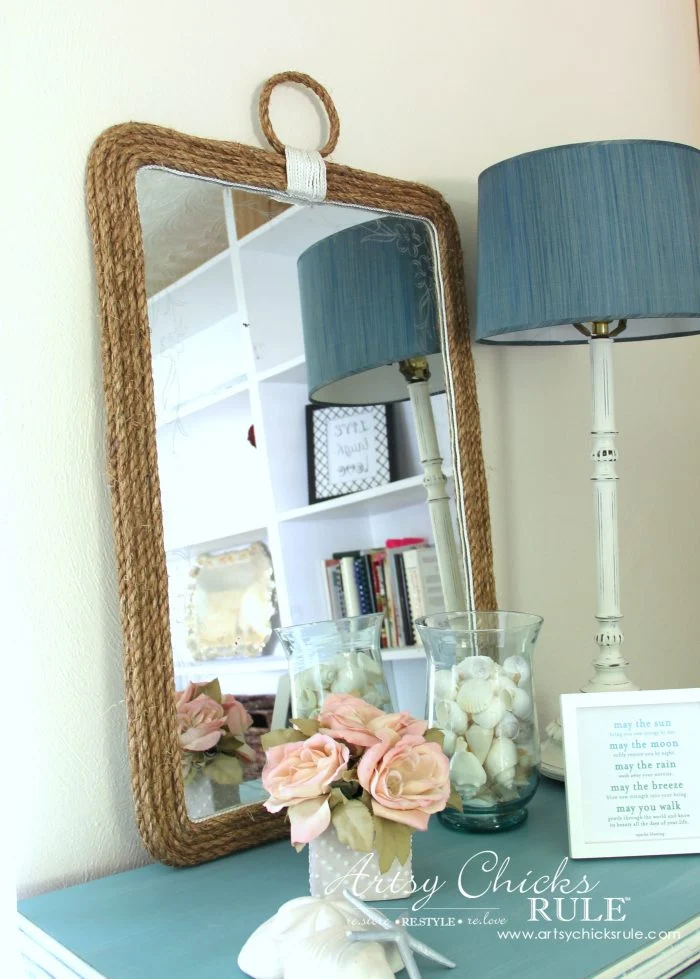
Rope adds texture fast and hides minor construction flaws.
Clean results depend on:
- Consistent rope thickness
- Tight, single-direction wrapping
- Hidden joins on the back
Jute feels casual; cotton reads cleaner and more modern.
6. Fabric-Wrapped Mirror Frame

Fabric softens hard surfaces and reduces visual weight.
Best fabric choices:
- Linen
- Canvas
- Upholstery-weight cotton
Tight corners matter more than bold patterns.
7. Mosaic Tile Mirror Frame
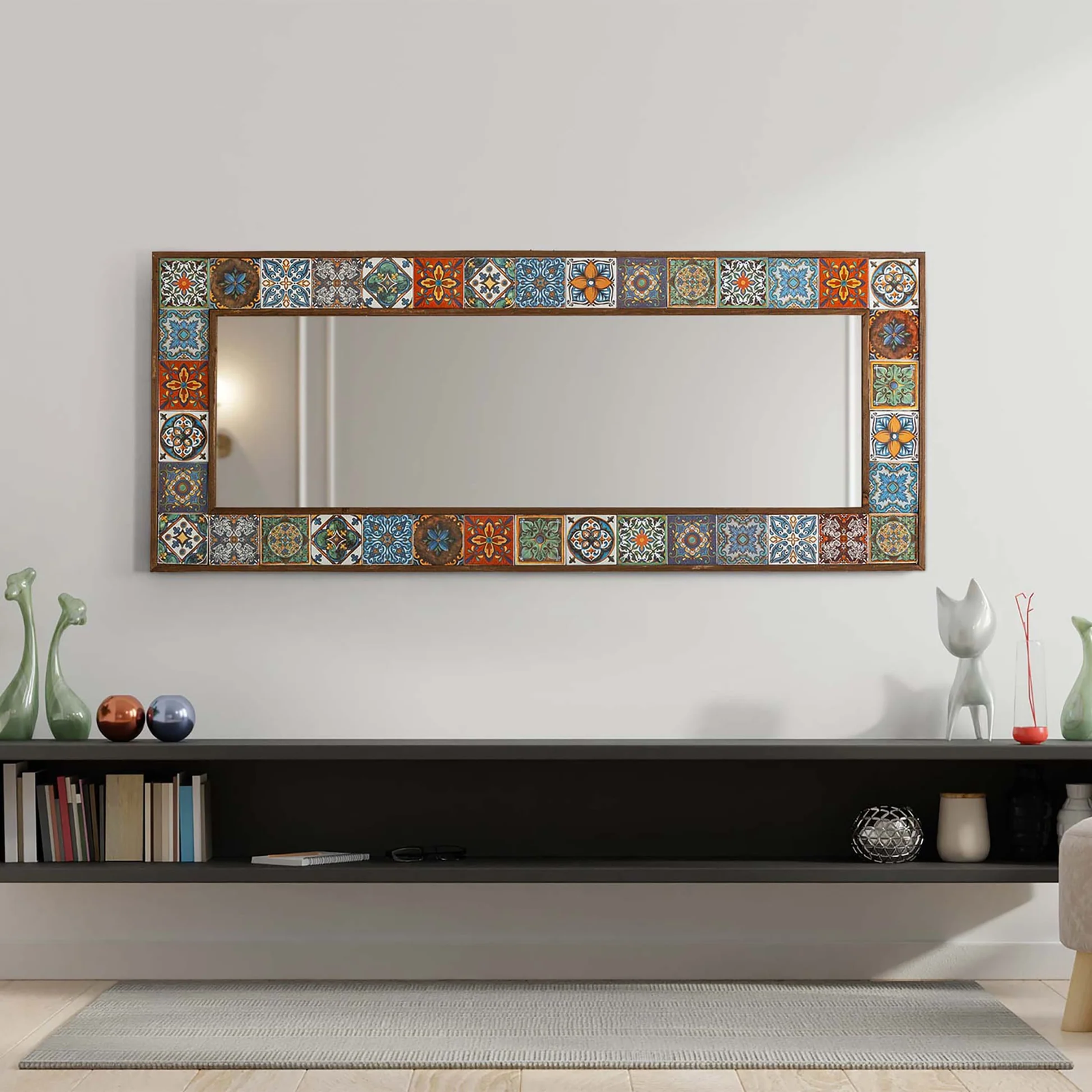
This approach favors color and texture over subtlety.
Key decisions:
- Dark grout for contrast
- Light grout for cohesion
- Strong wall anchors due to weight
Works best as a focal piece.
8. Metal Scrap or Hardware Frame
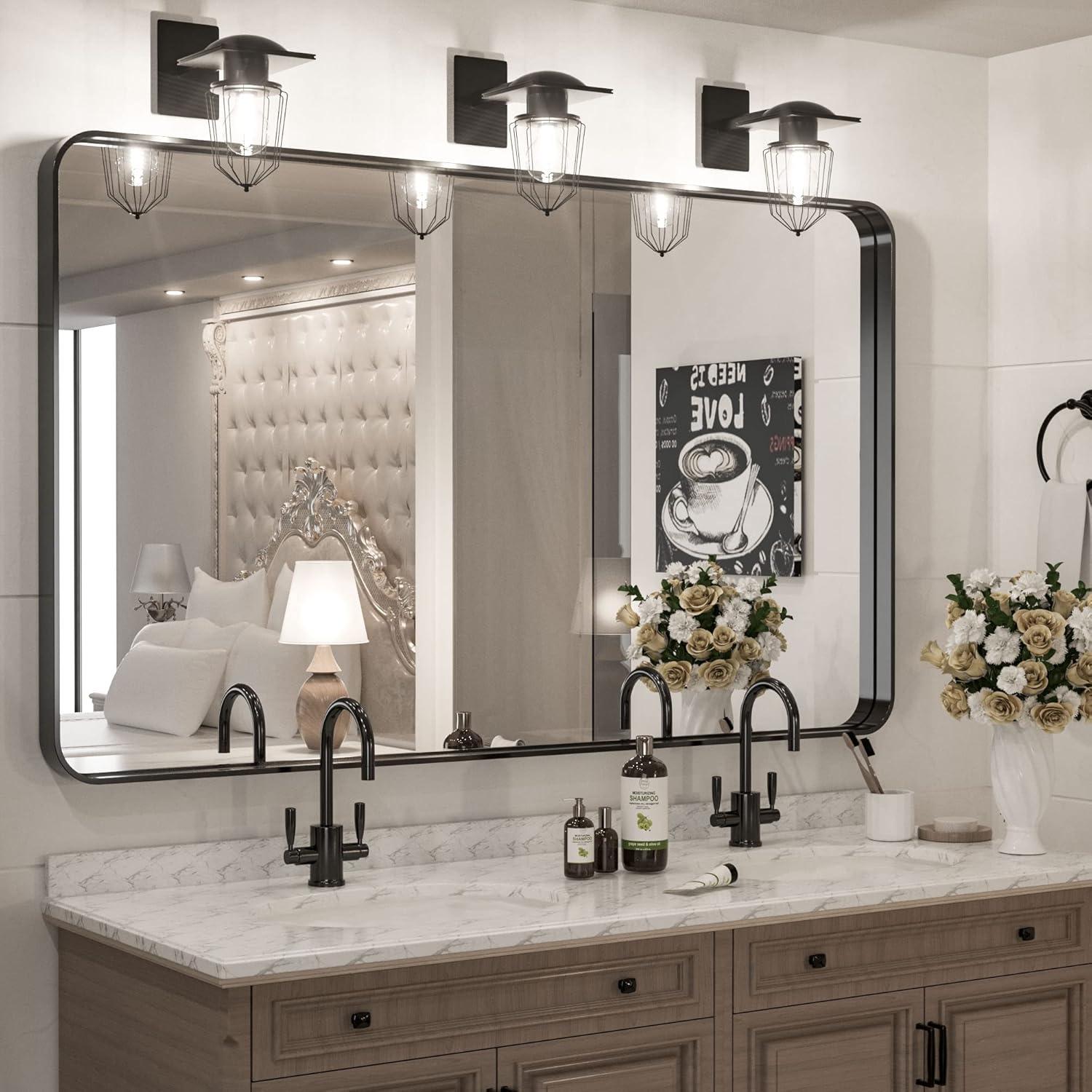
Washers, keys, or brackets create an industrial edge.
Important considerations:
- Filed edges for safety
- Even weight distribution
- Simple mirror shape to balance complexity
Best when restraint guides the layout.
9. Hand-Painted Illustrative Frame
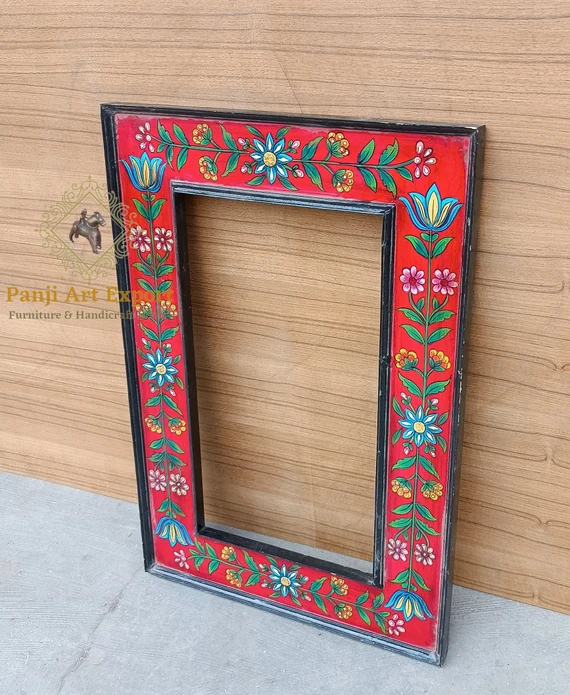
This works when the frame becomes a quiet canvas.
Styles that age well:
- Botanical outlines
- Folk-inspired motifs
- Single-color line work
Matte sealant keeps glare under control.
10. Clay or Plaster Sculpted Frame
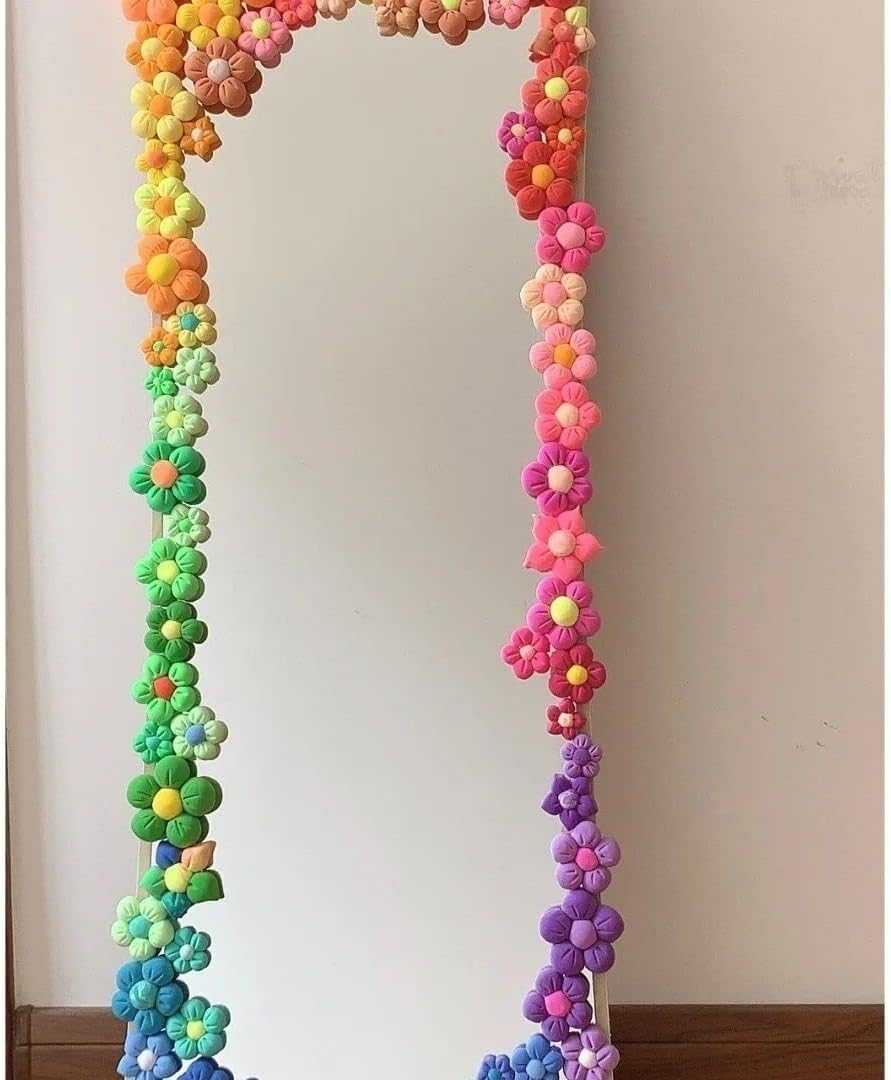
Sculpted frames rely on texture instead of materials.
Material choice matters:
- Air-dry clay for light relief
- Plaster for deeper texture
Shallow designs reduce cracking and excess weight.
Hanging & Longevity Considerations
A strong frame still fails if it’s hung poorly.
- Heavier frames need wall anchors
- All materials benefit from sealing
- Humidity dictates material choice
Longevity depends more on prep than design.
Customization That Actually Improves the Result
Small choices separate thoughtful work from clutter.
- One dominant color over mixed tones
- Intentional gaps instead of full coverage
- Clean inner edges over decorative excess
Mirrors amplify mistakes as easily as details.
Final Thoughts
A handmade mirror frame should support reflection, not compete with it. The best results come from stopping early, simplifying often, and letting materials speak for themselves.
That restraint is what makes the piece feel finished.
Other Articles
10 Creative Mirror Frame Ideas
15 Clay Mirror Decorating Ideas Everyone’s Saving Right Now



No Comment! Be the first one.