


10 Genius Small Living Room Ideas Perfect for Apartments
Small Space, Big Style — It’s Totally Possible
Living in a small apartment doesn’t mean giving up on style or comfort. If anything, it challenges you to be more creative — to make every square inch count. The good news? With a little imagination and some smart design tricks, even the tiniest living room can feel open, inviting, and unmistakably “you.”
Here are 10 genius small living room ideas that prove big design doesn’t require big space — just clever thinking, good flow, and a few cozy details that make your apartment feel like home.
1. Embrace the Power of Multipurpose Furniture

When space is tight, every piece of furniture should earn its keep. The key is to look for items that pull double duty — functional yet flexible.
Picture this: a storage ottoman that hides your throw blankets or games, a sofa bed that’s ready for overnight guests, or a coffee table with lift-top storage for remote controls and chargers.
These aren’t just convenience hacks — they’re space savers that reduce visual clutter. The less you have lying around, the bigger your space will feel.
Pro Tip: Choose furniture with slim legs or open bases. The extra floor visibility creates the illusion of spaciousness, making your living room feel airier without changing its footprint.
2. Go Vertical (Because Walls Have So Much Potential)
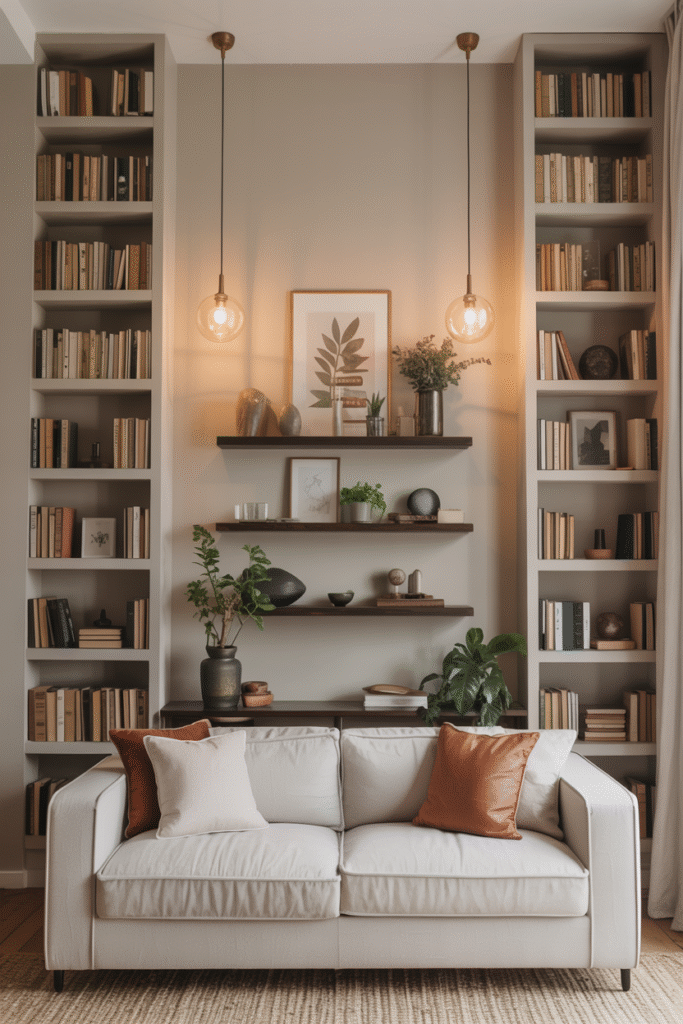
If you can’t go wide, go up. Vertical space is the unsung hero of small apartment living. Floating shelves, tall bookcases, or wall-mounted cabinets can free up precious floor area while still offering plenty of storage.
Try using:
- Floating wall shelves above your sofa or TV for decor and books.
- Tall, narrow shelving units that stretch to the ceiling — they visually elongate the room.
- Wall-mounted lighting instead of bulky floor lamps.
Even hanging your curtains higher (close to the ceiling) gives the illusion of taller windows and a grander space.
Why it works: Your eyes travel upward, making the room feel larger and more balanced.
3. Keep It Light, But Not Bland
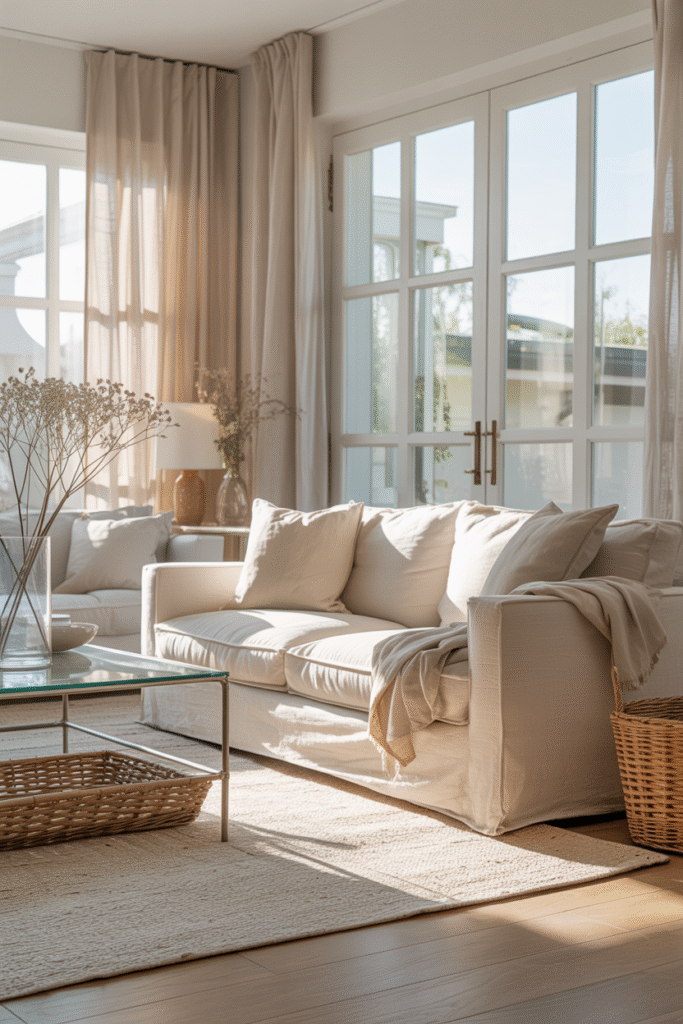
Light colors make small spaces feel open, but that doesn’t mean your living room has to look sterile or cookie-cutter. The trick is to layer shades and textures within a light palette.
Start with soft neutrals — think warm whites, gentle grays, or sandy beiges — and then add subtle contrast through materials. Maybe a linen sofa, a wood coffee table, and a woven rug.
If you crave color, go for muted pastels (sage, blush, or dusty blue). They introduce personality without overpowering the room.
Pro Tip: Reflective finishes like glass, metal, or glossy paint bounce light around and amplify brightness — a natural way to make your apartment glow.
4. Choose the Right-Size Furniture (Not Miniature, Just Proportionate)
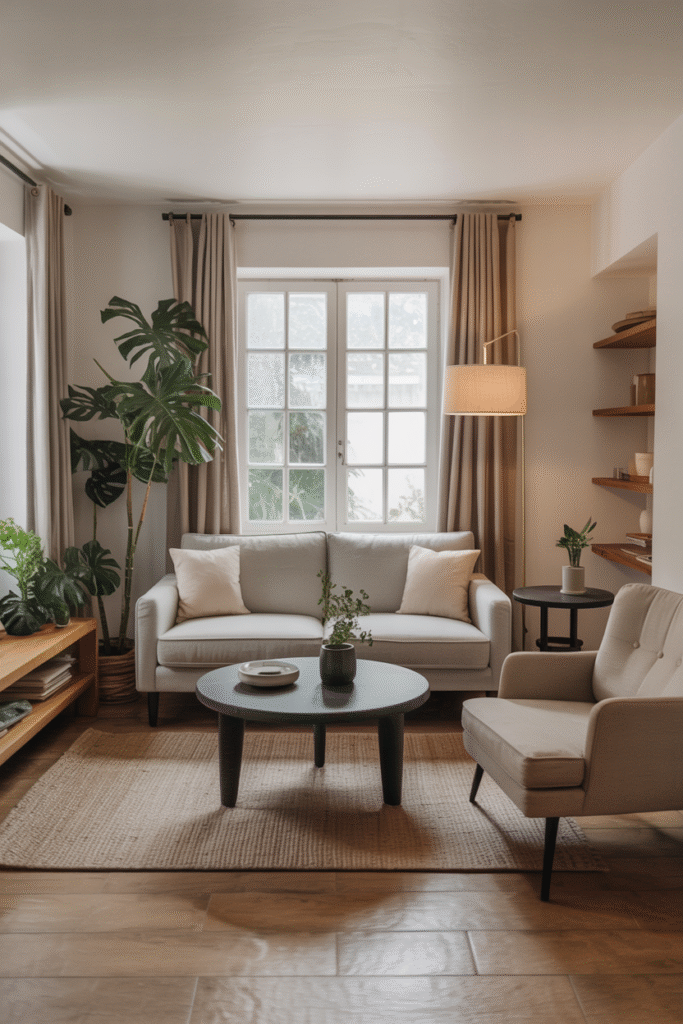
A common small-space mistake? Going too small. Tiny furniture might sound logical, but it often makes a room feel disjointed and uncomfortable.
Instead, aim for proportional balance. One medium-sized sofa can look cleaner than three tiny chairs. Use a slim-profile couch, a compact armchair, or a round coffee table to soften corners and improve flow.
Keep a sense of visual harmony — nothing should dominate the room, but nothing should feel like it doesn’t belong either.
Why it works: Proper scale keeps the room grounded and cohesive, making it look intentional rather than cramped.
5. Create Defined Zones (Even Without Walls)

In an apartment, your living room might share space with your kitchen or dining area. Defining each zone helps your brain (and guests) feel more organized.
Simple ways to divide space:
- Use an area rug to anchor your seating zone.
- Add a console table or low bookcase behind the sofa as a soft “divider.”
- Use lighting strategically — a pendant above your table and a floor lamp in the lounge area.
This visual separation adds rhythm and flow, making your home feel structured — not like one big multipurpose box.
6. Mirror, Mirror on the Wall — The Old Trick Still Works
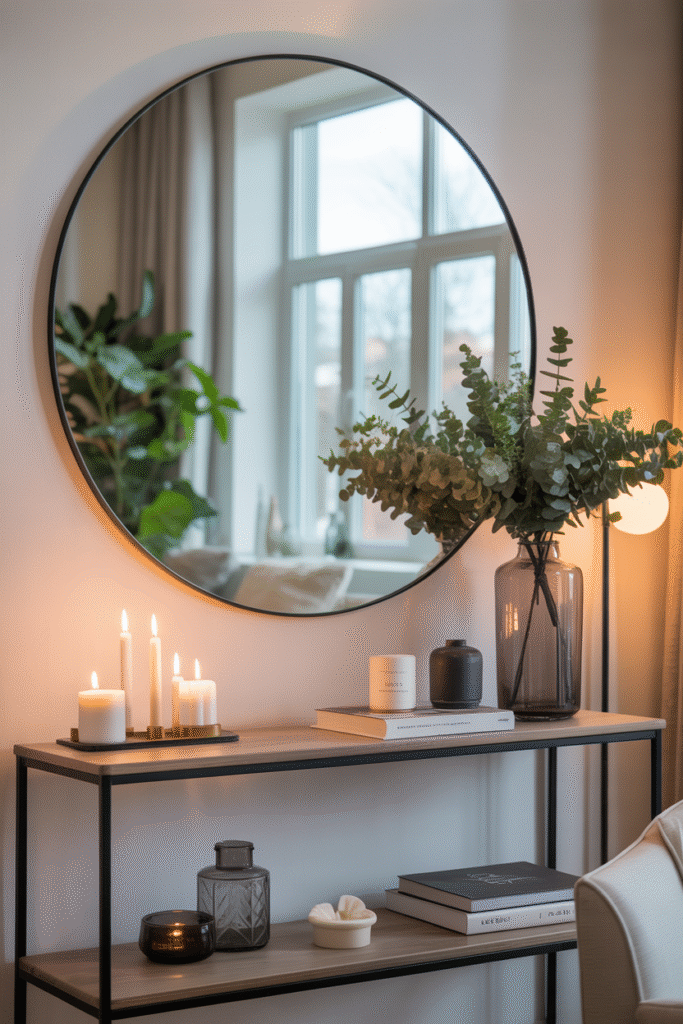
There’s a reason designers swear by mirrors. They reflect light, open up sight lines, and double the perceived space.
For maximum effect:
- Hang a large mirror opposite a window to amplify natural light.
- Try a gallery wall of smaller mirrors for an artsy, playful vibe.
- Use a mirrored side table or decor piece to subtly enhance brightness.
The key is placement. Mirrors work best when they reflect something worth seeing — a window, artwork, or your favorite plant corner.
Bonus Tip: Avoid placing mirrors where they reflect clutter. The goal is expansion, not repetition of mess.
7. Play with Light Layers, Not Just Brightness
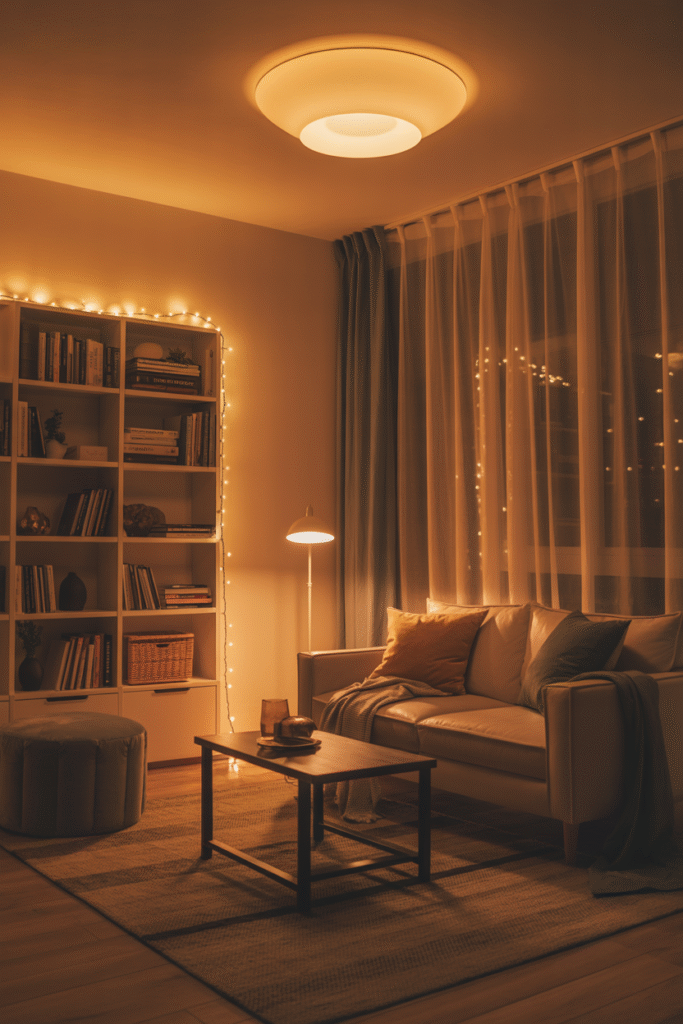
Lighting can make or break a small room. Instead of relying on one overhead fixture, layer your lighting to create depth and mood.
Here’s a formula that always works:
- Ambient lighting: Ceiling or flush mounts for general brightness.
- Task lighting: A floor or table lamp near seating for reading or working.
- Accent lighting: String lights, LED strips, or wall sconces for cozy evening vibes.
Dimmer switches are a small investment that dramatically improves versatility — letting you shift from “work-from-home” mode to “movie night” mood in seconds.
8. Add Personality Through Art and Decor (Strategically)
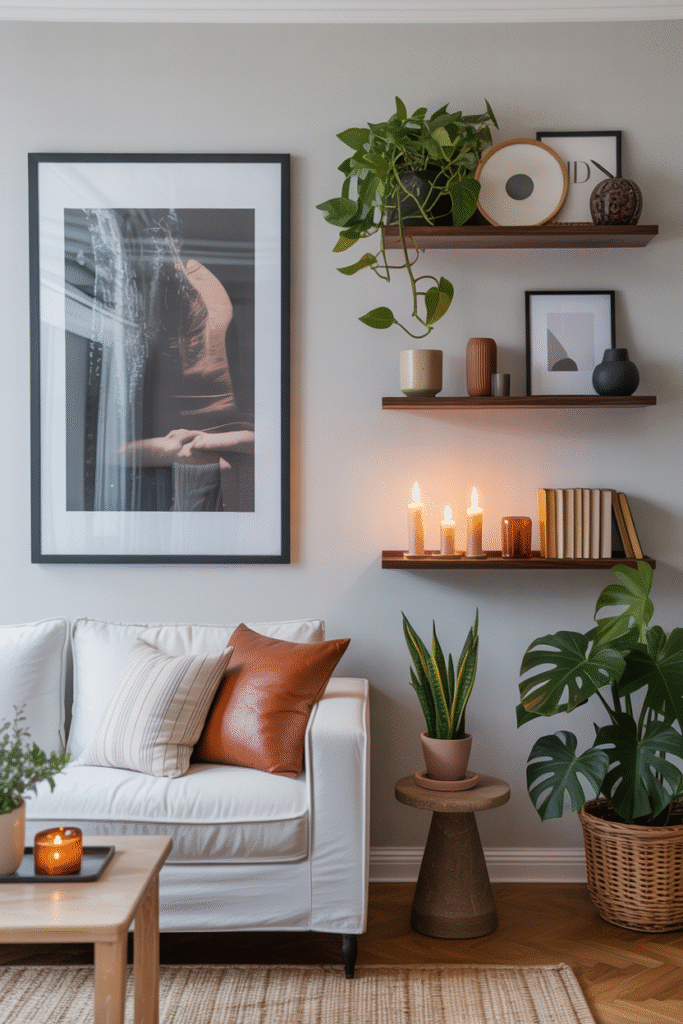
Small doesn’t mean boring. Your living room still deserves personality — it just needs to be curated, not cluttered.
Instead of filling every wall, focus on one statement piece: a large framed print, an abstract canvas, or even a textile wall hanging. It draws the eye upward and gives the room a focal point.
When accessorizing shelves or coffee tables, use the rule of three — group items in varying heights (like a candle, book, and small vase). It looks polished without feeling busy.
Pro Tip: Incorporate plants. Even one tall indoor tree or a few trailing vines bring life, color, and freshness without taking up much space.
9. Maximize Hidden Storage
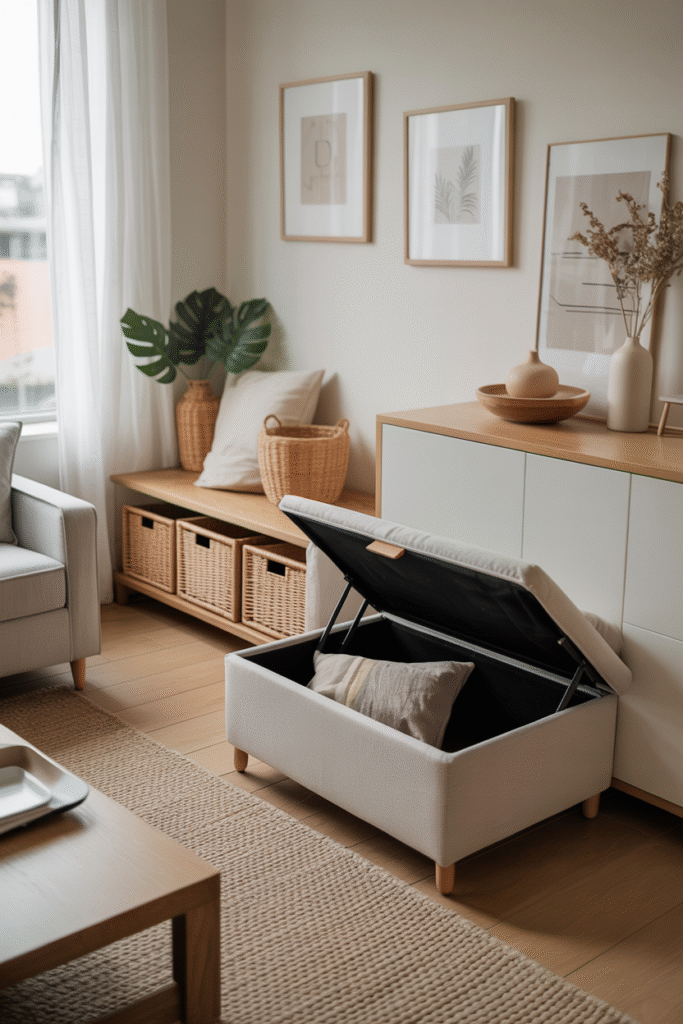
Let’s be honest — small living rooms can quickly turn into clutter traps. The secret to keeping them serene? Hidden storage that blends with your decor.
Ideas that actually work:
- Under-sofa drawers or baskets for throws and magazines.
- Built-in benches with lift-up lids.
- Wall-mounted cabinets that double as art ledges.
Even everyday objects can multitask — think decorative boxes that hide chargers, or side tables with secret compartments.
Why it’s genius: You maintain the illusion of simplicity while keeping real-life mess out of sight.
10. Use Smart Styling Tricks to Expand Visual Space
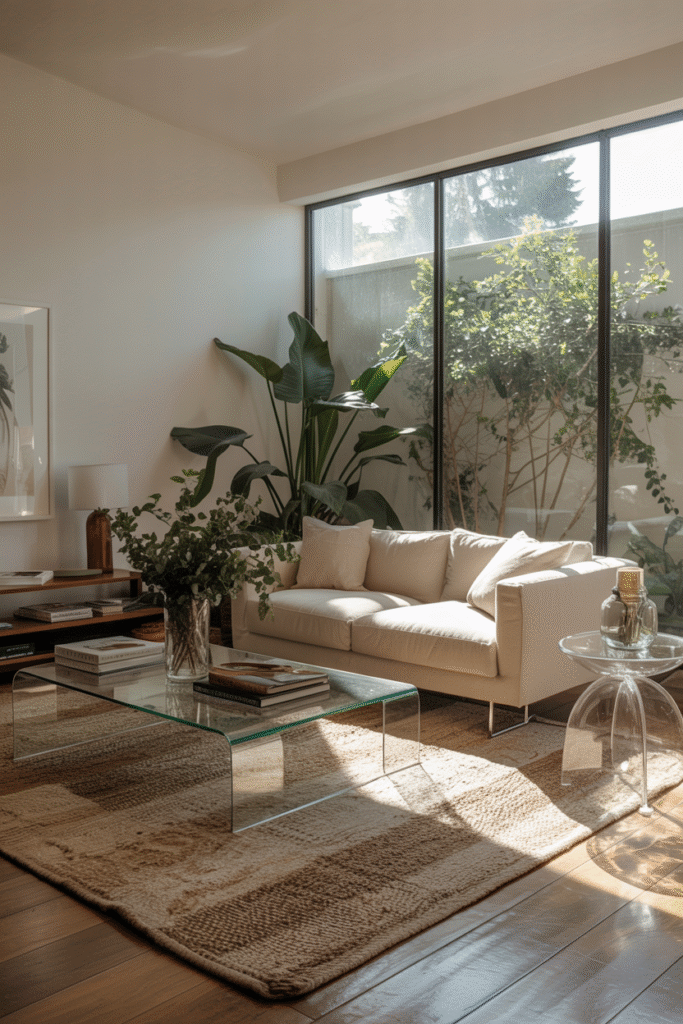
Some design moves are pure magic — simple, affordable, and incredibly effective in a small room.
Try these optical illusions:
- Keep furniture legs visible: Exposed legs create a lighter, airier look.
- Match your rug to your floor tone: This continuity makes the room feel bigger.
- Stick to low-profile furniture: Sofas and chairs with lower backs make ceilings feel higher.
- Use transparent materials: Glass or acrylic tables visually “disappear,” freeing up sight lines.
These design choices might seem subtle, but they add up. The more uninterrupted space the eye sees, the larger your living room feels.
Bonus Idea: Curate Your “Signature Spot”
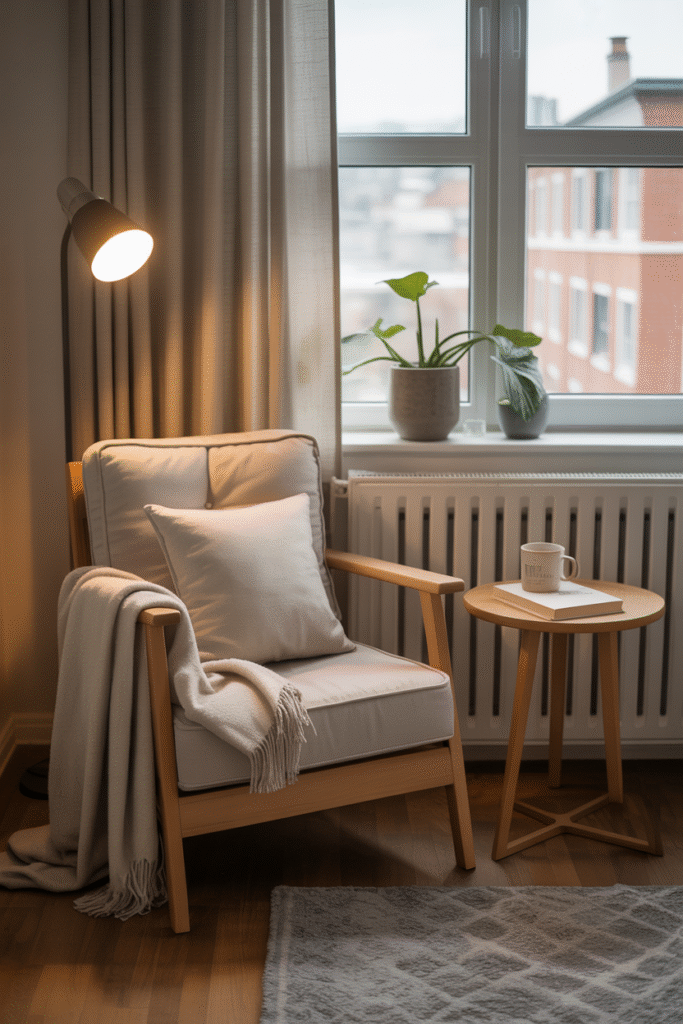
Every apartment needs a moment — a cozy corner, a statement shelf, or a window nook that feels personal. It doesn’t have to be big, just intentional.
Add a small chair, a floor lamp, and a plant or stack of books. Suddenly, you have a micro-sanctuary — a space that feels “yours,” even in a compact home.
Why it matters: When your living room reflects who you are, it feels less like a limitation and more like a well-loved retreat.
Your Small Living Room, Reimagined
Designing a small apartment living room isn’t about cramming in less — it’s about making space work harder and look better. By choosing furniture wisely, using vertical storage, and mastering light and texture, you can create a room that feels open, functional, and inviting.
Because when your space truly fits your life — no matter the size — it’s not just smart design. It’s freedom, comfort, and creativity living together beautifully.
Other Articles
No Comment! Be the first one.