


10 Creative Mirror Frame Ideas
A mirror frame does more than hold glass in place. It sets the tone, adds personality, and often becomes the detail people remember most. Creative mirror frames turn an everyday object into a design statement, whether you want something playful, artistic, natural, or bold.
The ideas in this article focus on frames that change how a mirror feels in a room. Each one offers a different way to add character, depth, or energy without redoing the entire space.
Seashell and Pearl Statement Frame
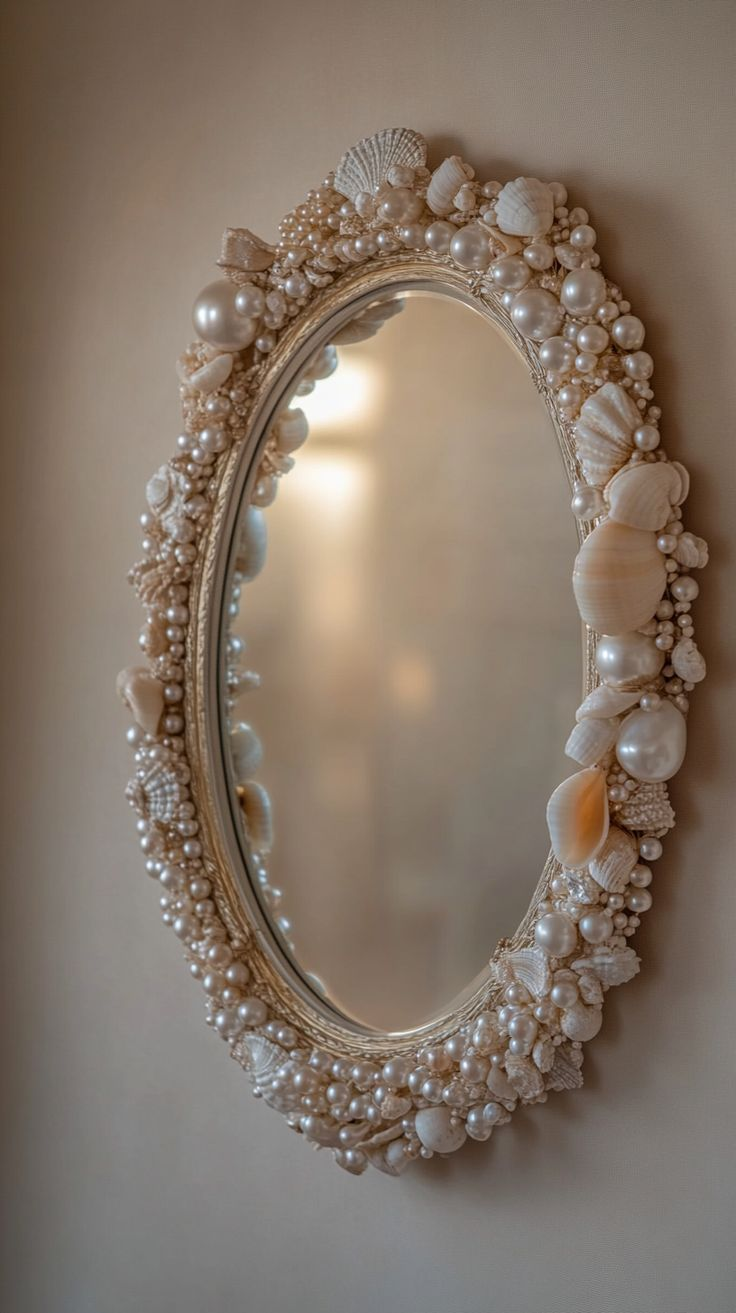
This idea turns a plain mirror into a decorative focal point using layered textures and soft, natural tones. It works especially well when you want the mirror to feel like an object, not just a utility.
The strength of this style is contrast. Smooth reflective glass sits inside an irregular, tactile border. That contrast adds depth and makes the mirror feel intentional, even in a simple room.
This approach fits spaces that lean calm and personal rather than sharp or modern. It’s a good choice when you want warmth, detail, and a sense of craftsmanship without using bold colors.
Floral Ring Frame for a Soft Accent
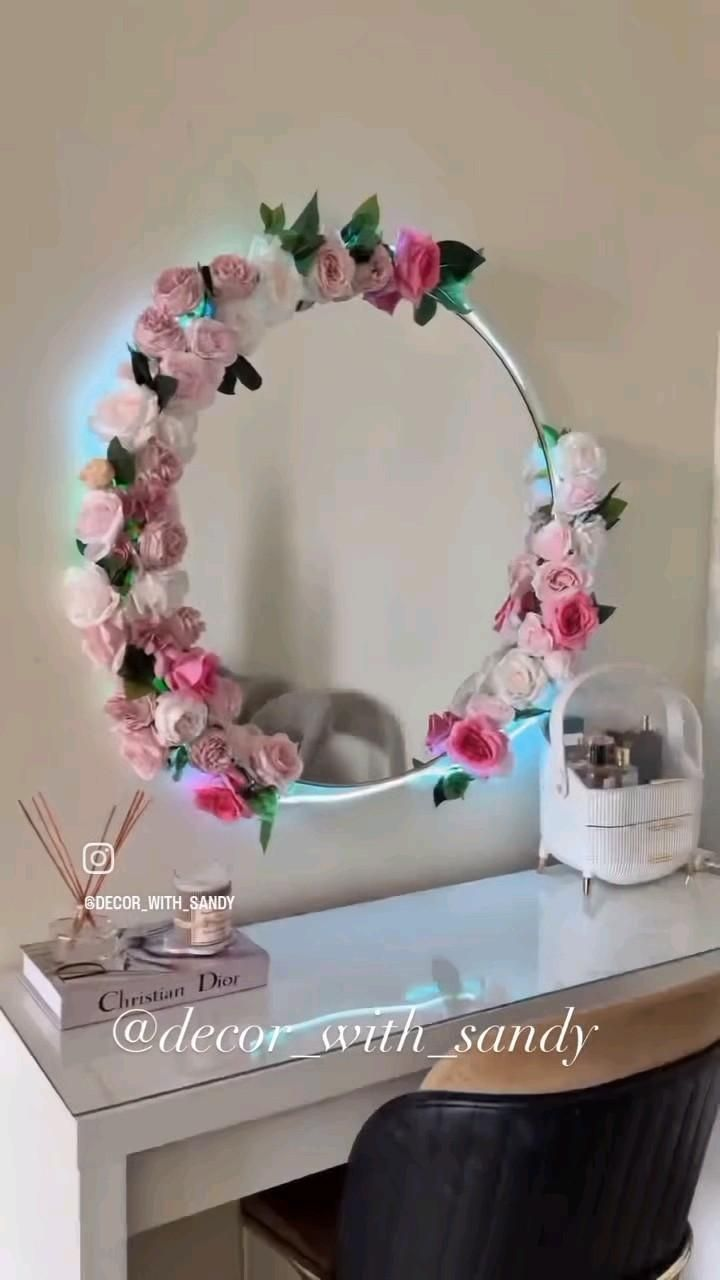
This idea wraps the mirror in a gentle, decorative layer that feels personal and expressive. It’s ideal when you want the mirror to contribute to the mood of the room, not just reflect it.
The appeal comes from softness and rhythm. Repeating shapes around the edge create balance, while variation keeps it from feeling stiff or overly planned. The result feels curated but relaxed.
This style works best in spaces meant for getting ready or winding down. It adds charm without demanding attention and pairs well with simple furniture that lets the frame stand out quietly.
Melting Frame for an Artistic Edge
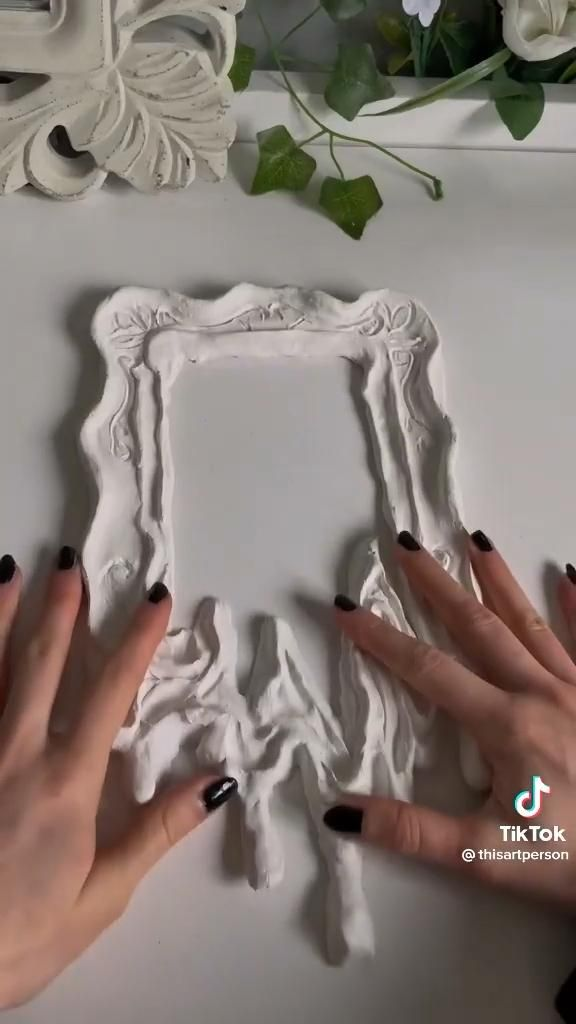
This idea breaks away from clean lines and embraces movement. The frame looks fluid and imperfect, which instantly turns the mirror into a conversation piece rather than a background item.
What makes this work is tension. A familiar object is reshaped in an unexpected way, creating visual interest without needing color or added decoration. It feels expressive and intentional, not messy.
This style suits creative spaces or modern interiors that lean bold. It’s best used sparingly so the mirror keeps its impact and doesn’t compete with other strong elements.
Color-Blocked Flower Frame for Playful Energy
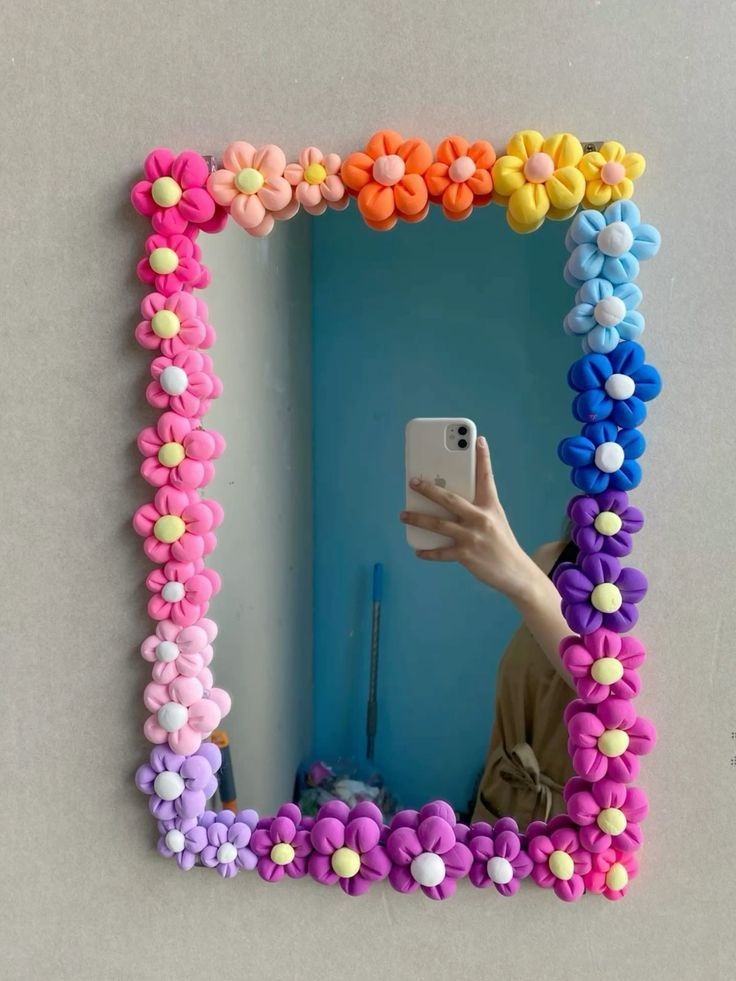
This idea uses bold color repetition to turn the mirror into a cheerful design element. It instantly changes the tone of a space and makes the mirror feel fun instead of functional.
The key strength here is structure. Even with many colors, the clear border keeps everything organized, so the result feels intentional rather than chaotic. It’s lively without being overwhelming.
This style works best in creative rooms, kids’ spaces, or anywhere that needs personality. It’s an easy way to add color when the rest of the room stays neutral.
Living Moss Frame for a Natural Statement
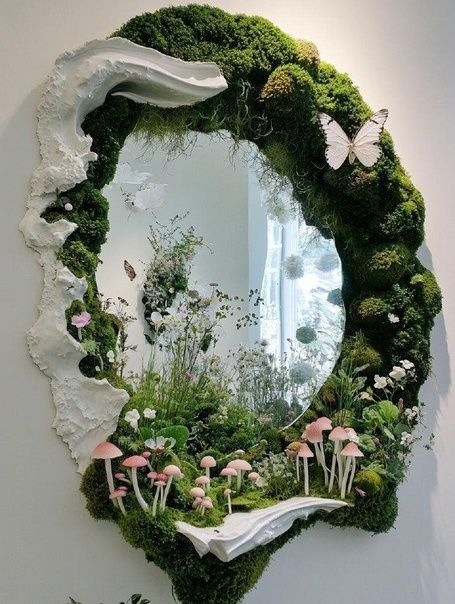
This idea turns the mirror into a piece of nature-inspired decor that feels immersive and calming. It’s designed to blur the line between interior space and the outdoors.
What makes this approach stand out is depth. Layered textures create a sense of dimension, so the mirror feels framed by an environment rather than a border. It draws attention without relying on shine or color.
This style suits spaces where calm and creativity matter most. It works well as a focal point and pairs best with simple surroundings that let the frame breathe.
Rope-Wrapped Frame for Warm Texture

This idea uses natural fiber to give the mirror a grounded, tactile feel. It adds warmth instantly and makes the mirror feel more connected to the space around it.
The appeal comes from repetition and softness. Rounded forms break the sharpness of the mirror edge, while the material keeps everything relaxed and approachable. It feels handmade without looking rough.
This style fits homes that lean cozy or organic. It works especially well when the room already uses natural materials and neutral tones.
Hand-Painted Frame for a Custom Look
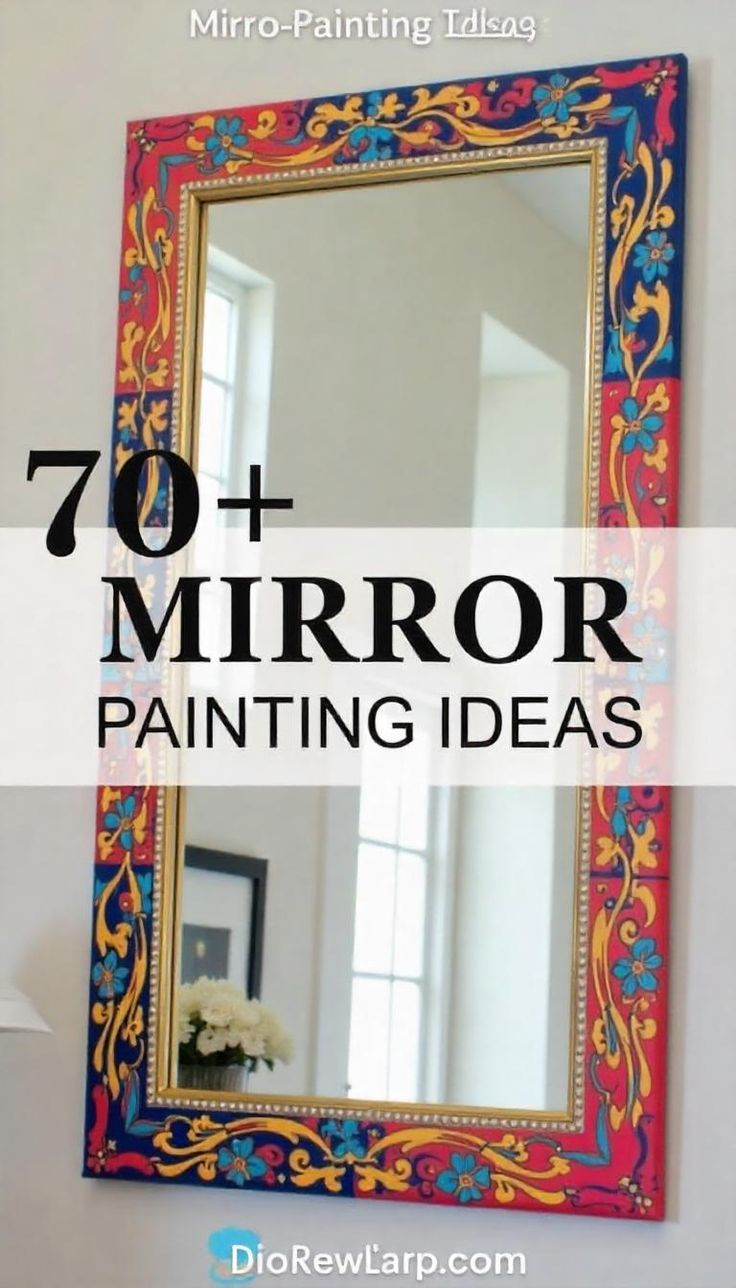
This idea transforms a standard mirror into a personal design piece through color and pattern. It’s ideal when you want something unique that doesn’t look store-bought.
The value here is control. Paint allows you to match the mirror to your space exactly, whether you want bold contrast or subtle harmony. Patterns add character without changing the mirror’s shape.
This style works best when the room needs a focal detail. It’s especially effective in eclectic or artistic spaces where personality matters more than uniformity.
Sunburst Wire Frame for Sculptural Impact
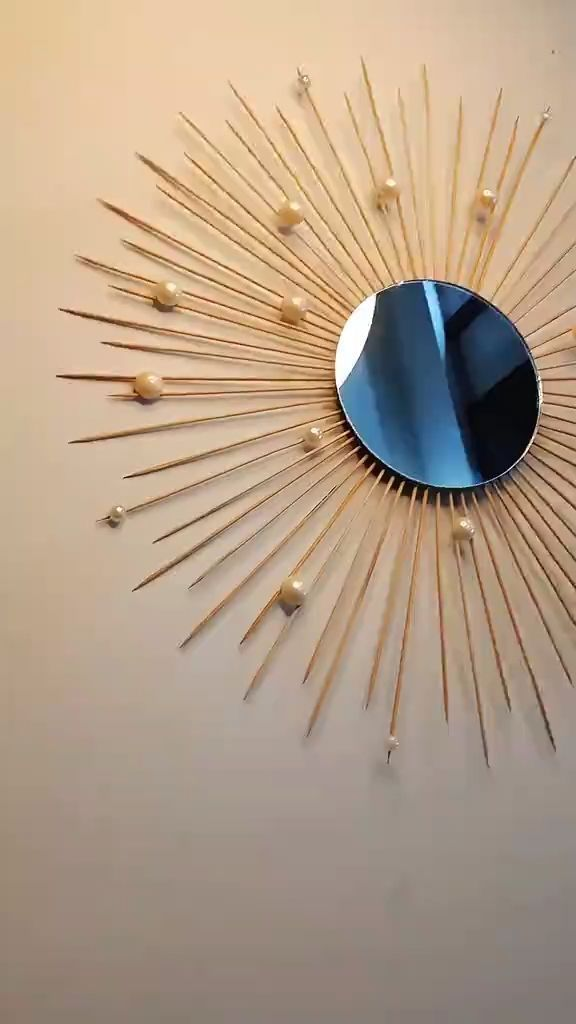
This idea uses radiating lines to turn the mirror into a bold wall feature. It adds energy and movement, making the mirror feel more like art than decor.
The strength of this style is balance. A small central mirror keeps the design grounded, while the outward structure creates drama without clutter. It draws the eye instantly.
This approach works best on empty walls that need structure. It suits modern or mid-century spaces where clean shapes and strong silhouettes matter.
Squiggle Frame for Bold Personality

This idea uses flowing, irregular edges to give the mirror a playful, expressive feel. It immediately signals creativity and breaks away from traditional straight lines.
The power of this style comes from motion. Curved borders guide the eye around the mirror, making it feel dynamic even when nothing else changes in the room. Color choices can push it from fun to dramatic fast.
This works best in spaces that embrace individuality. It’s ideal when the mirror is meant to be noticed and enjoyed, not quietly blend in.
Graphic Tile-Pattern Frame for a Retro Feel
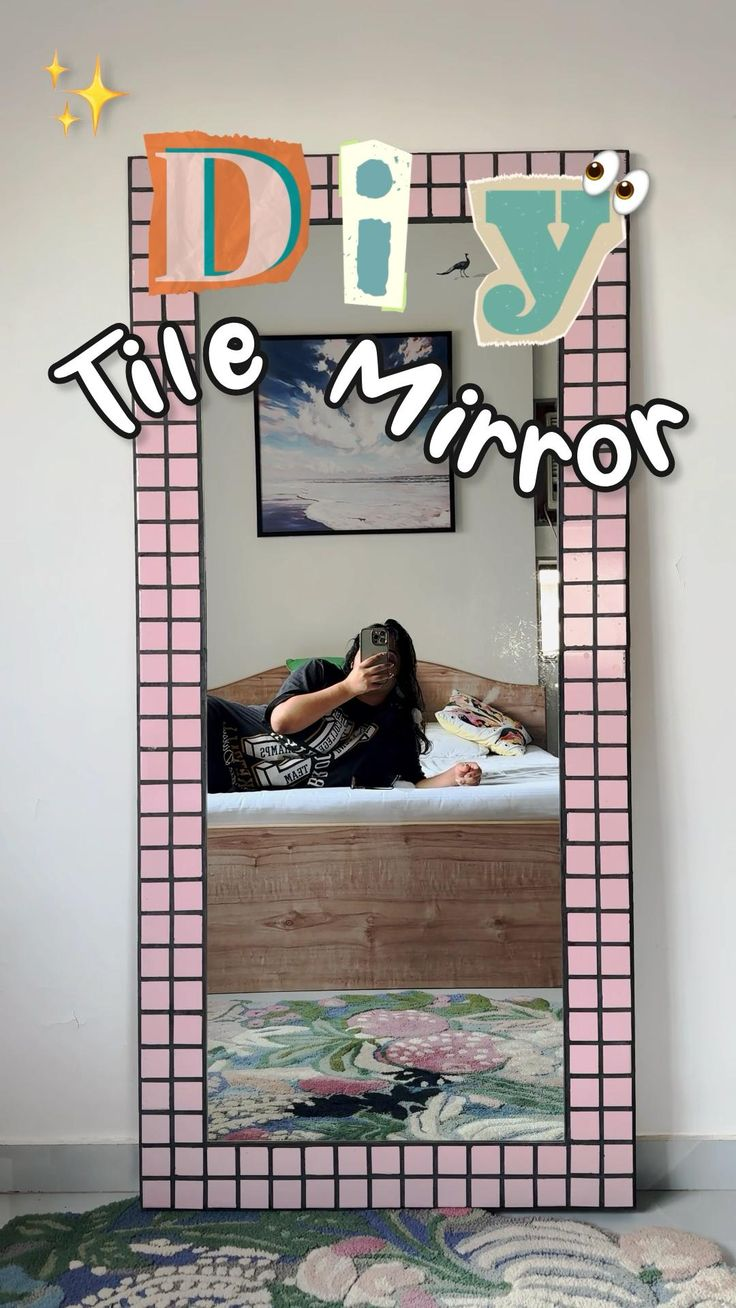
This idea uses a repeating grid pattern to give the mirror a bold, graphic presence. It feels playful and structured at the same time, which makes it easy to style without feeling flat.
The strength here is consistency. Repetition creates rhythm, while color choices control how loud or subtle the mirror feels. The design stays clean even when the look is expressive.
This style works well in bedrooms or creative spaces where personality matters. It adds character without relying on texture or heavy materials.
How to choose the right mirror frame idea for your space
Start with the role you want the mirror to play. If the room already has strong furniture or patterns, the frame should support that instead of competing with it. In quieter spaces, the frame can take the lead and become the main visual interest.
Scale matters more than people expect. A bold frame needs breathing room, while a subtle one can work in tighter areas. Always think about wall space first, then style.
Also consider how long you want to live with it. Highly expressive designs feel exciting, but calmer ideas age more easily if you plan to keep the mirror for years.
DIY vs ready-made creative frames
DIY frames give you freedom. You control color, texture, and detail, which makes the result feel personal. They’re ideal if you enjoy hands-on projects or want something truly one of a kind.
Ready-made frames save time and usually offer better durability. They work well when you want a polished finish or don’t want to experiment with materials and tools.
The decision comes down to effort versus control. If the process excites you, DIY is worth it. If the result matters more than the journey, ready-made is the safer option.
Where creative mirror frames work best at home
Creative frames shine most in spaces where personality matters. Bedrooms, dressing areas, hallways, and entryways are strong choices because the mirror naturally draws attention there.
They also work well on empty walls that feel unfinished. A framed mirror can replace wall art while still serving a practical purpose.
In high-traffic areas, durability matters. Softer or highly textured frames work better in calmer rooms where they won’t be bumped or damaged.
How bold frames change room perception
Bold frames shift focus instantly. They pull attention toward the mirror and make the surrounding area feel more intentional. This can make a room feel styled even if everything else stays simple.
They also influence mood. Organic shapes soften a space, graphic patterns add energy, and sculptural designs create drama. The frame sets the emotional tone before anything else does.
Used carefully, bold frames make rooms feel designed rather than decorated. Used too often, they compete. One strong frame is usually enough to make the point.
Conclusion
Creative mirror frames give you control over mood and style in a very direct way. A single frame can soften a room, energize it, or make it feel more personal without major changes.
The best choice is the one that fits how you want the space to feel when you walk into it. When the frame matches that intention, the mirror stops being background decor and starts working as part of the design.
Other Articles

7 Smart Tricks Everyone’s Using to Work Less (But Get More Done)
10 Handmade Mirror Frame Ideas
No Comment! Be the first one.